Article Number
27
relevantdate

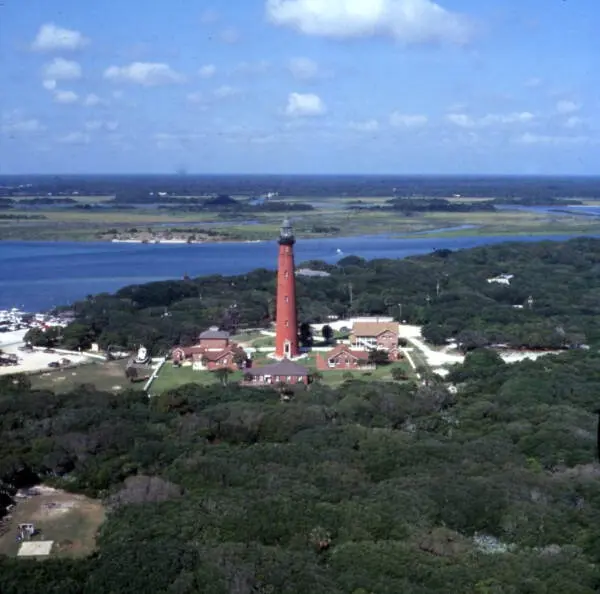
    At 175 feet, the Ponce Inlet Lighthouse is the tallest lighthouse in Florida.

    In the United States, only North Carolina’s Cape Hatteras Lighthouse and Virginia’s Cape Charles Lighthouse are taller.

    Many people who brave the 203 steps to get to the top of the structure have a more difficult time coming down than going up.

    “We have to talk them down. Some people come down backwards on the stairway. Some come down on the seat of their pants. It’s quite a sight to see,” says Bob Callister, programs manager for the Ponce Inlet Light Station. “Most people really enjoy, once they get up to the top and feel the cool air and see the beautiful view.”

    On a clear day, you can see all the way to the Cape Canaveral Lighthouse.

    Ponce de León Inlet, popularly known as Ponce Inlet, was known as Mosquito Inlet when the red brick lighthouse was first constructed in 1835. When the Second Seminole War started later that year, the lighthouse was attacked before the lamp could be lit. The Seminoles destroyed the glass lantern and burned the structure’s wooden stairs. The threat of further attacks prevented repairs from being made, and the lighthouse collapsed in 1836.

    Many shipwrecks occurred along the shoreline south of Daytona Beach, but construction did not begin on a new lighthouse at Mosquito Inlet until 1883. On November 1, 1887, Russian immigrant and Confederate war veteran William Rowlinski lit the lighthouse lamp for the first time. The light could be seen by ships 20 miles from shore.

    The Ponce Inlet Lighthouse helped to save the life of writer and journalist Stephen Crane in 1897. Crane was aboard the SS Commodore on his way to cover the pending revolt in Cuba when the ship sank off of Florida’s east coast. Crane and several crewmen escaped in a small dinghy and followed the signal from the lighthouse to safety after several days at sea.

    Crane, best known for his Civil War novel “The Red Badge of Courage,” wrote about his harrowing shipwreck experience in the short story “The Open Boat.”

    The lighthouse signal that saved Crane and his companions was lit by kerosene. That lamp was replaced with an incandescent oil vapor lamp in 1909. An electrified 500-watt lamp was installed in 1933. At the same time, the lens that provided a steady beam of light was replaced with a rotating lens. An extensive collection of restored lighthouse lenses is displayed at the Ponce Inlet Light Station, including the 1860 rotating first order Frensel lens from the Cape Canaveral Lighthouse.

    The name of Mosquito Inlet was changed to Ponce de León Inlet in 1927. From 1939 until 1970, the Coast Guard operated the Ponce Inlet Light Station. In 1972, the Lighthouse Preservation Association was formed to restore and operate the complex and the lighthouse was placed on the National Register of Historic Places.

    In 1998, the Ponce Inlet Lighthouse became one of only ten lighthouses to be designated as a National Historic Landmark.

    Today, the Ponce Inlet Light Station includes eight of the original 1887 buildings from the site, including the lighthouse. Three buildings that were used as houses for the lighthouse keeper and his family are now home to exhibits. The displays focus on local history and demonstrate what life was like in the 1800s.

    “It’s probably the most complete, restored light station in the United States,” says Bob Callister. “We have had a lot of people here over the years who have commented on how beautifully the buildings are restored, how beautiful the gardens are kept.”

    The Ponce Inlet Lighthouse and Museum is open to the public every day except Thanksgiving and Christmas. The complex is open from 10:00 am until 9:00 pm throughout the summer, and from 10:00 am to 6:00 pm from September 2 through May 25.

    You can celebrate National Lighthouse Day on Thursday, August 7, by visiting the Ponce Inlet Lighthouse, touring the museum, and participating in special activities for all ages.

    If you’re brave enough, you can climb the 203 steps to the top of the lighthouse to enjoy the bird’s-eye view. Just remember that old saying, “what goes up, must come down.”

    Dr. Ben Brotemarkle is executive director of the Florida Historical Society and host of the radio program “Florida Frontiers,” broadcast locally on 90.7 WMFE Thursday evenings at 6:30 and Sunday afternoons at 4:00, and on 89.5 WFIT Sunday mornings at 7:00. The show can be heard online at myfloridahistory.org.
    PDF file(s)
    Article Number
    26
    relevantdate

      “Imitation is the sincerest form of flattery.”

      No, this is not a quote from Ernest Hemingway. That aphorism is from late 18th and early 19th century English cleric Charles Caleb Colton, but it does reflect the spirit of the Hemingway Days celebration.

      For the past week, the 34th Annual Hemingway Days Festival has been held in Key West, with a “Hemingway in Key West” exhibit at the Custom House Museum, a Marlin Fishing Tournament, an evening of readings and presentations by local authors, a Caribbean Street Fair, an arm wrestling championship, a unique “bull run,” and other events.

      The winners of the Hemingway Short Story Competition are announced, and more than $120,000 is raised for nursing, poetry, and journalism scholarships in memory of writer Ernest Hemingway.

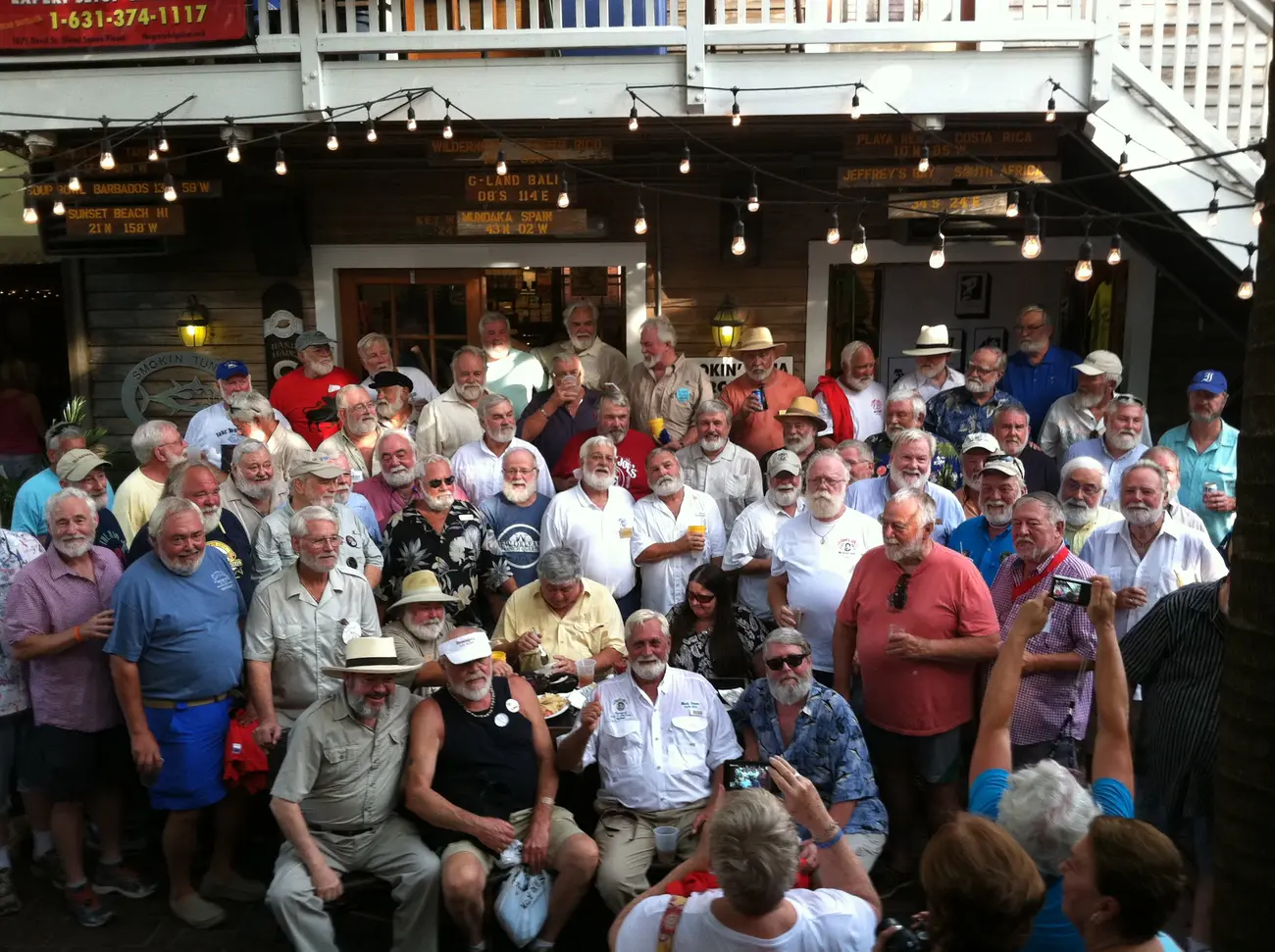
      The focal point of the annual celebration is the Sloppy Joe’s “Papa” Hemingway Look-Alike Contest. Prior to the festivities, dozens of finalists are selected from hundreds of applicants, nearly all of whom have white hair and matching beards. Through a series of eliminations before rowdy crowds at Hemingway’s old watering hole, Sloppy Joe’s, a single winner is selected.

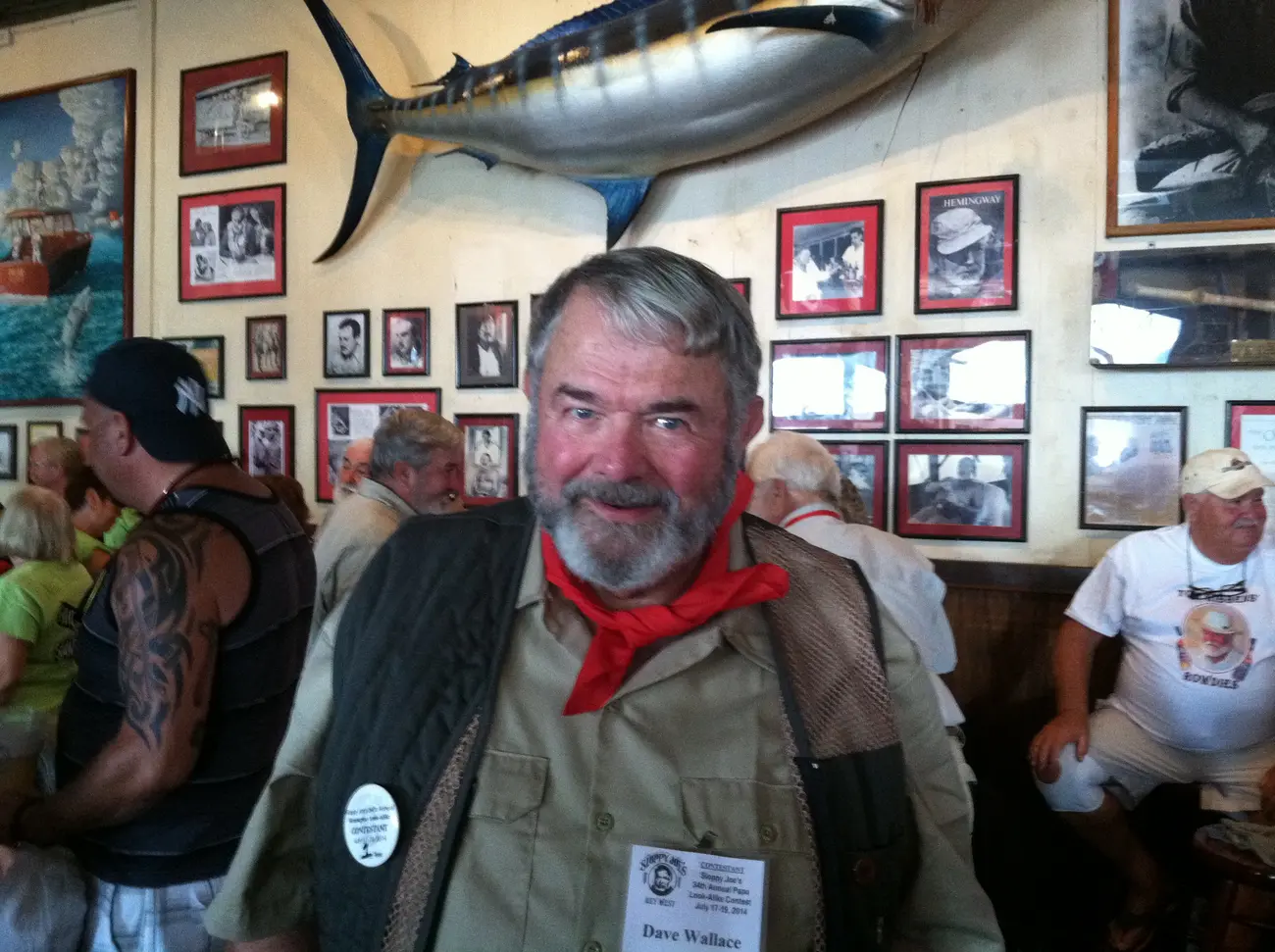
      Melbourne resident Dave Wallace, who says he has always admired Hemingway, was one of the selected finalists this year. “I’ve met several people from New Orleans, from Pennsylvania, from New York, Ohio, and one from Palm Bay. When I tell people I’m from Melbourne they say ‘Australia?’ Apparently there are people who have traveled from all over the world to be here.”

      While this year’s competition is the first for Dave Wallace, Melbourne resident Hank Wielgosz has been participating in the Ernest Hemingway Look-Alike Contest for 21 years and has been a finalist 11 times. This year was the first time Wielgosz moved forward in the competition beyond the first round of eliminations, and he was presented with a special recognition, the Jean “John” Klausing Memorial Award, named for the late owner of Sloppy Joe’s.

      “The John Klausing Award means more,” than the contest Wielgosz says, “because it came from the original manager’s wife and that’s a great connection. We’ve met a lot of the folks who work here and we’ve had a great time with all of them.”

      Known for his concise and direct writing style, Ernest Hemingway received the Nobel Prize for Literature in 1954, following the publication of his novel “The Old Man and the Sea.” After completing his service as an ambulance driver in World War I, Hemingway worked as a foreign correspondent in Paris. His first novel “The Sun Also Rises” was published in 1926, when Hemingway was 27. In 1927, Hemingway divorced his first wife Hadley Richardson, and married Pauline Pfieffer.

      Ernest Hemingway first came to Key West in 1928, and returned several times over the next couple of years, primarily for fishing trips that would sometimes last months. He would bring other writers with him on these trips, including John Dos Passos and F. Scott Fitzgerald.

      In 1931, Hemingway and his wife Pauline bought what is still the largest residential property on the island, where they lived together until 1939. Dave Gonzales, Events Coordinator for the Hemingway House and Museum, says that Hemingway was more productive in Key West than anywhere else.

      “This was his first writing studio, the secondary building in the rear of the main mansion. Prior to this time he wrote on table tops, bar counter tops, kitchen tops, coffee tables, wherever he could find a smooth surface to write.”

      While living in Key West, Hemingway wrote the novel “To Have and Have Not,” the non-fiction book “Green Hills of Africa,” and the short stories “The Snows of Kilimanjaro” and “The Short Happy Life of Francis Macomber.”

      Most of the participants in the Ernest Hemingway Look-Alike Contest are not that concerned about who actually wins.

      “They say that for us 45 first timers, it’s difficult to win your first time,” says Dave Wallace. Contest veteran Hank Wielgosz says, “It’s like a club. This is the only time we see a lot of these people and they’re all interesting guys,” adding that “it’s just fun participating.”

      As Ernest Hemingway said, “When you stop doing things for fun you might as well be dead.”

      Dr. Ben Brotemarkle is executive director of the Florida Historical Society and host of the radio program “Florida Frontiers,” broadcast locally on 90.7 WMFE Thursday evenings at 6:30 and Sunday afternoons at 4:00, and on 89.5 WFIT Sunday mornings at 7:00. The show can be heard online at myfloridahistory.org.
      PDF file(s)
      Article Number
      25
      relevantdate

        Forty-five years ago this week, the flight of Apollo 11 changed the course of human history.

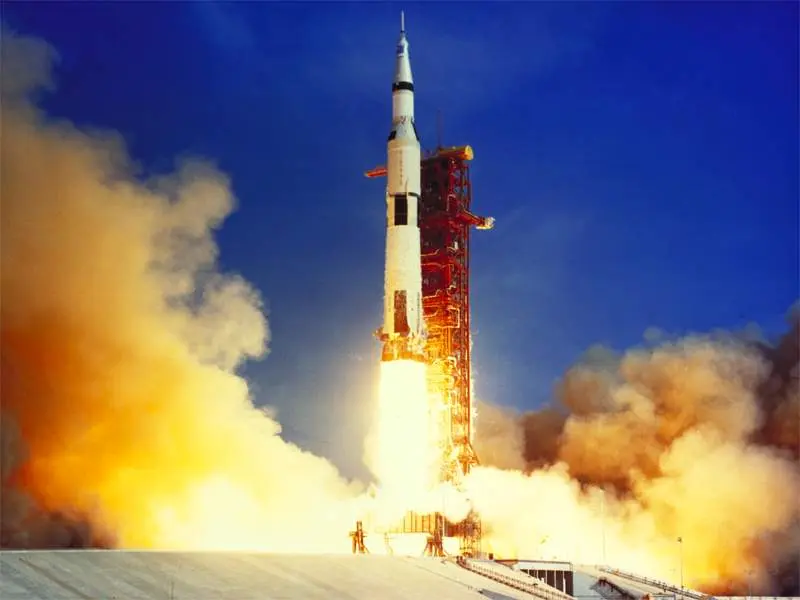
        On July 16, 1969, a Saturn V rocket launched from the Kennedy Space Center carrying astronauts Neil A. Armstrong, Michael Collins, and Edwin E. “Buzz” Aldrin Jr. into space. Four days later, Neil Armstrong, closely followed by Buzz Aldrin, left the lunar module Eagle and walked on the surface of the moon.

        Historians, humanities scholars, and sociologists say that the moment Neil Armstrong set foot on the moon, the Modern Era ended and the Post-Modern Age began.

        With the words “It’s one small step for man, one giant leap for mankind,” Armstrong moved us all from an era that began with the European Renaissance of the 1400s into a future we are still creating.

        Florida history encompasses the “bookends” of the Modern Era, with Spanish exploration and colonization of the New World on one end, and the launch of humans to the surface of the moon on the other. Like all of America’s manned missions into space, the Apollo 11 flight was launched from Cape Canaveral (known as Cape Kennedy from 1963 to 1973), which is also the oldest North American place name to appear on a European map.

        The Apollo mission was the fifth manned launch into space, but was the first to bring human beings to the surface of the moon. That goal was established by President John F. Kennedy on May 25, 1961, when he announced, “I believe that this nation should commit itself to achieving the goal, before this decade is out, of landing a man on the moon and returning him safely to the earth.”

        Although President Kennedy would not live to see his dream fulfilled, the workers at the Kennedy Space Center made it happen with five months to spare.

        “It is estimated that between 750,000 and 1,000,000 people came to visit Brevard County to see this historic launch,” says Lisa Malone, Director of Public Affairs for NASA, adding that U.S. 1 and surrounding roadways were filled with people, and that the Indian River was packed with boaters waiting to see the launch. “Everyone all over the world stopped to see what was going on down here at Kennedy Space Center.”

        Like many current NASA employees, Lisa Malone is a descendant of an Apollo program worker. Her father Joe Malone led a team of NASA draftsmen.

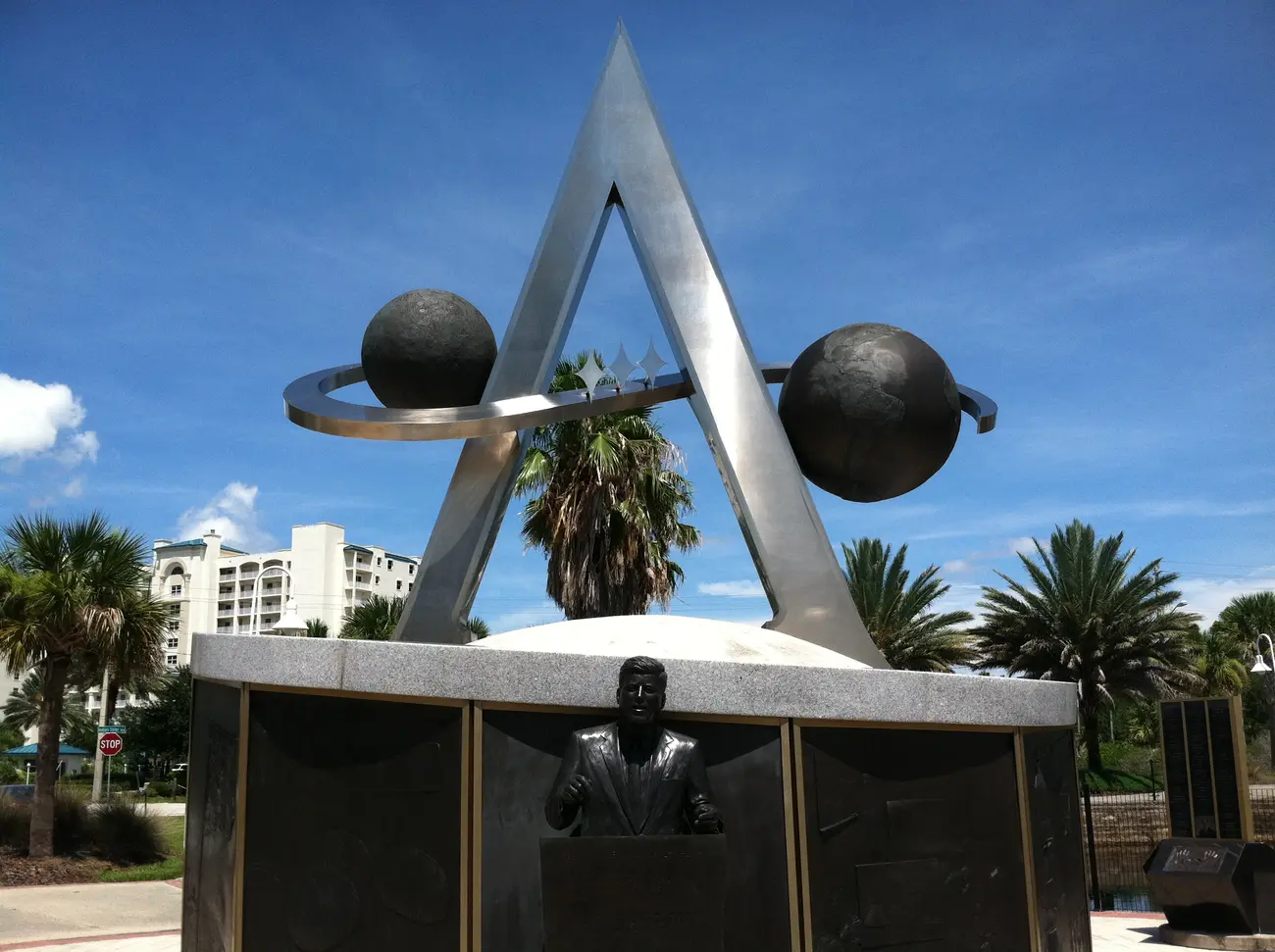
        On the fortieth anniversary of the Apollo 11 mission, a monument to the Apollo program was unveiled at Space View Park in Titusville. Sculptor Sandra Storm created the Apollo monument. Her other work includes the Harry T. and Harriette V. Moore memorial in Viera, a religious sculpture in Kansas, and a World War II monument in Kissimmee.

        “For any sculptor to be able to do a monument of such an important event in history is just incredible,” says Storm.

        It took longer to conceptualize, design, and create the elaborate Apollo monument than it did to bring President Kennedy’s dream of landing a man on the moon to fruition. The monument consists of a huge stainless steel “A” encircled by a bronze earth and moon, 12 bronze panels telling the Apollo program story, and a life-size statue of John F. Kennedy at a podium. Lining the walkway around the monument are pylons featuring the names and hand prints of all the Apollo astronauts.

        Charlie Mars is president of the U.S. Space Walk of Fame Foundation, the group that raised the money to design and build the monuments in Space View Park. Mars was involved in the Apollo program from the early design phase through the last mission as the Lunar Module Chief Project Engineer.

        Mars says that every Apollo program launch was a “tourist attraction,” but that the Apollo 11 mission had a particularly significant impact on the economy of Brevard County. “There’s no telling how many millions of dollars poured into the economy from workers and hotels and restaurants and gift shops and rental cars and airline tickets.”

        As our modern space program is in a relative period of stasis, it is important to remember the remarkable accomplishments of our local NASA pioneers.

        One giant leap for mankind, indeed.

        Dr. Ben Brotemarkle is executive director of the Florida Historical Society and host of the radio program “Florida Frontiers,” broadcast locally on 90.7 WMFE Thursday evenings at 6:30 and Sunday afternoons at 4:00, and on 89.5 WFIT Sunday mornings at 7:00. The show can be heard online at myfloridahistory.org.
        PDF file(s)
        Article Number
        24
        relevantdate

          Doris Leeper was a visionary artist and environmentalist. She was instrumental in the creation of the Canaveral National Seashore, established the Atlantic Center for the Arts in New Smyrna, and was a celebrated sculptor and painter.

          A native of Charlotte, North Carolina, Leeper was born in 1929. She graduated from Duke University in 1951 with a degree in art history. After a decade working as a commercial artist, Leeper focused on her own original pieces.

          Best known for her large-scale, site specific modern sculpture, Leeper quickly gained international recognition. More than 100 of her pieces are displayed by museums, corporations, and private collectors.

          The Doris Leeper sculpture that has probably been seen by the most people is “Steel Quilt,” permanently on display at the Orlando International Airport.

          Her paintings and sculptures have been displayed at the National Museum of Art in Washington, D.C., the John and Mable Ringling Museum of Art in Sarasota, Tennessee’s Hunter Museum, and the Wadsworth Anthenaeum in Hartford, Connecticut.


          Doris Leeper’s great success as an artist was sometimes overshadowed by the role she played in the creation of the Canaveral National Seashore, and her establishment of the Atlantic Center for the Arts. In a 1995 interview, Leeper said, “If I had my druthers, I’d rather be thought of as an artist than someone who came up with a grand idea.”

          Leeper’s ideas were very grand.

          In 1961, Doris Leeper moved to Eldora on the Indian River Lagoon. She became very active in Florida’s environmental movement, fighting to preserve our natural resources. Leeper’s efforts helped lead to Congress declaring the 58,000-acre Canaveral National Seashore an environmentally protected area in 1975.

          Tucked away on 67 acres of pine and palmetto forest just outside of New Smyrna, is the Atlantic Center for the Arts. Since 1982, the center has brought together diverse groups of composers, writers, playwrights, choreographers, and visual artists to work among the trees overlooking the tidal estuary Turnbull Bay.


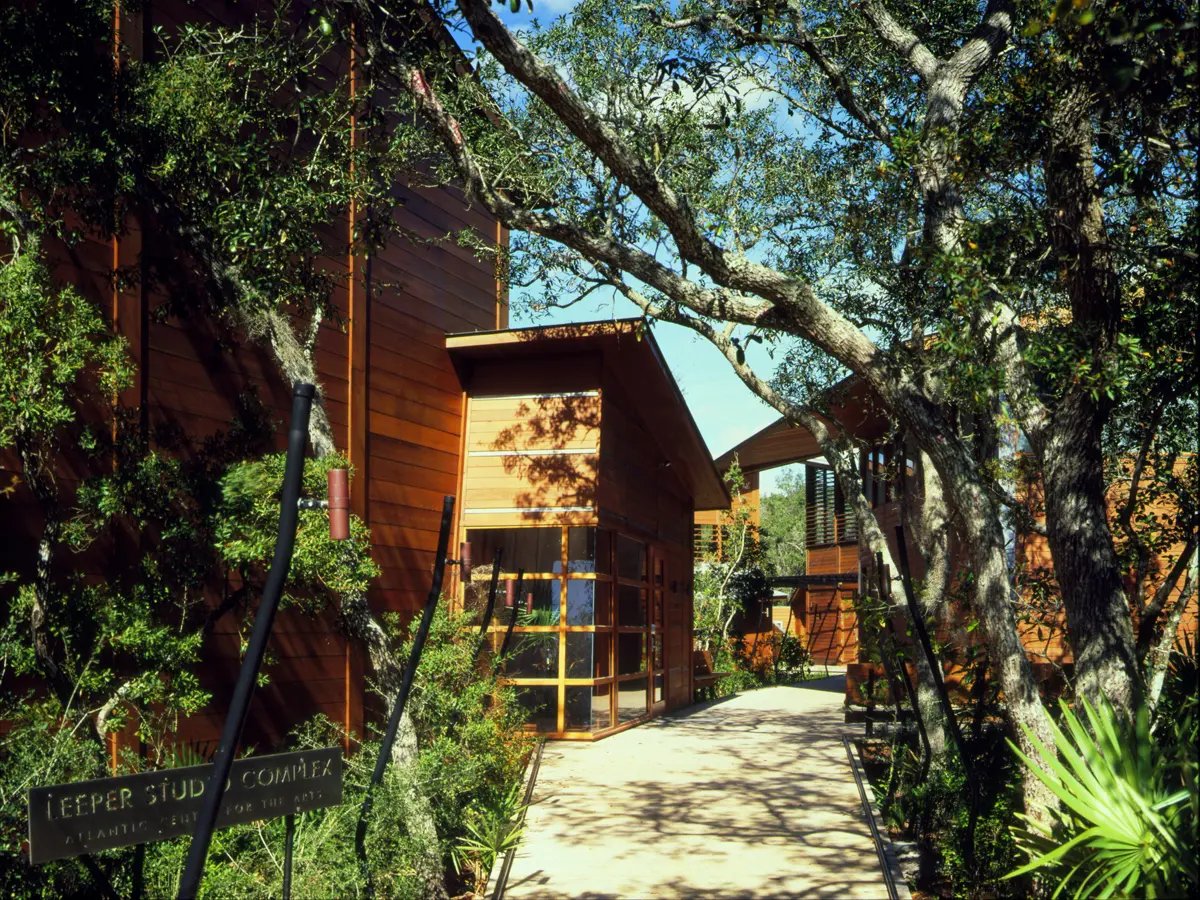
          When Doris Leeper founded the Atlantic Center for the Arts, she made sure that the buildings would not disrupt the natural setting of the site. She confined the facility to 10 acres, and approved a design that blended in with the environment. The wooden studios, galleries, workspace, performance areas, and artist residences are connected with boardwalks winding through the forest.

          “The model for the Atlantic Center in spirit was my place down at Canaveral National Seashore,” Leeper explained. “We said if we could arrange to get some waterfront somewhere, and keep the natural environment, and do everything we could not to disturb the environment, the wonderful sense that I had at my place there could be transferred to the Center, and in fact, that’s what happened.”

          The Master Artist-in-Residence Program at the Atlantic Center for the Arts brings in groups of accomplished artists to mentor and work with selected mid-career artists in their field. The multi-week residency program often results in fascinating collaborations. For example, poets may write verses to accompany an original musical composition that dancers perform to.

          Encouraging multi-disciplinary collaborations was of particular interest to Doris Leeper when she founded the Atlantic Center for the Arts. She was in North Carolina participating in a sculpture residency when inspiration struck.


          “I noticed that around the city some wonderful things were going on in dance, in theater, in visual arts, and so forth,” Leeper said, “but generally speaking they weren’t collaborating certainly, and they hardly knew of each other’s existence. It seemed to me that if all those things could happen in one place, everybody’s creative energy could be shared.”

          For more than three decades, the Atlantic Center for the Arts has hosted a distinguished list of master artists who have worked and collaborated there. They include playwright Edward Albee, composer John Corigliano, United States poet laureate Howard Nemerov, choreographer Trisha Brown, photographer William Wegman, sculptor Duane Hanson, novelist Bebe Moore Campbell, and poet Sonia Sanchez, to name a few.

          Doris Leeper died in 2000, one year after being inducted into the Florida Artists Hall of Fame. Leeper’s creative vision and passion for protecting Florida’s natural environment live on today in her art, the Canaveral National Seashore, and the Atlantic Center for the Arts.


          Dr. Ben Brotemarkle is executive director of the Florida Historical Society and host of the radio program “Florida Frontiers,” broadcast locally on 90.7 WMFE Thursday evenings at 6:30 and Sunday afternoons at 4:00, and on 89.5 WFIT Sunday mornings at 7:00. The show can be heard online at myfloridahistory.org.
          PDF file(s)
          Article Number
          23
          relevantdate

            Every Fourth of July, Floridians celebrate Independence Day with cookouts, hometown parades, and of course, fireworks as America’s victory over the British in the American Revolution is commemorated.

            Not all American colonists supported the war, though. Many remained dedicated to King George III and England. As the American Revolution progressed, these Loyalists became refugees and were forced to flee the colonies.

            From 1763 to 1783, Florida remained under British control; so many Loyalists came here from the American colonies to the north.

            On December 17, 1782, as the end of the American Revolution approached, 16 ships left Charleston, South Carolina bound for the Loyalist port of St. Augustine, Florida. The ships carried hundreds of people, civilian as well as military.

            Just before the ships could make port in St. Augustine, all 16 were lost on December 31, 1782.

            Chuck Meide, director of the Lighthouse Archaeological Maritime Program (LAMP), was determined to find the Loyalist ships that were lost off the coast of St. Augustine in a violent New Year’s Eve storm.

            “The first step is really to try to look at the old historic maps and figure out how the landscape has changed,” Meide says, adding that the St. Augustine inlet “was very notorious for being dangerous for ships and for changing a lot. Every time a storm would come, the channels would shift around. That’s why we have so many shipwrecks, because of the shoals.”

            Today, modern engineering keeps the inlet in place, but historic maps show how the location of the inlet has shifted over time. Meide determined that in the late 1700s, the inlet was about 3 miles south of its present location. That’s where he decided to look for the Loyalist shipwrecks.

            Meide and his team used high-tech equipment such as a magnetometer to search for objects made of metal, and a side-scan sonar that produces an acoustic image of the ocean floor.

            “Basically, it’s like we’re mowing the lawn,” Meide says. “We’re going back and forth and covering an area that we feel is high probability to find shipwreck sites, and it works.”

            When the equipment indicated that a shipwreck might be located at a particular spot, it was time for Chuck Meide to go diving. He says the conditions were difficult to work in because it was “black as midnight down there” and communication with the other archaeologists was impossible. “Imagine if you were doing archaeology on land, gagged and blindfolded.”

            Chuck Meide was working alone in the dark water when he made the first discovery of the expedition. The magnetometer had indicated the presence of metal, so Meide was working with a ten foot pipe jetting water to clear away sand. At first he didn’t feel anything unusual. After a few times sinking the pipe “to the hilt,” Meide hit something hard.

            In quick succession, Meide uncovered ballast stones that were common in colonial era sailing ships, an unidentifiable man-made iron object, and a wooden plank.

            “Now my heart’s beating pretty fast,” Meide says. “The next thing I found really sealed the deal. It was another large, concreted object. It was round, it was hollow. I felt a rim and could feel inside and I realized we had a big cooking pot or a cauldron. I even felt one of the three legs on the bottom. So that suggested colonial shipwreck.”

            That first series of discoveries was in August 2009, and the excavation has continued every summer since.

            Subsequent discoveries helped to confirm that the shipwreck was from the colonial period, from the late 1800s, and more specifically that it was carrying British Loyalists. Meide’s team uncovered lead shot, buckles, buttons, a wine glass base, and other objects.

            Perhaps the most definitive artifact found was a canon marked with the year 1780.

            When the American Revolution ended in 1783, the British period was over and Florida once again became property of the Spanish. Florida became an American Territory in 1821, and was named a state in 1845.

            As citizens of the United States, Floridians would celebrate Independence Day until 1861, when the state seceded from the Union. After Florida became part of the United States again in 1868, Fourth of July celebrations resumed and continue today.

            Dr. Ben Brotemarkle is executive director of the Florida Historical Society and host of the radio program “Florida Frontiers,” broadcast locally on 90.7 WMFE Thursday evenings at 6:30 and Sunday afternoons at 4:00, and on 89.5 WFIT Sunday mornings at 7:00. The show can be heard online at myfloridahistory.org.
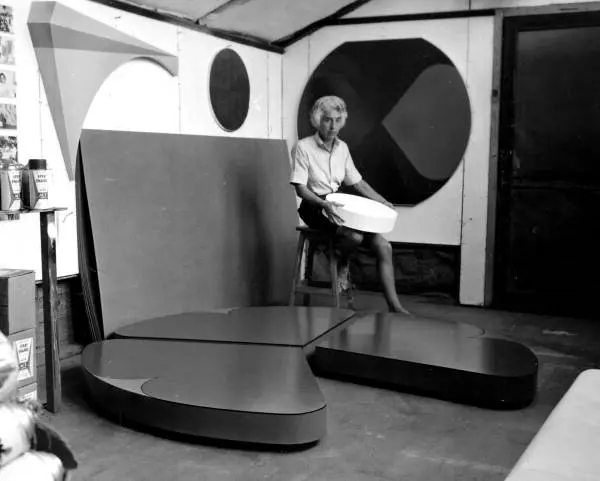
            Photo caption info: Underwater archaeologist Chuck Meide excavates a 1780 canon from a British Loyalist shipwreck off the coast of St. Augustine.

            PDF file(s)
            Article Number
            22
            relevantdate

              Florida Today 22
              Florida Frontiers “Maya Angelou, Ruby Dee, and Zora Neale Hurston”
              Ben Brotemarkle


              We recently lost two significant contributors to our culture.

              Poet, author, and performing artist Maya Angelou died on May 28, at the age of 86. Actress, playwright, and activist Ruby Dee died on June 11, at the age of 91.

              These strong, influential, and talented women were both significantly influenced by Florida writer, folklorist, and anthropologist Zora Neale Hurston.

              Both Maya Angelou and Ruby Dee contributed to the new book “Reflections from ZORA! Celebrating 25 Years of the Zora Neale Hurston Festival of the Arts and Humanities,” published by the Florida Historical Society Press.

              Established in 1887, Eatonville, Florida is the oldest incorporated African American municipality in the United States. The town figures prominently in the work of its most famous resident, Zora Neale Hurston.

              Hurston was a celebrated figure of the Harlem Renaissance in the 1920s and ‘30s, and arguably the most significant cultural figure to come from Central Florida.

              Since 1990, The Association to Preserve the Eatonville Community (P.E.C.) has produced the ZORA! Festival, presenting academics, artists, and other creative thinkers through lectures and panel discussions, visual and performing arts presentations, and a vibrant outdoor festival.

              Both Maya Angelou and Ruby Dee were involved with the ZORA! Festival from the beginning.

              Maya Angelou has written more than thirty best-selling books including I Know Why the Caged Bird Sings. In 1993, she read her poem “On the Pulse of the Morning” at the inauguration of President Bill Clinton. She toured Europe in a production of “Porgy and Bess,” and recorded an album of calypso music. She was active in the civil rights movement, working with both Malcom X and Martin Luther King. She has written, directed, and appeared in feature films. She was Reynolds Professor of American Studies at Wake Forest. While visiting Eatonville for the fifth annual ZORA! Festival, Maya Angelou praised the event:

              “This festival has a singular importance. It is not a festival in New York City or in Hollywood. It’s not a festival in Chicago, or any of the big metropoli of the world. It’s in Eatonville, Florida. And it is singular in that the festival—its existence itself—educates. Without a person even having to come here, he or she is forced to recognize this was the first incorporated all black town in the United States. That’s fantastic to know. Many black people don’t know that there were any. Not to mention whites, or Spanish-speaking or Native American.”

              Zora Neale Hurston is best remembered for her 1937 novel “Their Eyes Were Watching God,” the story of Janie Crawford and her attempts at self-realization. As an anthropologist, Hurston studied under the renowned Franz Boas. Her most important collection of folklore, “Mules and Men” was written in 1929 in Eau Gallie. Hurston also wrote dozens of short stories, essays, and dramatic works.

              Actress Ruby Dee has appeared in numerous stage, film, and television productions, including the stage and film versions of “A Raisin in the Sun,” the film “Do the Right Thing,” and the screen adaptation of “Their Eyes Were Watching God.” As part of the first annual ZORA! Festival, Ruby Dee conducted an acting workshop at Rollins College. During a break in the workshop, she discussed what makes Hurston’s writings noteworthy:

              “The thing that really intrigues about Zora is that she recognized that our intellectuals, our giant imaginations, our brilliant people weren’t necessarily the scholars and the middle class. She knew that found in the back woods are extraordinary people, who never heard of Ibsen, who are capable of putting the universe in perspective—genius storytellers who could put the elements of life into imaginative contexts, who might not be able to spell or read and write.”

              Zora Neale Hurston died broke and largely forgotten in Fort Pierce in 1960. Maya Angelou and Ruby Dee, who both died recently with well-deserved accolades and recognition, helped to revive interest in Zora Neale Hurston’s work and preserve her legacy for future generations.

              For more information read the book “Reflections from ZORA! Celebrating 25 Years of the Zora Neale Hurston Festival of the Arts and Humanities.” The book includes contributions from Maya Angelou, Ruby Dee, Amiri Baraka, Alice Walker, N.Y. Nathiri, and many others.

              Dr. Ben Brotemarkle is executive director of the Florida Historical Society and host of the radio program “Florida Frontiers.” The show can also be heard online at myfloridahistory.org.

              Photo 1 caption info: Maya Angelou and Ruby Dee both contributed to the new book “Reflections from ZORA! Celebrating 25 Years of the Zora Neale Hurston Festival of the Arts and Humanities.”

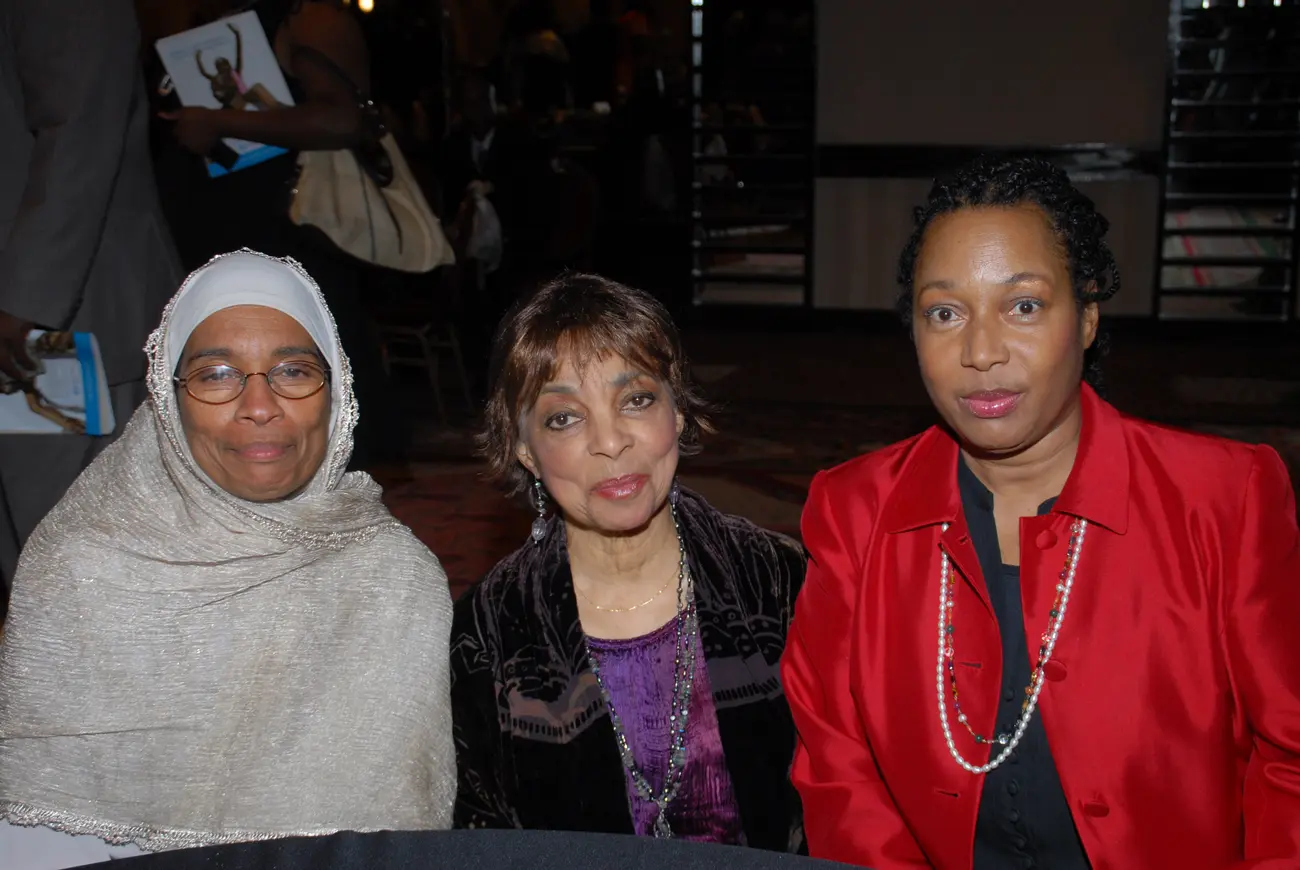
              Photo 2 caption: ZORA! Festival founder N.Y. Nathiri (left) with Ruby Dee (center) and actress Elizabeth Van Dyke.

              PDF file(s)
              Article Number
              21
              relevantdate

                Florida Today 21
                Florida Frontiers “Cemeteries as Living History Symposium”
                Ben Brotemarkle


                After the loss of a loved one, a cemetery can be a place of quiet reflection, private mourning, and feeling more connected to the person who has passed away.

                As years, decades, and centuries go by, cemeteries become outdoor museums, reflecting the values, beliefs, and attitudes of the societies that created them.

                On Saturday morning, the Florida Historical Society Archaeological Institute (FHSAI) will present a symposium called “Cemeteries as Living History” at the Historic Rossetter House Museum and Gardens in the Eau Gallie section of Melbourne.

                Dr. Rachel Wentz, Director of FHSAI, will lead a discussion about why archaeologists study cemeteries and what can be learned from them.

                “They provide information on social structure, social stratification, technology,” Wentz says. “We get a lot of information from grave good assemblages, what people are buried with. Even the position of the body, how the grave is constructed, tells us a lot about belief systems within societies.”

                Walk through a Florida cemetery that is more than fifty years old and it becomes readily apparent how various historical periods are reflected there. You can see people segregated by race, ethnicity, and religion, even in death. The very wealthy in life may be remembered with an ornate mausoleum, while a hard working but economically disadvantaged person may not even have a headstone.

                As a bioarchaeologist, Dr. Wentz studies bones. She points out that skeletons found in ancient cemeteries are an essential part of archaeological studies.

                “They give us information as to past diet, lifestyle, disease processes. We can trace the origins of diseases by studying skeletons.”

                In addition to learning about what burial practices, and the burials themselves, can tell us about a society and its culture, participants in the “Cemeteries as Living History” symposium will be given an overview of historic Florida cemeteries. Ben DiBiase, Director of Educational Resources for the Florida Historical Society, will discuss historic cemeteries in Pensacola, St. Augustine, and Key West.

                Although it was probably in use by the late 1700s, St. Michael’s Cemetery in Pensacola was officially recognized by the King of Spain in 1807. “It’s one of the oldest historic cemeteries in Florida, with over 3,000 known burials,” DiBiase says.

                In St. Augustine, Catholics were buried at the Tolomato Cemetery in the 1700s and 1800s, with the last burial taking place there in 1884. The Huguenot Cemetery was where Protestants were buried between 1821 and 1884. “And of course, there’s the St. Augustine National Cemetery,” says DiBiase, “where there are a number of soldiers who were buried in the nineteenth century, including those who were killed in the infamous Dade Massacre of 1835.”

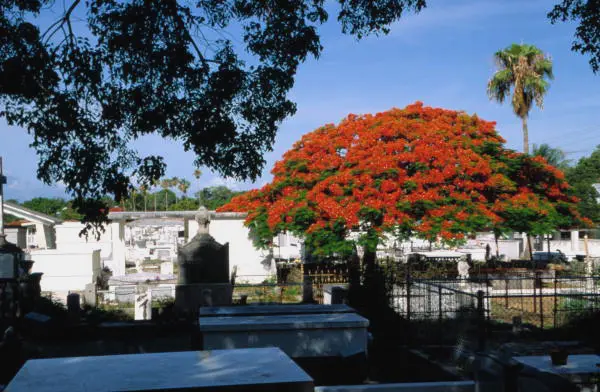
                Over 100,000 people have been interred in the Historic Key West Cemetery, which is still in use today. DiBiase says that “In the nineteenth century, Key West was one of the largest cities in Florida because of its location as a trade port.”

                As part of the symposium, DiBiase will lead a tour of the Houston Family Cemetery that is part of the Rossetter House Museum complex. “The Houston’s came to Brevard County in the mid-nineteenth century,” DiBiase says, “just before the American Civil War. John Carroll Houston is actually the oldest known burial in that site. He died in 1885, and his headstone is still there.”

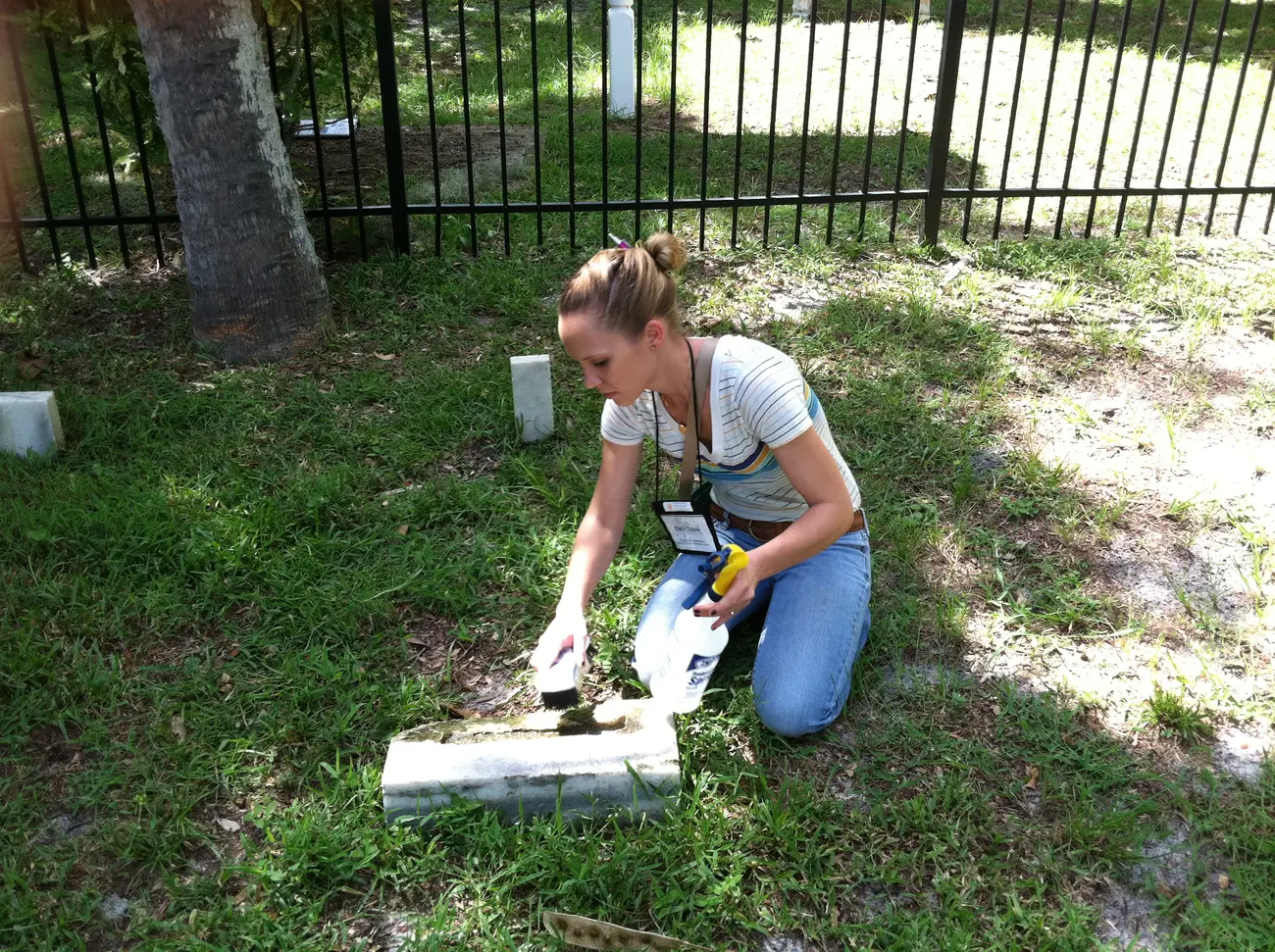
                Other workshops have been held recently providing information about the proper care and maintenance of historic cemeteries. While that information will also be covered on Saturday, FHSAI Director Rachel Wentz says that this symposium is different.

                “We’re going to be looking at historic cemeteries and prehistoric cemeteries in a broader perspective,” Wentz says. “It’s going to be more of an engaging discussion on the role of cemeteries in modern life and in research.”

                Cemeteries can help us feel more connected to those who have recently died, and they can help us to learn more about our distant past.

                The Florida Historical Society Archaeological Institute will present the “Cemeteries as Living History” symposium on Saturday, June 21, from 9:00 am to 12:00 pm at the Historic Rossetter House Museum and Gardens, 320 Highland Avenue, in the Eau Gallie section of Melbourne. Admission if free, but a $10 donation is suggested.

                Dr. Ben Brotemarkle is executive director of the Florida Historical Society and host of the radio program “Florida Frontiers.” The show can also be heard online at myfloridahistory.org.
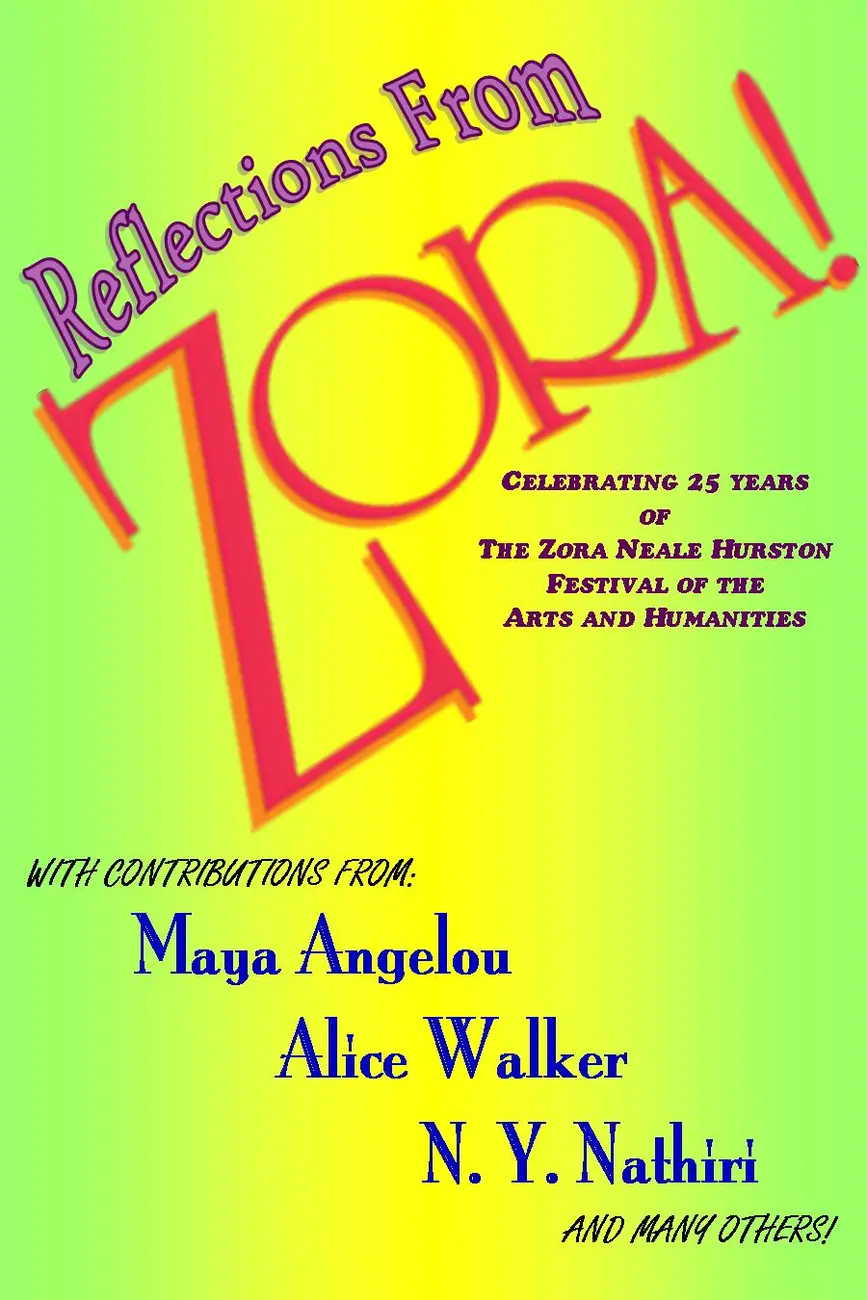
                Photo 1 caption info: More than 100,000 people have been buried in the historic Key West Cemetery.

                Photo 2 caption: A volunteer uses “best practices” to clean a headstone in the Houston Family Cemetery in Eau Gallie.

                PDF file(s)
                Article Number
                20
                relevantdate

                  Florida Today 20
                  Florida Frontiers “Florida Cattle”
                  Ben Brotemarkle


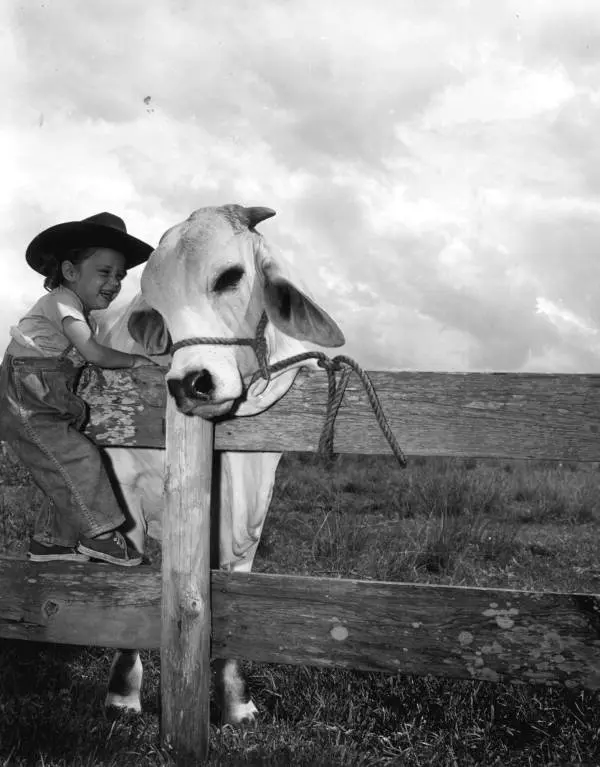
                  Even where urban sprawl has enveloped large portions of the Florida landscape, Florida cattle are never too far from view. Traveling the major interstates, highways, and particularly rural roads throughout the state, herds of cattle can be seen grazing on even small patches of land. White birds called cattle egrets often stand on or near the cows, eating ticks, flies, and other insects attracted to the large mammals.

                  Cattle first came to Florida with the Spanish.

                  After Ponce de Léon gave our state its name in 1513, he returned eight years later to establish a colony in Southwest Florida. The Calusa Indians, known for their colorful ceremonial masks and intricate wood carvings, attacked Ponce and his entourage, repelling the settlement attempt. Ponce later died from wounds he received in the attack.

                  As he was forced to flee the Calusa, Ponce de Léon abandoned a herd of Andalusian cattle he had brought to help feed his colonists. Those animals are believed to be the first domesticated cattle in North America.

                  When the Spanish explorer Hernando de Soto came to Southwest Florida in 1539, he also brought herds of cattle with him. As de Soto moved north through the center of the state, many of the cows strayed and were left behind.

                  Some of the abandoned Spanish cows roamed free, while others were bred and domesticated by Native Americans in Florida.

                  As pioneer settlers came to Florida in the mid-1800s, establishing a cattle industry here seemed prudent.

                  During the Civil War, Florida became the primary supplier of beef to the Confederate Army. Jacob Summerlin, known as the “King of the Crackers,” was one of the most successful cattlemen in the state. Many families still active in Florida’s cattle industry can trace their roots back to men who raised cattle during the Civil War, including Jack Yates, Henry Overstreet, George W. Bronson, and Isaac Lanier.

                  The Central Florida town of Kissimmee was a focal point for the state’s thriving cattle industry even before the war, and it remains so today.

                  The railroad came to Kissimmee in 1882, expanding cattle exportation. The citrus industry and tourism benefited from the railroad as well. During the late 1800s and early 1900s, steamboat traffic on the Kissimmee River also aided the local cattle industry. In the early twentieth century, Kissimmee cattlemen overcame livestock parasites such as stomach worms and the Texas fever tick.

                  The Florida ranchers successfully bred the Spanish cow descendants with Brahman, Angus, and Hereford stock.

                  The Florida Cattlemen’s Association was formed in Kissimmee in 1934. The group addresses cattle industry concerns such as promoting the sale of Florida-grown meat and fighting what they see as adverse legislation.

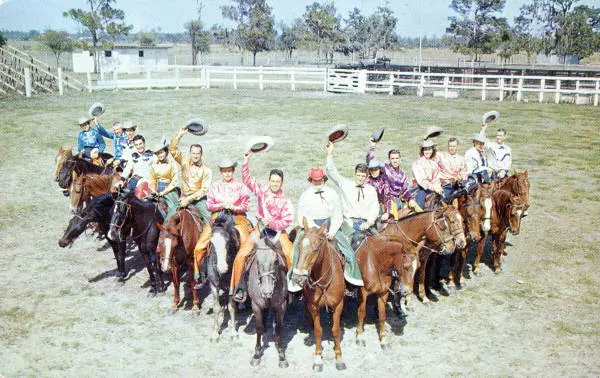
                  In 1938, the Kissimmee Livestock Auction Market was established to sell cattle on a weekly basis. An arena was constructed next to the Auction Market, where the first Silver Spurs Rodeo was held in 1944.

                  It is estimated that about one thousand people attended the first Silver Spurs Rodeo. The modern facility used today seats ten thousand.

                  The traditions of performing the Quadrille on Horseback and other rodeo skills are passed from one generation to the next in Kissimmee. On “Rodeo Day,” students in Osceola County get the day off from school to allow participation in the event.

                  The town of Kissimmee is best known today as the next-door-neighbor of Disney World. Highway 192 in Kissimmee is a seemingly endless series of hotels, T-shirt shops, discount malls, and themed restaurants.

                  Just beyond the neon and chaser lights of Highway 192, the cattle industry is alive and well in this historic community.

                  The 133rd Silver Spurs Rodeo was held June 6 and 7. The National Barrel Horse Association Florida State Finals are June 19-22 at the Silver Spurs Arena.

                  For more information on the cattle industry in Florida, past and present, visit the Osceola County Welcome Center and History Museum at 750 N. Bass Road in Kissimmee.

                  Dr. Ben Brotemarkle is executive director of the Florida Historical Society and host of the radio program “Florida Frontiers." The show can also be heard online at myfloridahistory.org.
                  PDF file(s)
                  Article Number
                  19
                  relevantdate

                    Florida Today 19
                    Florida Frontiers “St. Mark’s Episcopal Church”
                    Ben Brotemarkle


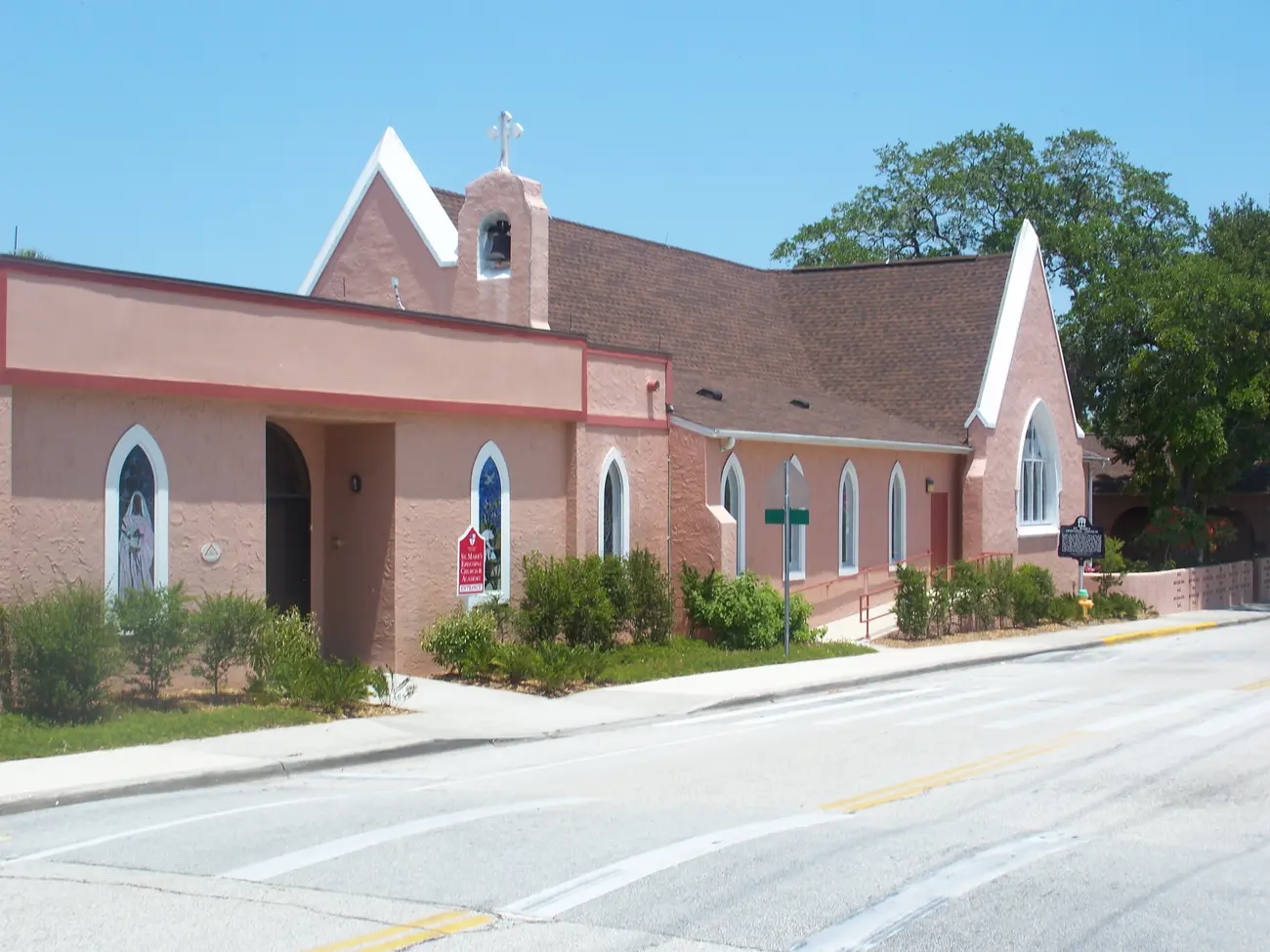
                    Today, parking in downtown Cocoa can be at a premium when services or special events are held at St. Mark’s Episcopal Church.

                    When the church was first built in 1886, many in the congregation would arrive by water, mooring their boats on the banks of the Indian River. It’s just a few steps from the river’s edge to the front door of the church. Others would walk to church from homes along the river.

                    The first meeting of what would become St. Mark’s Episcopal Church was held on June 2, 1878. The Right Reverend John Freeman Young, Bishop of Florida, and Dr. William H. Carter of Holy Cross Church of Sanford, gathered the founding members of the church at the home of A.L. Hatch in Rockledge. Dr. Carter later moved to Tallahassee, but services continued to be held by various priests.

                    The church was originally called St. Michael’s, in recognition of St. Michael the Archangel.

                    In 1884, Mrs. Lucy Boardman, a frequent visitor to Cocoa and Melbourne from her winter residence in Sanford, donated funds to Bishop Young for the construction of Episcopal churches near the Indian River. Mrs. Sarah O. Delannoy donated the land where St. Mark’s sits today.

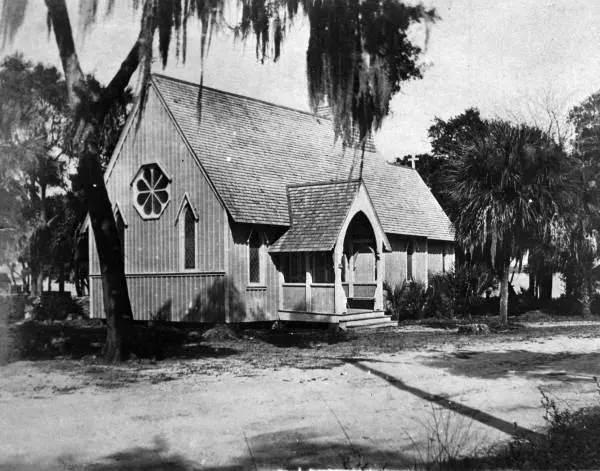
                    According to an historic marker erected by the Brevard County Historical Commission in 2010, Gabriel Gingras designed the board and batten Carpenter Gothic church. Early Cocoa residents William Booth and William Hindle designed and installed the church’s woodwork.

                    Dr. S.B. Carpenter, Rector of Holy Cross Church of Sanford, visited Cocoa once per month to oversee construction of the church. Although it was not quite finished, the first service was held in the new church on Christmas Eve, 1886.

                    The church’s tower bell, called “Michael,” was cast in New York in 1888.

                    In 1890, the name of the church was changed from St. Michael’s to St. Mark’s, in recognition of support provided by St. Mark’s Church in West Orange, New Jersey.

                    Although St. Mark’s has undergone significant additions and renovations over the years, most of the original interior woodwork and stained glass remains intact.

                    Many of the beautiful stained glass windows in St. Mark’s are dedicated to early founders of the church. For example, one panel is dedicated in memory of Arch Deacon William H. Gresson, who was born August 1846 and died June 1921.

                    Another window was created in memory of Emma J. Hardee, who was born October 6, 1847, and died May 16, 1915; and Florence H. Gingras, born May 16, 1870, and died November 6, 1913.

                    Sarepta E. Hartman, born May 9, 1839, and died December 9, 1924, is also remembered with a stained glass window. Another is dedicated to Cora M. Cook, born 1858, and died 1915.

                    When St. Mark’s was renovated in 1925, great care was taken to maintain the integrity of the original structure of the church. Stucco was added to the exterior, giving the building a Mediterranean style very popular at the time. Where additional woodwork was added to the interior, it closely matched the original.

                    With the addition of its first Rector, the Reverend William Loftin Hargrave, St. Mark’s was raised to “parish” status in 1938. Reverend Hargrave was later named Suffragan Bishop of the Diocese of South Florida and Bishop of Southwest Florida.

                    In February 1942, the Emma Cecilia Thursby Memorial Fellowship Hall was completed, providing space for community gatherings. Thursby was a popular opera singer in America and Europe in the late 1800s and a professor of music at the Institute of Musical Art, now the Julliard School, in the early 1900s. Thursby and her sister wintered in Cocoa.

                    St. Mark’s Parish Day School, known today as St. Mark’s Episcopal Academy, was established in 1956. Since then, education has been a primary focus of the church.

                    The most recent renovations to St. Mark’s Episcopal Church were in 1994, when the worship area was expanded to its present capacity, and in 2012, when pews modeled after the originals were installed.

                    While fewer people walk to church or moor their sailboats nearby as they did in 1886, the full parking spaces around St. Mark’s each week indicate that the church is as vital a part of the Cocoa community as ever.

                    Dr. Ben Brotemarkle is executive director of the Florida Historical Society and host of the radio program “Florida Frontiers.” The show can also be heard online at myfloridahistory.org.
                    PDF file(s)
                    Article Number
                    18
                    relevantdate

                      Florida Today 18
                      Florida Frontiers “The Peter Demens Story”
                      Ben Brotemarkle


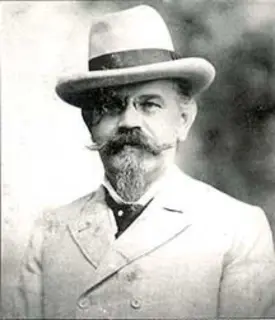
                      Peter Demens lived in Florida for only eight years, but his time here is memorable.

                      While living in Longwood, just north of Orlando, Demens constructed buildings on the campus of the state’s oldest private college, established a railway connecting Central Florida to the Gulf Coast, and gave the city of St. Petersburg its name.

                      Peter Demens was born Pytor A. Dementyev. Although he was an orphan by age 4, Demens was well provided for by his wealthy family in Russia. Demens was raised by his maternal uncle, a nobleman named Anastassy Alexandrovich Kaliteevsky. He grew up with a full staff of servants living on two inherited estates, one near Moscow and one near St. Petersburg. By age 17 he was managing his family estates.

                      In 1867, Demens entered military service under Alexander II as a lieutenant. Four years later he retired as a captain and returned to controlling his family’s business interests.

                      When Czar Alexander II was murdered and the more authoritarian Alexander III came to power, Demens became outspoken about his liberal, anti-czarist political views. He was exiled from Russia and came to the United States in 1880.

                      Demens claimed that he was “forced to flee Russia” before the military raided his estate, but some historians have concluded that his departure from his homeland was more likely prompted by his participation in a scandal involving the embezzlement of funds from the government.

                      Whatever the reason for Demens leaving Russia, he set sail for New York in May 1881, with $3,000 in his pocket. During the voyage Demens learned English from a textbook. By the time he arrived in New York, Pytor A. Dementyev had become Peter Demens.

                      Demens spent only one day in New York before boarding a train bound for Jacksonville. He wanted to start an orange grove there, but thought the land was too expensive. Demens continued south to less developed, and less expensive territory in Central Florida.

                      Peter Demens settled in Longwood. He bought an eighty acre orange grove and one-third interest in a sawmill. Within two years, Demens bought out his partners in the sawmill and acquired a contract to build the station houses for the South Florida Railroad.

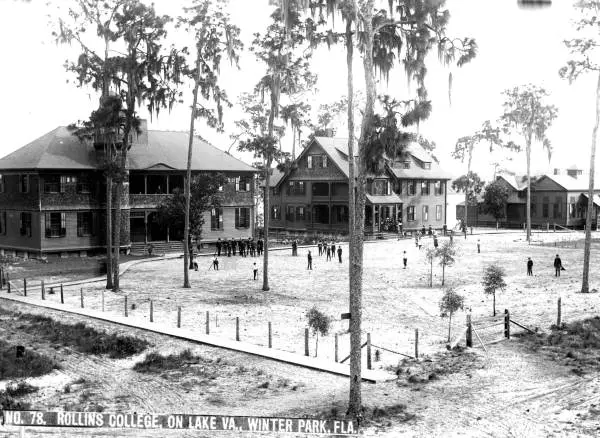
                      Demens was also hired to construct buildings on the campus of Rollins College in Winter Park. Established in 1885, Rollins College is the oldest private college in Florida. (DeLand University was established two years earlier, but became Stetson University in 1889.) While photographs from the 1880s show the buildings at Rollins to be attractive, college administrators deemed them to be “quite deficient” upon their completion.

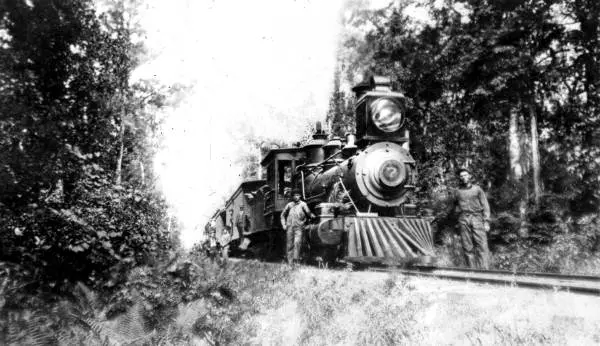
                      While living in Longwood, Demens also received a contract to make railroad ties for the Orange Belt Railway. The track would run from the south side of Lake Apopka and continue to the Tampa Bay area. After many financial setbacks, the track was completed and Demens was given the railroad charter instead of payment.

                      With control of the railway, Demens decided to name the new town at the end the line after one of his childhood homes in Russia, St. Petersburg.

                      Today, Peter Demens is remembered with a monument and historical marker in Demens Landing Park, site of the first railroad pier in St. Petersburg. Remembered as a founding father of the city, Demens also built the first hotel there, the Detroit.

                      Building the railroad left Demens in debt, and he sold it in 1889. He left Longwood for North Carolina and later moved to California. Beginning in 1904, Demens helped hundreds of Russians immigrate to California. Many of those immigrants were members of the Molokan Church, a Protestant denomination that split from the Russian Orthodox Church.

                      Peter Demens died in California in 1919, but he played an integral role in the growth of Florida in the 1880s.

                      Dr. Ben Brotemarkle is executive director of the Florida Historical Society and host of the radio program “Florida Frontiers.” The show can also be heard online at myfloridahistory.org.
                      PDF file(s)