Article Number
7
relevantdate

    People who lived in Brevard County, Florida during the first half of the twentieth century will tell you shocking stories of dealing with mosquitos before DDT was developed as an insecticide. For example, they say that if you put your hand on a window screen on the shady side of a house, it took only a few seconds for the mosquitos to form a solid black mirror of your hand as they attempted to bite you through the wire mesh. Everyone had window screens, because there was no air conditioning.

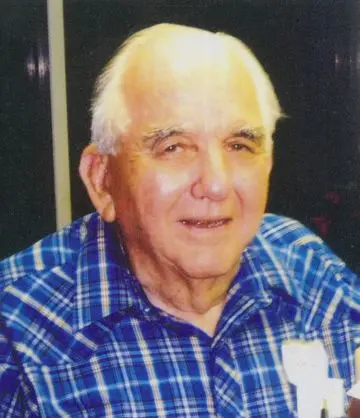
    Brevard County native George “Speedy” Harrell graduated from Rockledge High School in 1945, with thirty-two classmates. Harrell remembers using a “mosquito beater” to keep the blood suckers off of his mother as she put laundry on the line to dry, and to protect his brother as he milked a cow. Florida pioneers like the Harrell family would lash together palm fronds to create “mosquito beaters” to brush away swarms of the biting insects.

    In 1986, when George “Speedy” Harrell decided to organize an annual gathering for people who lived in Brevard County prior to 1950, he chose to name the group Mosquito Beaters. Harrell says, “I thought it would be great if we had one day that we get together, not a funeral or a wedding.” The Twenty-ninth Annual Gathering of the Mosquito Beaters will be held Friday March 14 and Saturday, March 15, at the Walter Butler Community Center in Cocoa.

    Every year, about 1,000 people attend the Mosquito Beaters Annual Gathering. The event is so popular that local high school class reunion activities are planned to coincide with it. There are no formal presentations or academic discussions. The gathering is just a large group of friends and family coming together to remember old times and talk about the way it used to be in East Central Florida.

    Prior to 1950, there were more mosquitos in Brevard County than people. The primary jobs here before World War II were in citrus groves or commercial fishing. In 1948, the Banana River Naval Air Station was converted to Patrick Air Force Base and in 1949; President Harry Truman established a long-range proving ground for missiles at Cape Canaveral. By 1959, NASA was launching lunar probes from Brevard County.

    In 1950, the population of Brevard County was only 23,000, but by 1960 that number had exploded by more than 371 percent.

    While the Mosquito Beaters was originally formed for people who had lived in Brevard County prior to 1950, that requirement has relaxed in recent years. Harrell explains, “If we stayed with ‘before 1950’ they’d all be dead and I’d be there talking to myself.” He says that now anyone is welcome to attend the gathering, “if they don’t tell us how they done it back home.”

    There have been many poignant moments at Mosquito Beater Annual Gatherings over the years. Friends who had not seen each other since going to war in the 1940s, former high school teammates, and estranged family members have all been reunited through the Mosquito Beaters. Harrell says, “There has been several occasions that one person would come to it and I would see them enjoy themselves enough to pay me for what work I’ve done on the thing.”

    The Mosquito Beaters are dedicated to preserving the history of Central Brevard County, including Cocoa, Rockledge, Merritt Island, Cocoa Beach, Cape Canaveral, and the surrounding area. They collect photographs and stories in an annual publication called the Central Brevard Mosquito Beaters Memory Book. The publication is sold at Florida Books and Gifts, located in the Library of Florida History in Cocoa.

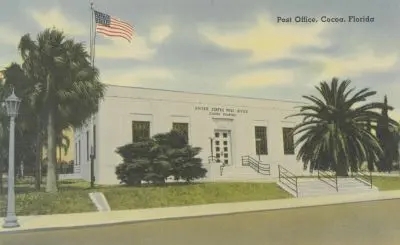
    The Mosquito Beaters have an office in the Library of Florida History, where their collection of photographs and documents is held. The building was originally a 1939 WPA-era post office, where Speedy Harrell worked as a postman before his retirement in 1982 as a Post Office Superintendent in Brevard County. Now, Speedy Harrell can be found there almost every day, working as a volunteer.

    The twenty-ninth Annual Gathering of the Mosquito Beaters will be held Friday, March 14, 2014 from 6:00 pm to 10:00 pm. Attendees are asked to bring “finger food” to share. The event continues Saturday, March 15 from 10:00 am to 2:00 pm, with food provided by Kay’s BBQ. The Walter Butler Community Center is located at 4201 N. Highway 1, Cocoa.

    Dr. Ben Brotemarkle is executive director of the Florida Historical Society and host of the radio program “Florida Frontiers.”  The show can also be heard online at myfloridahistory.org
    PDF file(s)
    Article Number
    6
    relevantdate

      The Florida Historical Society (FHS), whose statewide headquarters are in Cocoa Village, is announcing today the establishment of a new department focusing on the intersection of history and archaeology. March is Florida Archaeology Month and just in time for the celebration, FHS is launching the Florida Historical Society Archaeological Institute (FHSAI).

      Established in 1856, the Florida Historical Society has been supporting archaeology in the state for more than a century.

      FHS was the first state-wide organization dedicated to the preservation of Florida history and prehistory, as stated in their 1905 constitution. It was the first state-wide organization to preserve Native American artifacts such as stone pipes, arrowheads, and pottery, and the first to actively promote and publish archaeological research dating back to the early 1900s.

      As archaeology was just beginning to emerge as a discipline in the late 1800s and early 1900s, Clarence B. Moore traveled down the St. Johns River on the steamboat Gopher, stopping to investigate Native American burial mounds and other sites. Like most archaeology enthusiasts of his generation, Moore often did significant damage to the sites he explored, digging with reckless abandon instead of following the methodical procedures used by trained archaeologists today. Moore’s contributions to the study of Florida archaeology are important, though, because he meticulously documented what he found with detailed notes and illustrations.

      Clarence B. Moore became a Member of the Florida Historical Society in 1907, and donated his written works to the Library of Florida History.

      From the early twentieth century to the present, leading Florida archaeologists have had their work published in the FHS journal, The Florida Historical Quarterly. The Florida Historical Society was instrumental in the creation of the position of State Archaeologist and the establishment of the Florida Anthropological Society (FAS) in the 1940s, and served as host of the Florida Public Archaeology Network (FPAN) East Central Region from 2010 through 2013. Under the direction of FHS, the East Central Region was one of FPAN’s most successful.

      Today, FHS is continuing its long tradition of supporting archaeology in the state with the Florida Historical Society Archaeological Institute (FHSAI). The mission statement says that FHSAI “is dedicated to educating the public about Florida archaeology through research, publication, educational outreach, and the promotion of complimentary work by other organizations.”

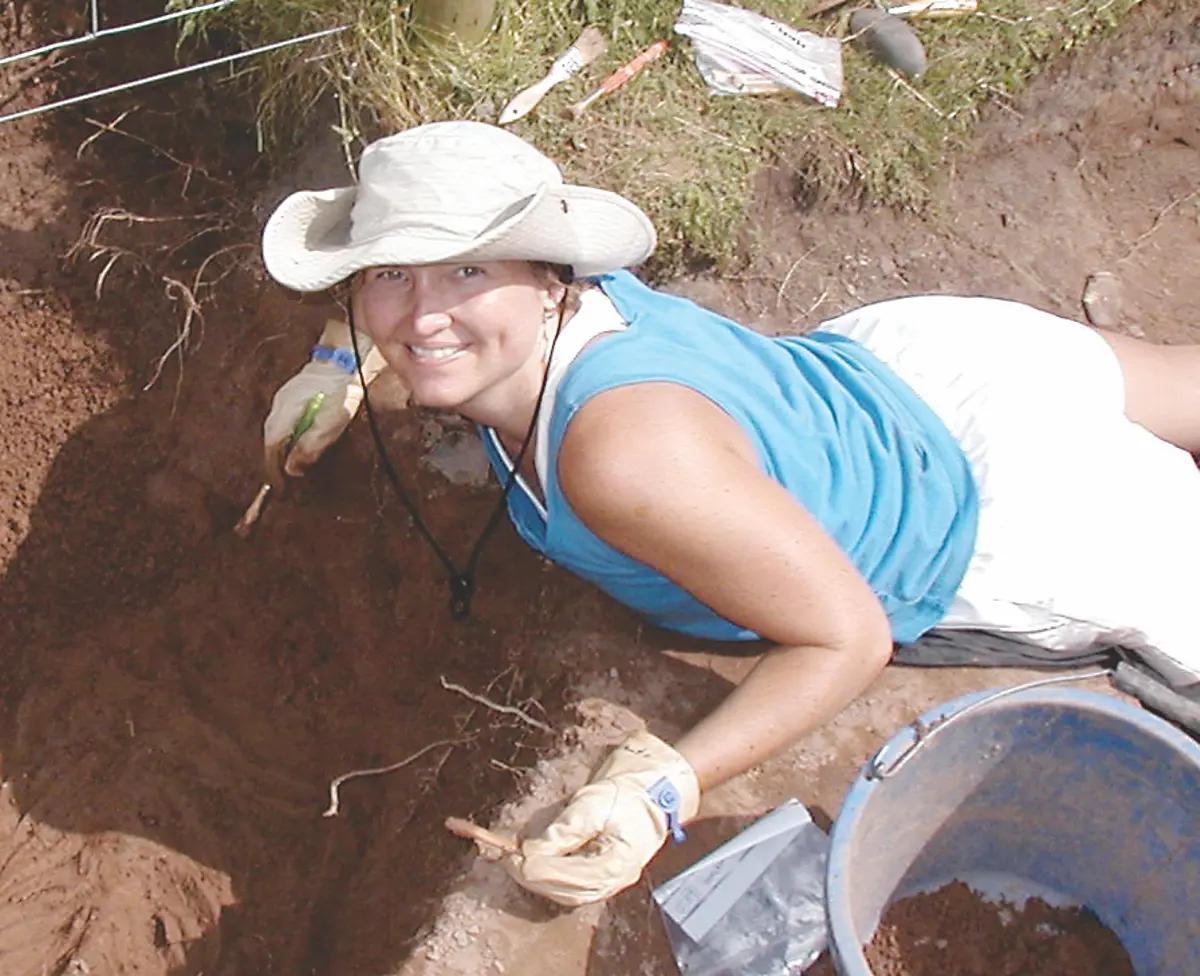
      Dr. Rachel K. Wentz is director of the new Florida Historical Society Archaeological Institute. She is former director of the Florida Public Archaeology Network (FPAN) East Central Region, and author of several books on Florida archaeology, including Chasing Bones: An Archaeologist’s Pursuit of Skeletons and Life and Death at Windover: Excavations of a 7,000-Year-Old Pond Cemetery. Her latest work, Searching Sand and Surf: The Origins of Archaeology in Florida is the first “official” publication of FHSAI, and will be released later this month.

      To celebrate Florida Archaeology Month, FHSAI is presenting a series of free public lectures each Friday night in March at 7:00 pm, at the Library of Florida History, 435 Brevard Avenue, Cocoa. March 7, Chuck Meide from the Lighthouse Archaeological Maritime Program (LAMP) in St. Augustine will discuss the excavation of a Florida shipwreck from the American Revolution. March 14, University of Central Florida graduate student Patrisha Meyers will give a presentation on forensic anthropology. March 21, University of South Florida professor Brent Weisman will talk about historical archaeology. March 28, FHSAI director Rachel Wentz will discuss her new book Searching Sand and Surf: The Origins of Archaeology in Florida.

      In addition to offering a regular series of public lectures at the Library of Florida History in Cocoa, FHSAI will give frequent presentations at other venues throughout the state, publish books and articles through the FHS Press, and promote archaeology on Florida Frontiers: The Weekly Radio Magazine of the Florida Historical Society.

      For more information on the Florida Historical Society Archaeological Institute (FHSAI) contact Dr. Rachel Wentz at 321-690-1971 ext. 222 or rachel.wentz@myfloridahistory.org, and visit the web site at www.fhsai.org.

      Dr. Ben Brotemarkle is producer and host of “Florida Frontiers: The Weekly Radio Magazine of the Florida Historical Society.” The show can also be heard online at myfloridahistory.org.


      PDF file(s)
      Article Number
      5
      relevantdate

        Carrying a cumbersome audio recorder that he called “the thing,” Stetson Kennedy traveled through rural backwoods, swamps, and small towns from north Florida to Key West, collecting oral histories, folktales, and work songs. He spoke with the diverse people of Florida including Cracker cowmen, Seminole Indians, Greek sponge divers, African American turpentine still workers, and Latin cigar rollers.

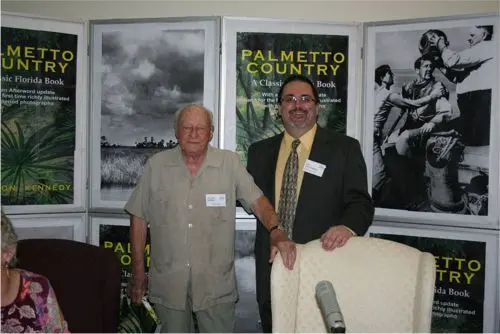
        The result of Stetson Kennedy’s trek through Florida’s multicultural communities was the classic 1942 book Palmetto Country.

        Born in Jacksonville in 1916, Stetson Kennedy traveled the world but always returned to Florida. He left his studies at the University of Florida in 1937 to join the Works Progress Administration’s Florida Writers Project, and was soon named the head of the unit on folklore, oral history, and socio-ethnic studies. During this period he was the supervisor of writer, folklorist, and anthropologist Zora Neale Hurston, who also collected material for the WPA.

        Stetson Kennedy’s work helped to establish the collection of oral history as a valid method of historical research among twentieth century historians. In a 2009 interview, Kennedy reflected on his role as an early oral historian: “I am a great believer in oral history because [of what] I call…the ‘Dictatorship of the Footnote.’  The academicians are quoting each other instead of going out and getting first-hand primary source material.  And oral history, of course, is [the perspective of] a participant and a witness, at least, and seeing it with all their sensory organs, and for that reason it has more validity from my point of view.”

        While collecting oral histories in Florida’s diverse communities, Stetson Kennedy was particularly moved by the plight of African Americans suffering under the state’s restrictive “Black Codes” and the South’s tradition of “Jim Crow” laws. A social activist as well as an author, Kennedy risked his life by infiltrating the Ku Klux Klan and exposing their secrets. Using the name John Perkins, Stetson Kennedy was able to gather information that helped lead to the incarceration of a number of domestic terrorists. These experiences led to the 1954 book I Rode With the Klan, which was later republished under the title The Klan Unmasked

        Much has been made of Kennedy’s creative choice in The Klan Unmasked to blend information obtained by another KKK infiltrator with his own experiences, presenting them with one narrative voice. The accuracy of the information in his book cannot be effectively challenged, just the style in which the facts are presented. 

        In 2009, Kennedy recalled his covert study of the KKK: “I first infiltrated during the war, when the Klan was afraid that President [Franklin Delano] Roosevelt might prosecute them under the War Powers Act.  So they didn’t put on their robes, and they changed their names to various things like American Shores Patrol and American Gentile Army, and things like that, so that’s how it all began.  And, yes, it was exciting, to put it mildly.  When I went overseas some years later, I thought I’d get away from my nightmares, you know, of being caught.  But in Paris, it was raining frequently, and the French traffic cops wore white rubber raincoats with capes and hoods, and their hand signals were very much like the Klan signals, so I kept on having nightmares.”

        Stetson Kennedy continued working until his death in 2011, at the age of 94. His last book, The Florida Slave, was published posthumously. He wrote eight books, and his work as an author, activist, and folklorist has been deservedly well recognized. Kennedy received the Florida Heritage Award, the Florida Governor’s Heartland Award, the NAACP Freedom Award, the Florida Historical Society’s Dorothy Dodd Lifetime Achievement Award, and he was inducted into the Florida Artist’s Hall of Fame.

        For more information read Stetson Kennedy’s books including Palmetto Country, The Klan Unmasked, Jim Crow Guide to the U.S.A., After Appomattox: How the South Won the War, and The Florida Slave.

        Dr. Ben Brotemarkle is producer and host of “Florida Frontiers: The Weekly Radio Magazine of the Florida Historical Society.”  The show can also be heard online at myfloridahistory.org.

        PDF file(s)
        Article Number
        4
        relevantdate

          Moses Barber had simply had enough of his cattle going missing. He believed that David Mizell and his friends were periodically stealing from his herd. His rage reached a point where Barber publically declared that if David Mizell set foot on his property again, he would be shot.

          On February 21, 1870, David Mizell became the first casualty of the Barber-Mizell Family Feud. He was shot and killed on Barber property near Holopaw, Florida, in Osceola County.

          Moses Barber first settled in North Florida in the 1830s. As the Seminoles were pushed to the south, Barber expanded his cattle operation into Central Florida. Some members of the Barber family built homes on the south end of the cattle run, near Fort Christmas. By the time the Civil War began in 1860, Moses Barber was a prominent and successful cattleman.

          During the Civil War, Florida was the primary supplier of beef to the Confederate Army, and the Barber family had one of the largest cattle businesses in the state. Once the war was over, some of Barber’s fellow cowmen were taking part in the Reconstruction government, which he saw as a betrayal.

          David Mizell, who had fought for the Confederate Army, was named sheriff and tax collector of Orange County after the war. Moses Barber refused to pay what he believed were unfair taxes to the U.S. government. Mizell responded by taking some of Barber’s cattle to compensate for the unpaid debt. Tensions between the Barber family and the Mizell family escalated during the late 1860s, with other cattle families taking one side of the argument or the other.

          Moses Barber believed that Mizell family friend George Bass had stolen some of his cattle, and confronted him about it. The Mizells controlled the sheriff’s office and the courts, so Barber and members of his family were charged with “false imprisonment” for holding Bass against his will. After decades of lawlessness on Florida’s frontier, Mizells charged Barbers with a series of crimes including arson, polygamy, and tax evasion. At the heart of the dispute was control over Florida’s cattle industry.

          David Mizell ignored Moses Barber’s warning to stay off his land. Mizell, his son Will, and his brother Morgan ventured onto Barber property. As they crossed Bull Creek on their horses, shots were fired from behind some bushes, and David Mizell was killed.

          As he lay dying, David Mizell asked that his death not be avenged. His brother John had other plans.

          John Randolf Mizell, David’s brother, was the first judge of Orange County. Despite his position, Judge Mizell wanted swift justice for the men he was convinced were behind his brother’s death. Within weeks, Moses Barber’s son Isaac was shot and killed, allegedly while trying to escape arrest and Moses Jr. was drowned by vigilantes. Barber family friends William Yates and Lyell Padgett were shot and killed as fleeing suspects.

          William Bronson, a family friend of the Mizells, was reportedly shot by Burrell Yates, a friend and relative of the Barbers. Allegedly, Yates was trying to prevent Bronson from burning evidence that would incriminate the Mizells and their associates in the wrongful deaths of the Barbers.

          According to Barber family history, a total of thirteen Barber men were killed by the Mizell family during the Barber-Mizell Family Feud of 1870, but this claim can not be verified by public records.

          No one is sure what happened to Moses Barber during and after the feud. Some records indicate that he died in 1870, while others have him alive and living in Texas in 1877.

          Remnants of this colorful chapter of Florida history remain today. The Mizell family homestead is located in what is now Harry P. Leu Botanical Garden in Winter Park. The oldest grave in the small family cemetery there belongs to David Mizell. The Yates family homestead, originally located on Taylor Creek, has been relocated to Fort Christmas Historic Park. Needham Yates and William Yates were both killed in the Barber-Mizell Family Feud. The rural Volusia County town of Barberville was founded by James D. Barber, a descendent of Moses Barber.

          Today, the Barber and Mizell families have merged through marriage. Several generations have blood from both sides of this bitter dispute.

          For more information on the Barber-Mizell Family Feud of 1870, read the historical novel Florida’s Frontier: The Way Hit Wuz by Mary Ida Bass Barber Shearhart.

          Dr. Ben Brotemarkle is producer and host of “Florida Frontiers: The Weekly Radio Magazine of the Florida Historical Society.”  The show can also be heard online at myfloridahistory.org.

          PDF file(s)
          Article Number
          94
          relevantdate

            This Friday night, a woman who was ritualistically buried in Brevard County more than 7,000 years ago will be brought back to life.

            Using some of the same forensic reconstruction techniques used to identify modern crime victims from skeletal remains, artist Brian Owens has created the Windover Woman sculpture that will be unveiled this weekend.

            “This was a fun project,” says Owens. “I usually work in bronze, so this more lifelike silicone material was a new challenge for me.”

            Owens had measurements and computer generated images created from scans of a Windover skull to guide his work. The resulting bust sculpture will allow visitors to look into the eyes of a prehistoric Floridian.

            In the mid-1980s, nearly 200 remarkably well-preserved human burials together with artifacts from the Archaic Age were discovered near the intersection of I-95 and SR50. The remains were wrapped in the oldest woven cloth found in North America. The anaerobic environment and the Ph balance of the pond cemetery allowed even brain matter to be preserved in 91 of the burials.

            “The Windover site is actually the most important burial site in North America,” says Patrisha Meyers, director of the Brevard Museum of History and Natural Science and the Florida Historical Society Archaeological Institute.

            “One of the things that make it so significant is the unique type of burial. It’s a pond burial; we don’t see that as often, and this is the most complete population that has been excavated from this period, about 7,000 to 8,000 years ago. They were able to excavate 168 individuals ranging in age from infancy to old age, and because of that, we were able to learn a great deal about these early lifeways.”

            The event Friday evening from 6pm to 9pm is a fundraiser for the Brevard Museum of History and Natural Science and the Florida Historical Society Archaeological Institute that is based there.

            The $75 VIP ticket includes live Native American music, gourmet food, beer and wine. Attendees will have one-on-one time with Owens, as well as archaeologists who have preserved and studied the Windover materials. They will be the first to see the improved and expanded “People of Windover” exhibition, including the Windover Woman sculpture.

            Thanks to a grant from the Florida Humanities Council, the public is invited to the museum at no expense this Saturday to attend the panel discussion “Windover Archaeology: The Next Generation.” 

            Panelists will include Dr. Rochelle Marrinan, Windover archaeologist and chair of the anthropology department at Florida State University; Dr. Geoffrey Thomas, specialist faculty member in the FSU anthropology department; and Dr. Rachel Wentz, author of the book “Life and Death at Windover: Excavations of a 7,000 Year-Old Pond Cemetery.”

            For the past three decades, most of the Windover remains and artifacts have been housed at Florida State University in Tallahassee. During that time, outstanding research has been done that expands our understanding of Archaic Age people.

            “It’s really done a good job in terms of interacting faculty, undergraduate, and graduate students, because everyone’s interested in slightly different things,” says Geoffrey Thomas. “The more individuals with different interests that branch out and look at different things, access different diseases, different health statuses, demographics, growth and development, every new study really does broaden the general picture of the whole population.”

            DNA testing was in its infancy when the Windover Dig took place, and other technological advancements have been made. Study of the Windover people and artifacts will continue to provide new information about our prehistoric past.

            “There are a lot of different kinds of techniques that archaeologists are using these days,” says Rochelle Marrinan. “At the moment, I think the most pressing need is the genetic one. We’re hopeful that there will be new techniques that will allow us to retrieve material that can be genetically used to sequence this population, each individual if possible. That will give us the most information, and also show their relatedness to others in Florida.”

            The improved and expanded People of Windover exhibition includes a refreshed recreation of the archaeological dig, a new interactive lab with “hands-on” activities, new interpretative panels, a new video presentation, and the Windover Woman sculpture.

            More information about “Windover Weekend” is available at myfloridahistory.org.

            PDF file(s)
            Article Number
            3
            relevantdate

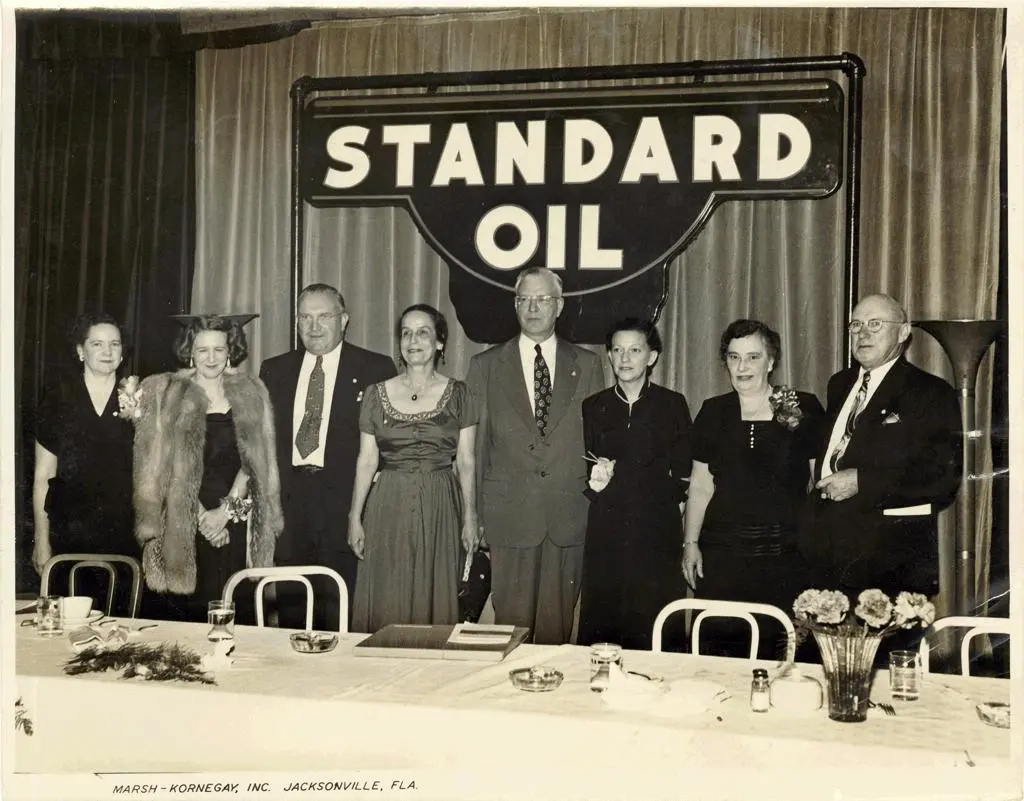
              Caroline P. Rossetter, at the tender age of 23, listened at the keyhole as a debate took place behind closed doors at the Standard Oil Company office in Louisville, Kentucky. Upon her father’s death, Carrie Rossetter requested that she be allowed to take over his Standard Oil Agency in Brevard County, Florida. That request sparked a heated discussion.

              The year was 1921, and women had received the right to vote in the United States just months before. The idea of a woman being able to run a business was preposterous to some.

              James W. Rossetter had moved his family to Eau Gallie, Florida in 1902, when Carrie was just four years old. He distributed Standard Oil products by boat up the Banana River to Cape Canaveral. Carrie had been working in her father’s office from the time she was fourteen. When James Rossetter died in 1921, Carrie desperately wanted to keep control of her father’s business.

              Finally, Carrie heard a decisive voice rise over the din, saying “Let the little lady have it! She won’t last a year and we’ll give it to a man!” With that, Caroline P. Rossetter became the first female Standard Oil Agent.

              The loudly stated prediction was at least partially accurate. Rossetter didn’t last a year as a Standard Oil Agent. She lasted 62 years, becoming one of the company’s most successful representatives until her retirement at the age of 85.

              In an interview from 1980, Rossetter said, “At the age of 82, I believe I have set the record for the longest term as a commissioned agent in the Chevron family. I remember how surprised company representatives were when I began my career. It was unheard of for a woman to go into the oil business, on her own, in 1921.”

              Carrie Rossetter’s many business accomplishments included building some of the first gasoline stations in Brevard County, and acting as the sole distributor of oil to the Banana River Naval Air Station’s civilian air force during World War II.

              Rossetter said that oil company representatives weren’t the only ones who were amazed by her. “My mother was a Southern magnolia. She couldn’t believe that I could be in business and still be a lady. My career has proven that a woman can be every bit as successful as a man in business, and I am still a Southern lady.”

              Carrie Rossetter received a letter from the White House, dated August 29, 1983. The note said, “Dear Miss Rossetter: Congratulations on your retirement. Yours has been a career marked by dedication and achievement. You should take great pride in your many years of accomplishment. Nancy joins me in wishing you continued happiness and enjoyment in the years ahead. Sincerely, Ronald Reagan.”

              An active member of the community, Carrie Rossetter contributed to educational institutions including the Florida Institute of Technology. She served as a founding member and patron of the Brevard Art Museum and as a director of the Brevard Art Center and Museum. Rossetter was one of the first and longest running members of the Eau Gallie Yacht Club, and a lifetime member of the Brevard Crippled Children’s Association.

              Before her death in 1999, at the age of 101, Caroline P. Rossetter, along with her sister Ella, established a trust to secure the preservation of their family home as an historical monument.

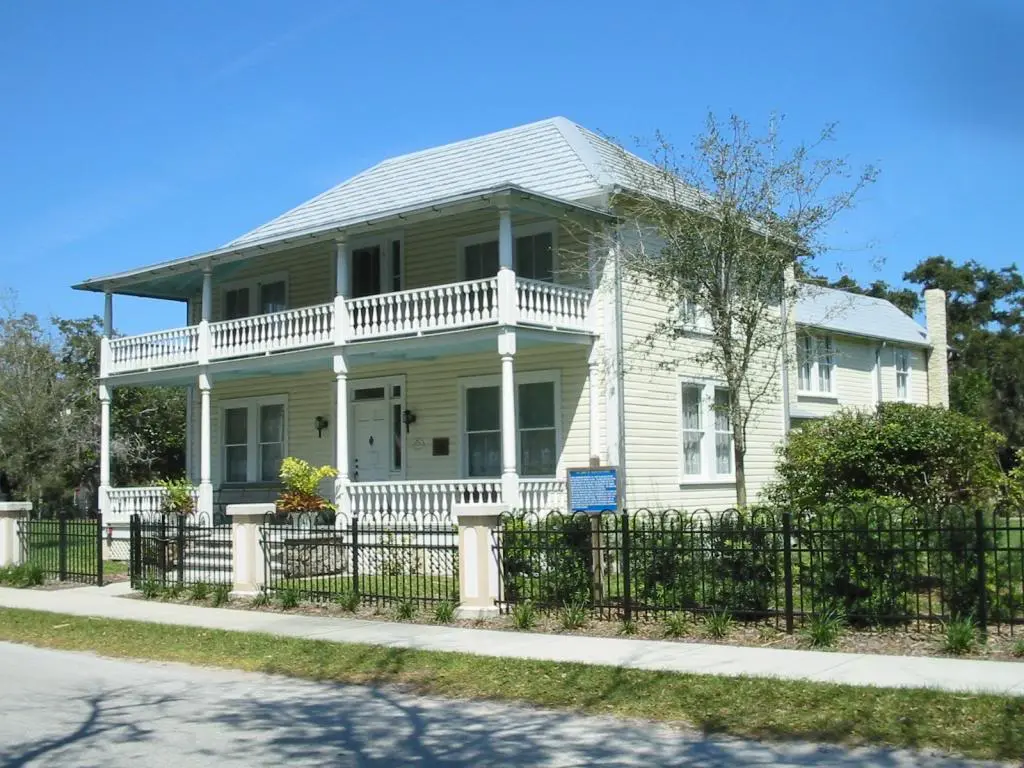
              Listed on the National Register of Historic Places, the Rossetter House Museum and Gardens complex is located on Highland Avenue in Eau Gallie, Florida. It consists of the 1908 James W. Rossetter House, the 1901 William P. Roesch House, and the Houston Family Cemetery.

              Since 2004, the Florida Historical Society has managed the Historic Rossetter House Museum and Gardens under the direction of the Rossetter House Foundation, Inc. Through historic tours and special events, Brevard County history is celebrated and preserved for both residents and visitors.

              The Rossetter House Museum and Gardens will be included in the 2014 Eau Gallie Historic District Home Tour on Saturday, February 15, from 10:00 am to 3:00 pm, sponsored by the South Brevard Historical Society. The tour is part of the Annual Eau Gallie Founder’s Day and Fish Fry.

              Dr. Ben Brotemarkle is producer and host of “Florida Frontiers: The Weekly Radio Magazine of the Florida Historical Society,” broadcast locally on 90.7 WMFE Thursday evenings at 6:30 and Sunday afternoons at 4:00, and on 89.5 WFIT Sunday mornings at 7:00.

              PDF file(s)
              Article Number
              2
              relevantdate

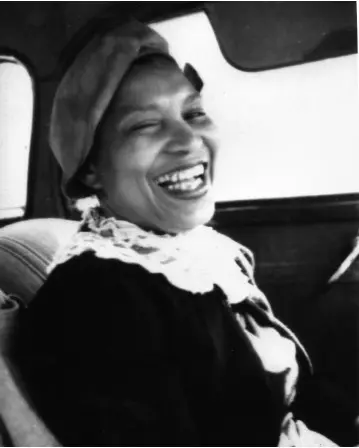
                On July 9, 1951, writer, folklorist, and anthropologist Zora Neale Hurston wrote in a letter to Florida historian Jean Parker Waterbury: “Somehow, this one spot on earth feels like home to me.  I have always intended to come back here. That is why I am doing so much to make a go of it.”

                It would be natural to assume that Hurston was writing about her adopted hometown of Eatonville, Florida. Growing up in Eatonville, the oldest incorporated municipality in the United States entirely governed by African Americans, instilled in Hurston a fierce confidence in her abilities and a unique perspective on race. Eatonville figures prominently in much of Hurston’s work, from her powerful 1928 essay How It Feels To Be Colored Me to her acclaimed 1937 novel Their Eyes Were Watching God

                Since 1990, the Association to Preserve the Eatonville Community (P.E.C.) has celebrated their town’s most famous citizen with the annual Zora Neale Hurston Festival of the Arts and Humanities. Hurston will forever be associated with the historic town of Eatonville.    

                Hurston, however, was not writing about Eatonville when she spoke of “the one spot on earth [that] feels like home to me” where she was “the happiest I have been in the last ten years” and where she wanted to “build a comfortable little new house” to live out the rest of her life.

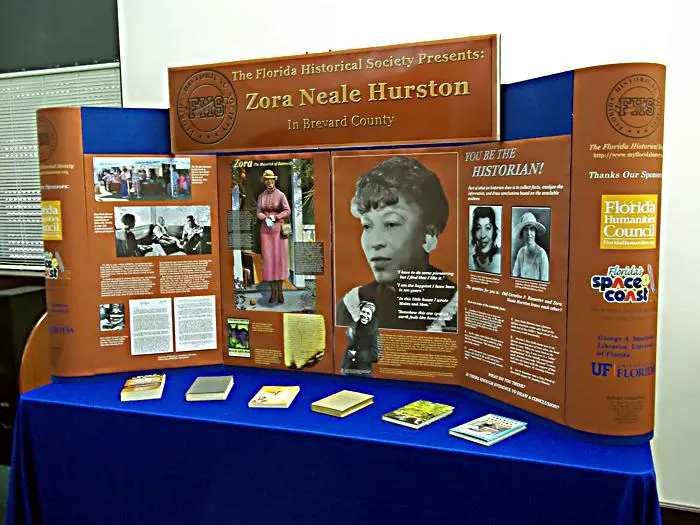
                Unknown to most, Zora Neale Hurston called Brevard County “home” for some of the happiest and most productive years of her life. 

                Hurston first moved to Eau Gallie in 1929. Here she wrote the book of African American folklore Mules and Men (published in 1935), documented research she had done in Florida and New Orleans to fill an entire issue of the Journal of American Folklore, and made significant progress on some of her theatrical pieces.

                After returning to New York in late 1929, Hurston came back to Eau Gallie in 1951, moving into the same cottage where she had lived previously. While living in Eau Gallie between 1951 and 1956, Hurston staged a concert at Melbourne High School (its first integrated event); worked on the project that became her passion, the manuscript for Herod the Great; covered the 1952 murder trial of Ruby McCollum (an African American woman who killed her white lover); and wrote an editorial for the Orlando Sentinel arguing against the Brown v. Board of Education decision. Her controversial disapproval of public school integration reflected her belief in the need to preserve African American culture and communities.

                While working as a librarian at the Technical Library for Pan American World Airways on Patrick Air Force Base, Hurston was unable to purchase her much loved Eau Gallie cottage, so she moved to an efficiency apartment in Cocoa. In June, 1956, Hurston moved from the apartment to a mobile home on Merritt Island. She was fired from her job in May 1957, because she was “too well-educated for the job.” She then left her happy life in Brevard County to take a job at the Chronicle in Fort Pierce, where she died three years later. 

                Zora Neale Hurston is remembered as a controversial figure of the Harlem Renaissance, a talented anthropologist and collector of folklore, and a beloved novelist. While she will always be closely associated with her adopted hometown of Eatonville, Brevard County is where Hurston spent some of her happiest and most productive years, in her cottage on the northeast corner of what is now the intersection of Guava Avenue and Aurora Road in Eau Gallie.

                More information about Zora Neale Hurston’s time in Brevard County can be found in the book Zora Neale Hurston’s Final Decade by Virginia Lynn Moylan and the television documentary The Lost Years of Zora Neale Hurston airing on WUCF TV, Friday, February 7 at 10:30 pm and Sunday, February 9 at 1:30 pm.

                Dr. Ben Brotemarkle is producer and host of
                “Florida Frontiers: The Weekly Radio Magazine of the Florida Historical Society,”
                broadcast locally on 90.7 WMFE Thursday evenings at 6:30
                and Sunday afternoons at 4:00,
                and on 89.5 WFIT Sunday mornings at 7:00.


                PDF file(s)
                Article Number
                1
                relevantdate

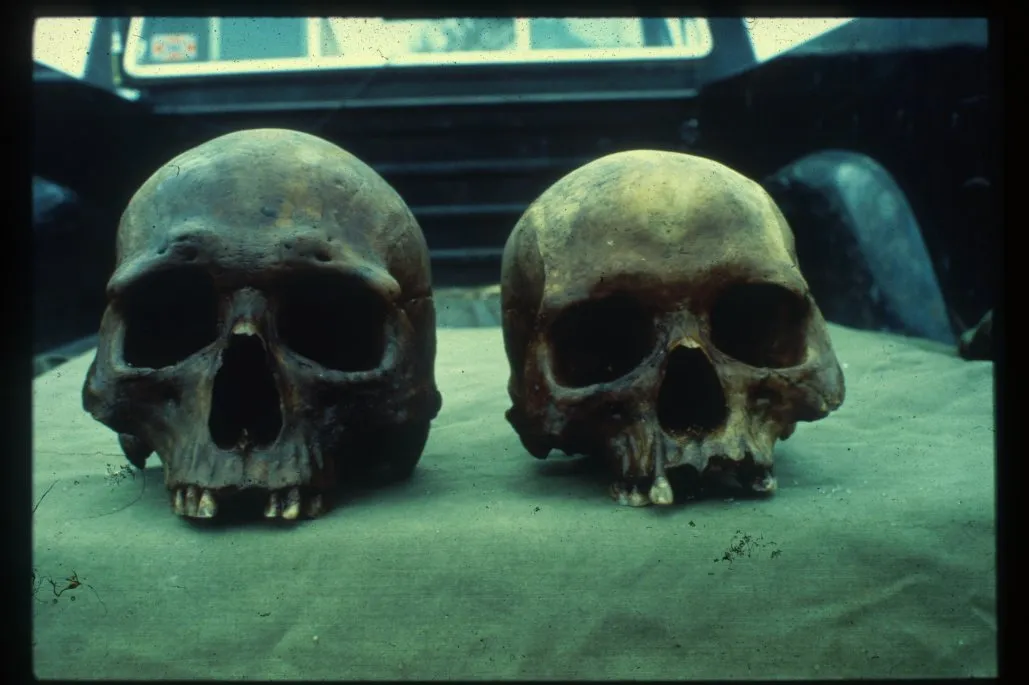
                  Backhoe operator Steve Vanderjagt couldn’t believe his eyes. After uncovering a round, brownish object, he stopped clearing away the muck and debris to investigate further. When Vanderjagt picked up the object, the two empty eye sockets of a skull were staring back at him.

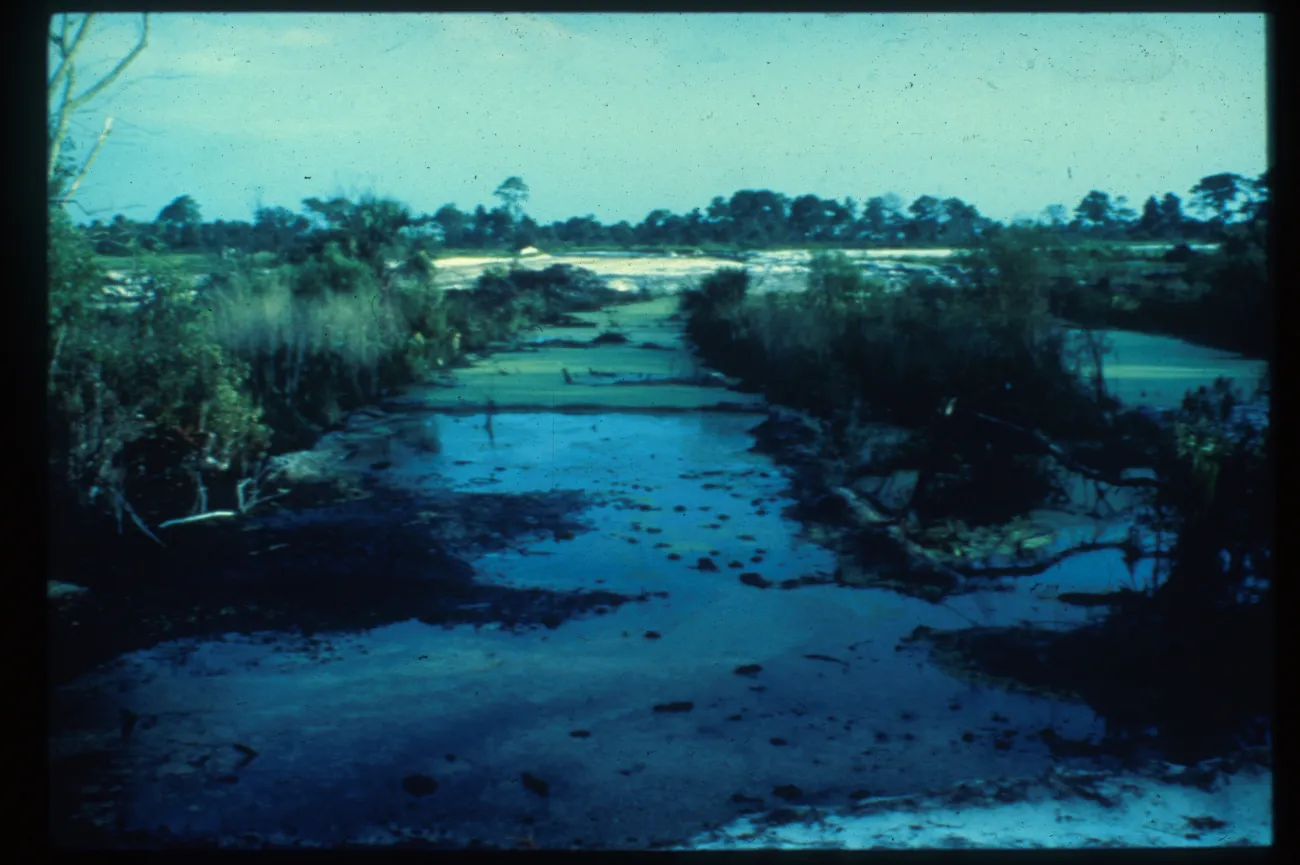
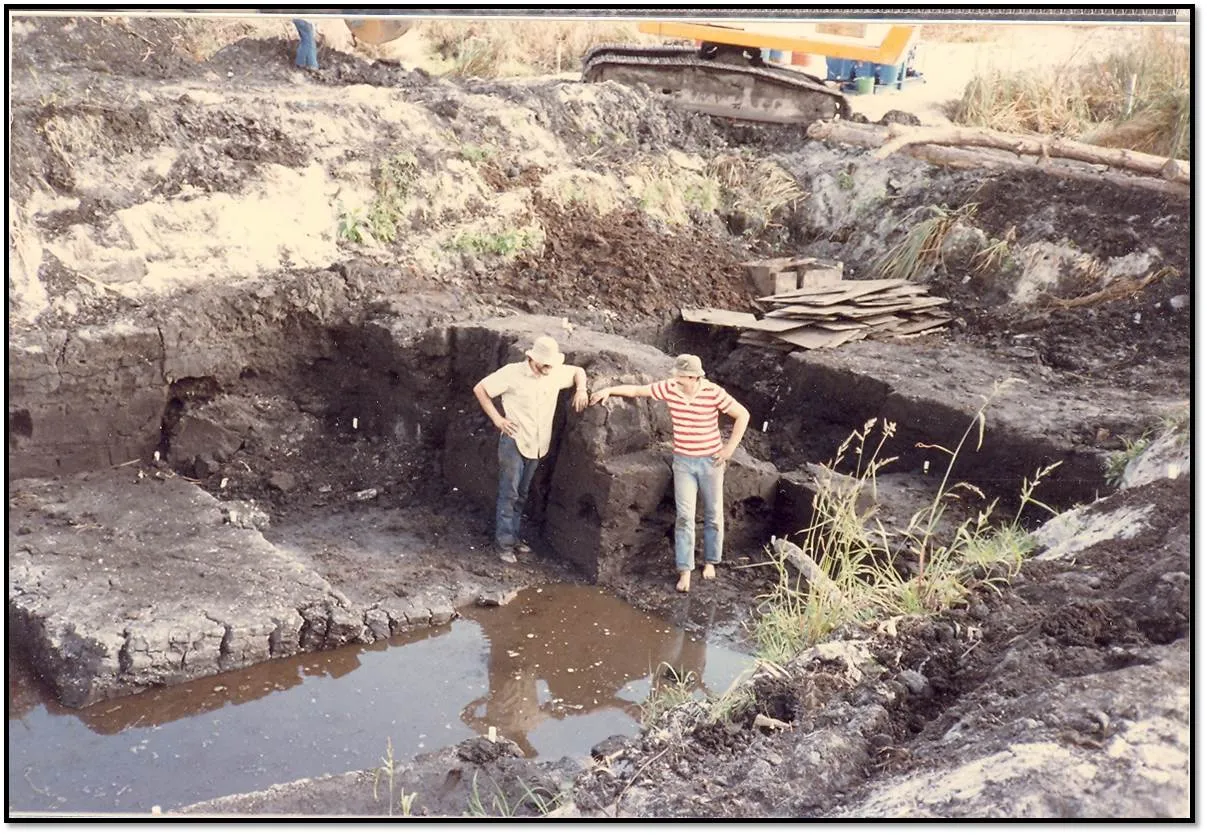
                  The year was 1982, and Steve Vanderjagt was working to clear the area around a pond in what would become the Windover Farms subdivision in Titusville, Florida, near the intersection of Interstate 95 and State Road 50. It was quickly apparent that the remains of several very old skeletons had been disturbed.

                  Jim Swann, the developer of the property, could have made the choice to quietly cover the bones and proceed with construction of his housing development, and no one would have been the wiser. Instead, Swann halted work on the site and brought in experts to determine exactly how old the newly discovered remains were, and what should be done with them.

                  A young archaeologist from Florida State University was called in to examine the bones. Dr. Glen Doran could tell right away that the bones were Native American, and were perhaps 1,000 years old or more. After his preliminary assessment of the bones, carbon dating was performed on them. Everyone, including Doran, was shocked by the results.

                  The human remains uncovered at the Windover site were between 7,000 and 8,000 years old, making them 3,200 years older than King Tutankhamen and 2,000 years older than the Great Pyramids of Egypt.

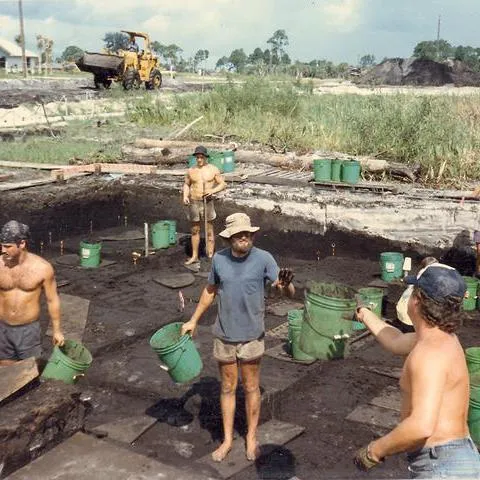
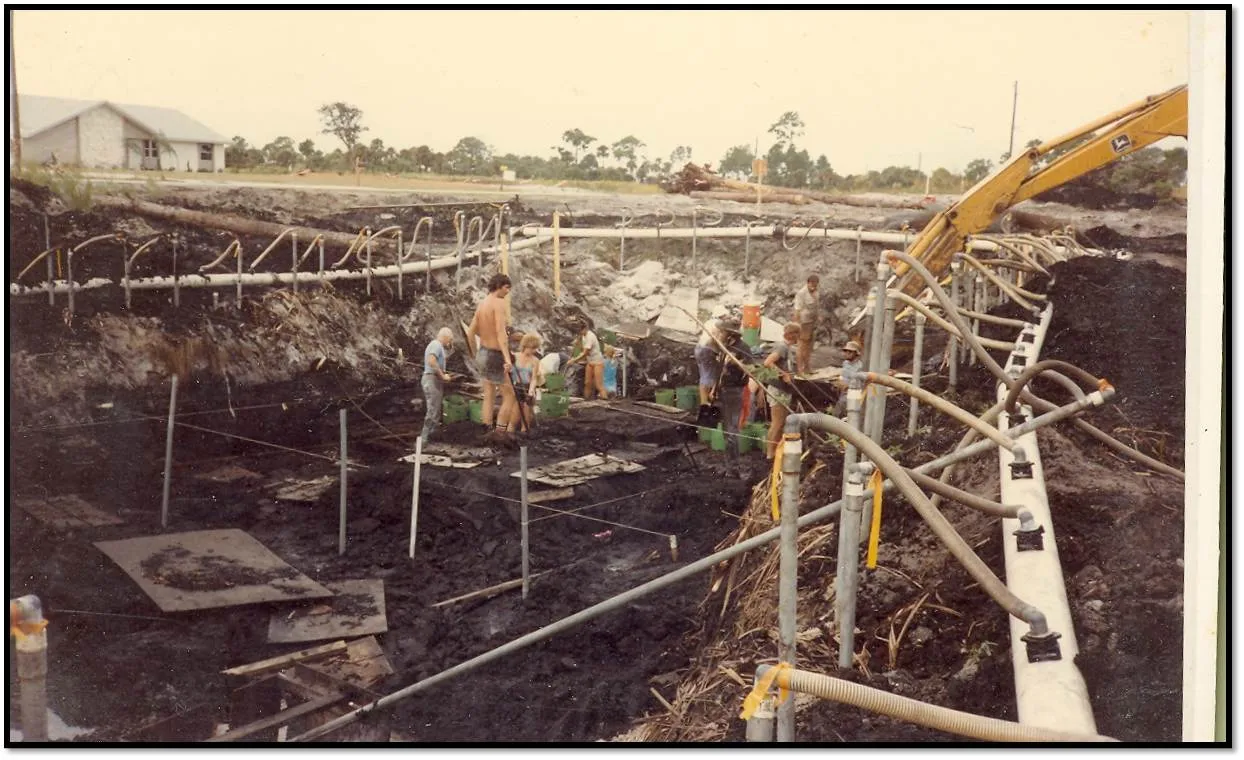
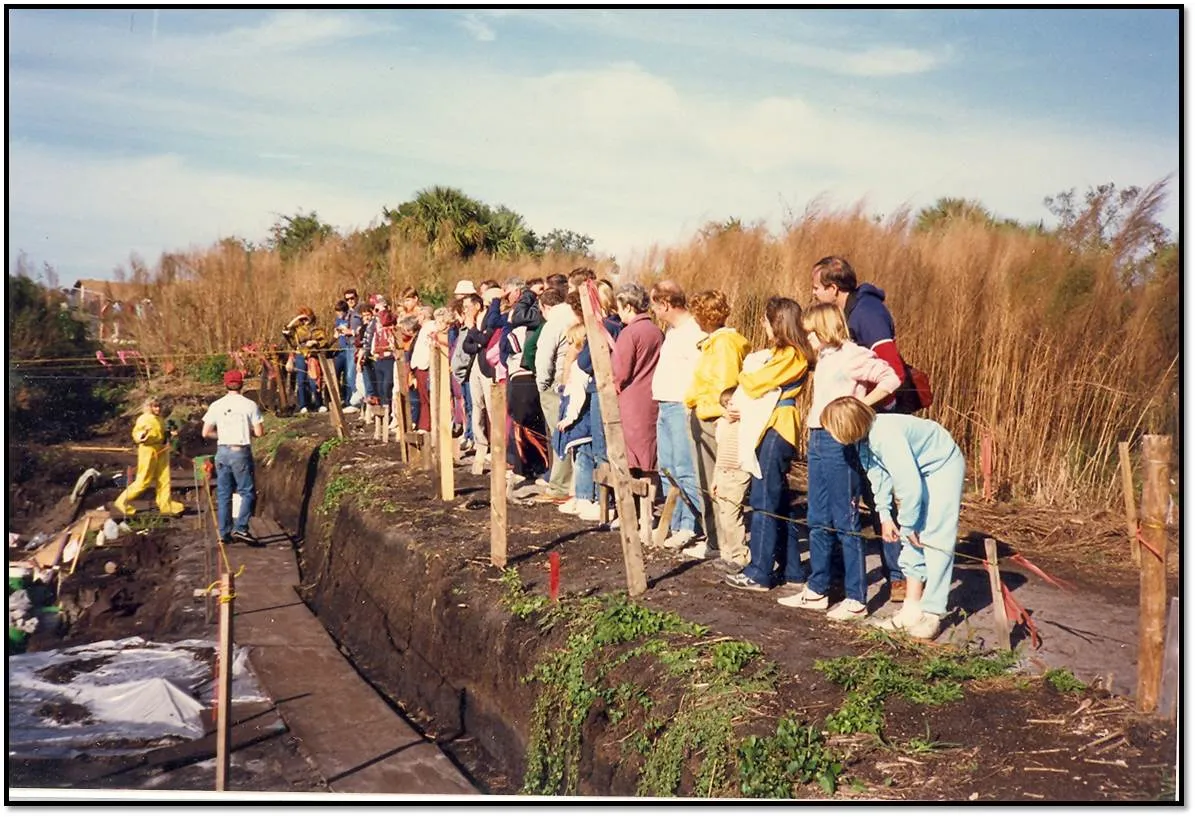
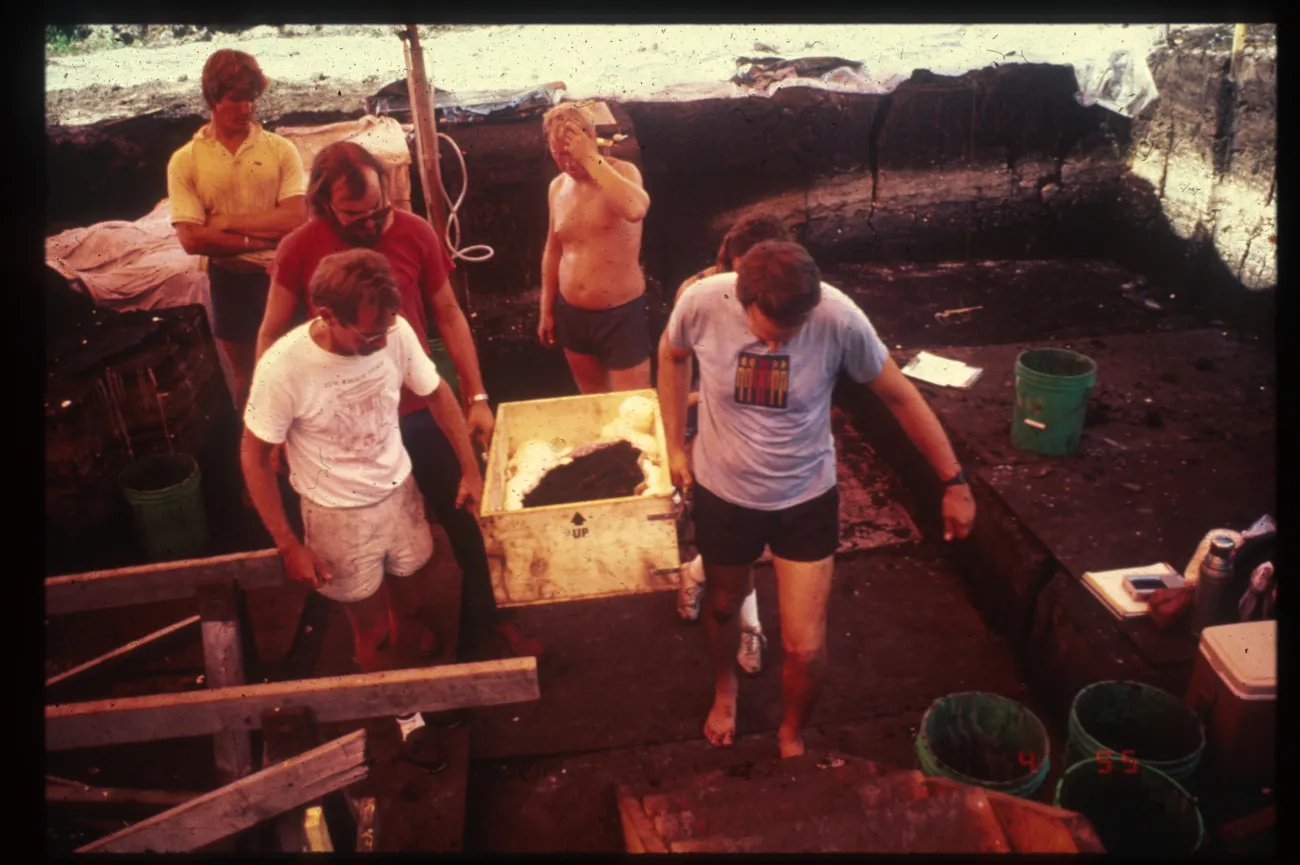
                  It took two years to raise the money to do a systematic excavation of the Windover site. Three archaeological “digs” were conducted at Windover between 1984 and 1986. The astounding discoveries that were made attracted international attention.

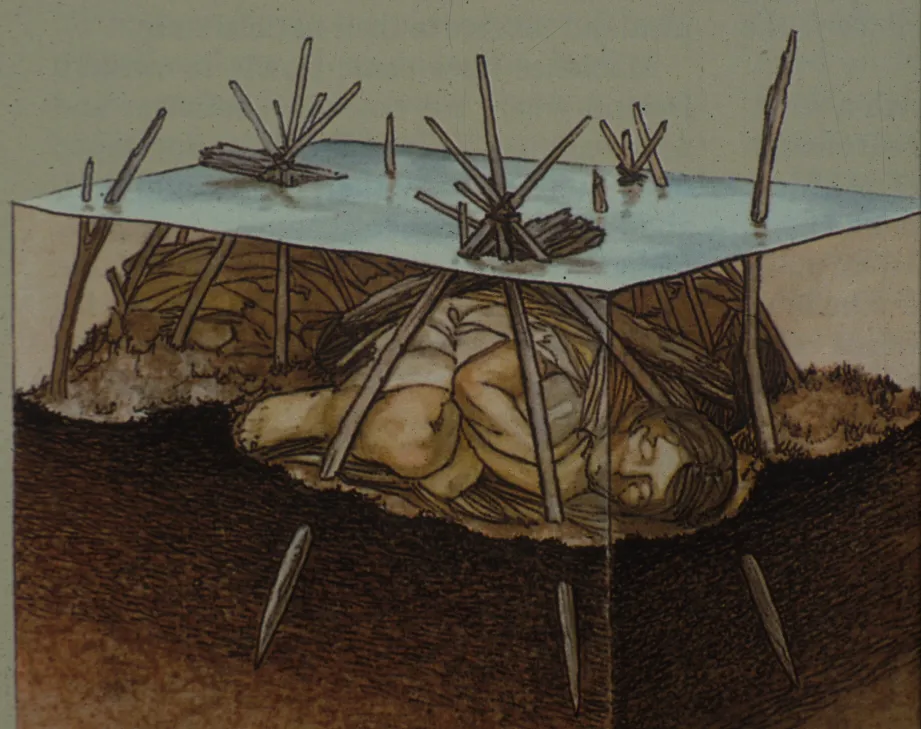
                  Nearly 200 separate, intact burials were excavated at the Windover site. With only a couple of exceptions, the bodies had been ritualistically buried and placed in the same fetal position, lying on the left side. The heads were pointed west, with their faces to the north. The deceased were wrapped in what archaeologists believe is the oldest existing woven fabric in the world. Several branches were lashed together to form a tripod that held each body submerged underwater, creating a pond cemetery.

                  The anaerobic environment of the peat bog combined with a remarkably favorable Ph balance in the pond allowed for amazingly well preserved burials. Archaeologists discovered that ninety-one of the skulls uncovered contained intact brain matter. The stomach contents of one ancient woman indicated that her last meal consisted of fish and berries. DNA tests on the ancient remains proved that the same families used the site as a burial ground for more than a century.

                  Other discoveries at the Windover Dig help add to our understanding of prehistoric people. The damaged and diseased condition of some of the bones indicated that incapacitated people of this tribe were cared for over long periods of time, even though they could not participate in activities essential to the survival of the group, such as hunting and fishing. Bottle gourds were used as vessels thousands of years before the creation of pottery, demonstrating that the prehistoric people of Windover were horticulturalists as well as agriculturalists. The atlatl was a tool that helped hunters to throw their spears great distances with more strength and accuracy.

                  Life for the prehistoric people of Florida was difficult. About half of the remains found at Windover were children, and the oldest people found were about 60. We have no way of knowing what their spiritual beliefs were, but the ritualistic burials suggest that the people of Windover probably believed in an afterlife.

                  Although they lived more than 7,000 years ago, the people of Windover had fully developed brains. They resembled modern people, experiencing the same grief we feel at the passing of a loved one.

                  To find out more about the Windover Dig visit the Brevard Museum of History and Natural Science at 2201 Michigan Avenue in Cocoa, and read the book Life and Death at Windover: Excavations of a 7,000-Year-Old Pond Cemetery by Dr. Rachel K. Wentz.

                  Dr. Ben Brotemarkle is producer and host of “Florida Frontiers: The Weekly Radio Magazine of the Florida Historical Society,” broadcast locally on 90.7 WMFE Thursday evenings at 6:30 and Sunday afternoons at 4:00, and on 89.5 WFIT Sunday mornings at 7:00.


                  Relevant Videos
                  PDF file(s)
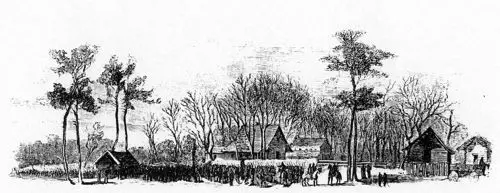
                  The Civil War was the bloodiest conflict on American soil. Florida was deeply involved in every aspect of the conflict. Thousands of Floridians fought for both the Union and Confederate Armies and Navies. The primary catalyst for war was the election of President Abraham Lincoln in 1860. Many Floridians feared President Lincoln would abolish slavery, thus upsetting the social and economic system of the state.  At the center of this large-scale conflict was the Civil War soldier. Of the thousands of Floridians that went off to war, many never returned.
                  Tags
                  The Civil War official ended in April of 1865, yet the county had been torn apart both literally and figuratively. Much of the infrastructure and economy in the southern states were devastated. Tens of thousands of wounded soldiers struggled to return home and return to civilian life but the problem of readmitting the Confederate state back into the Union was complicated and fraught with difficulty. For years after the last shots were fired, many former Confederate states including Florida were under military rule.