Episode Number
9
Program Date
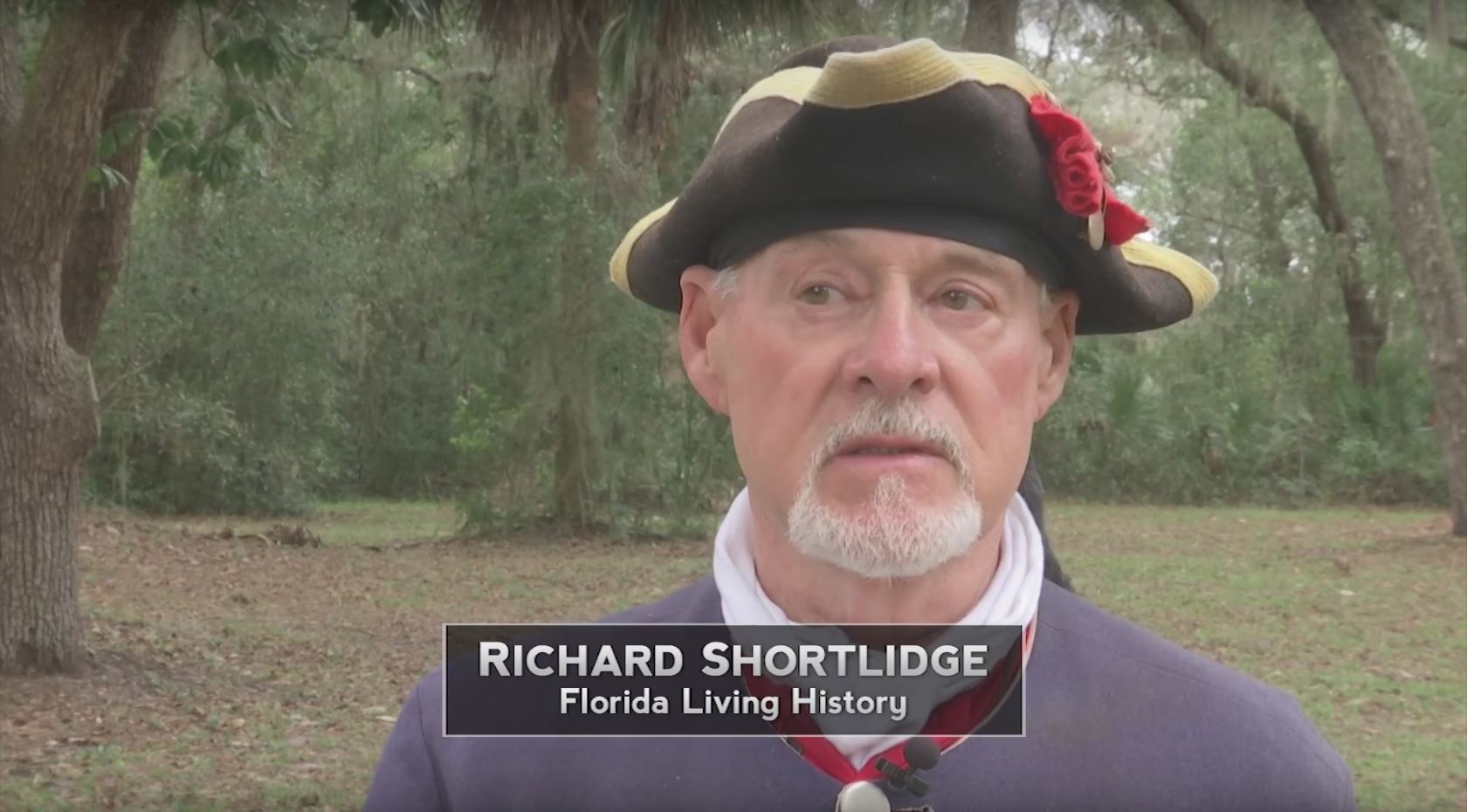
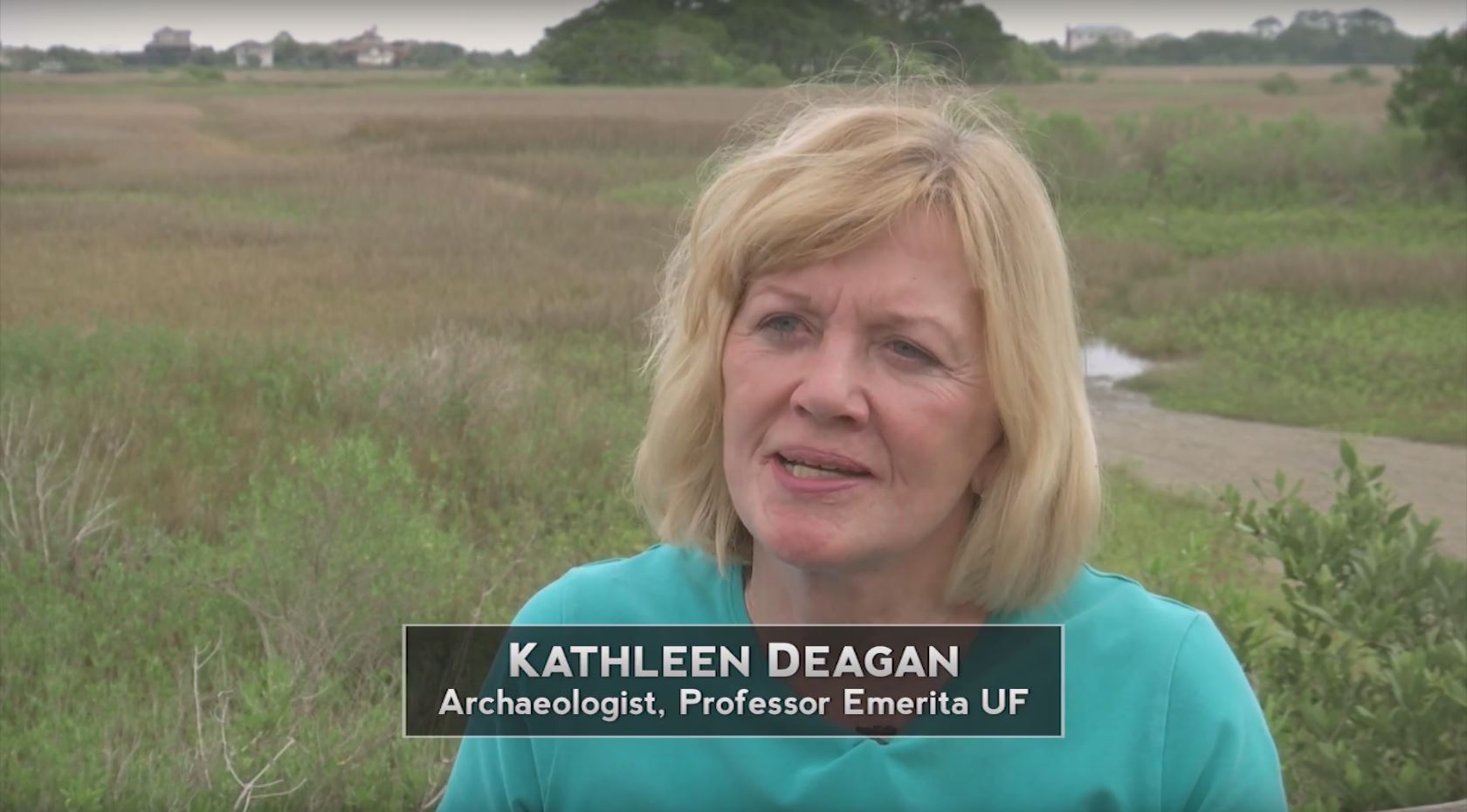
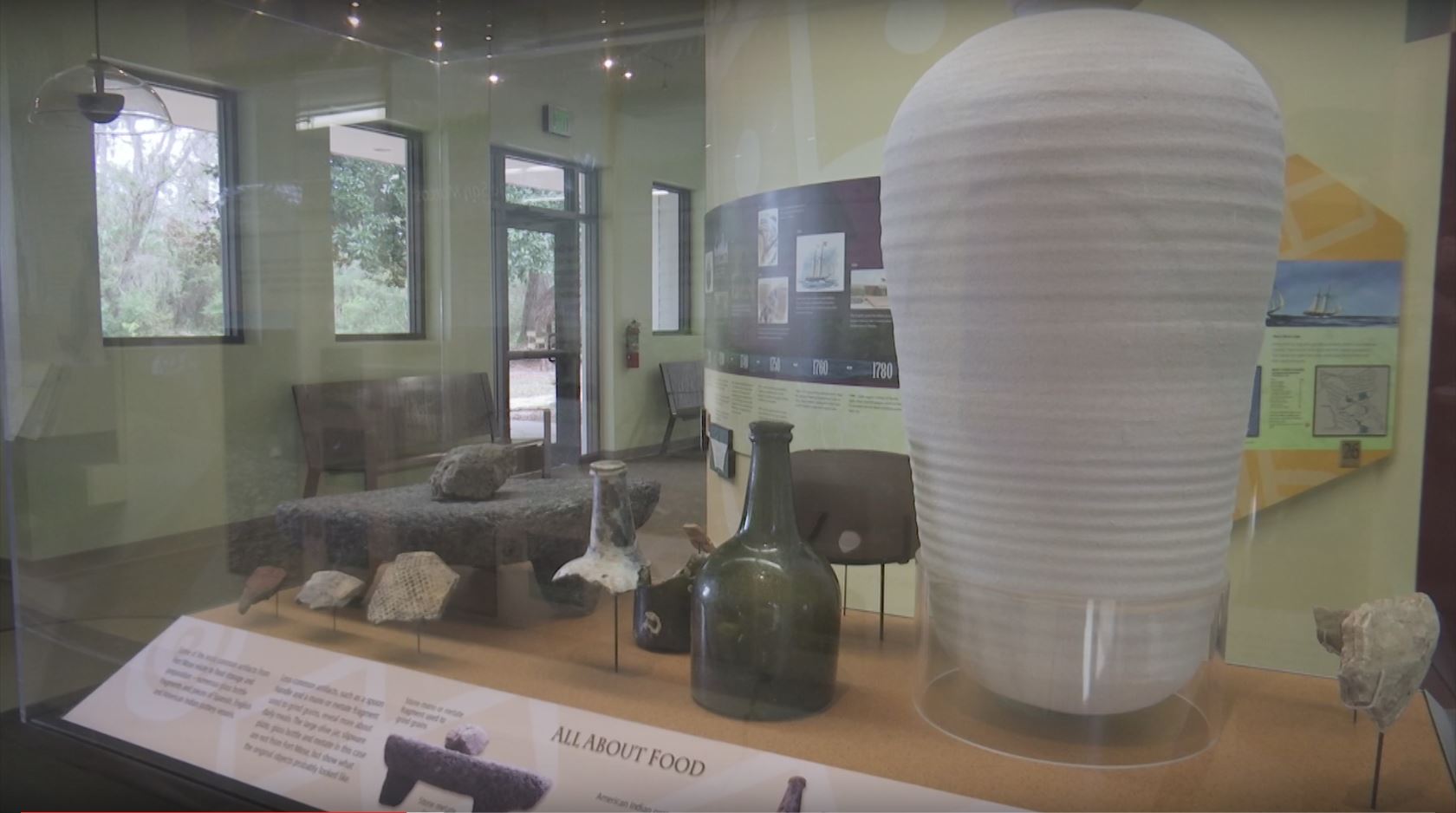
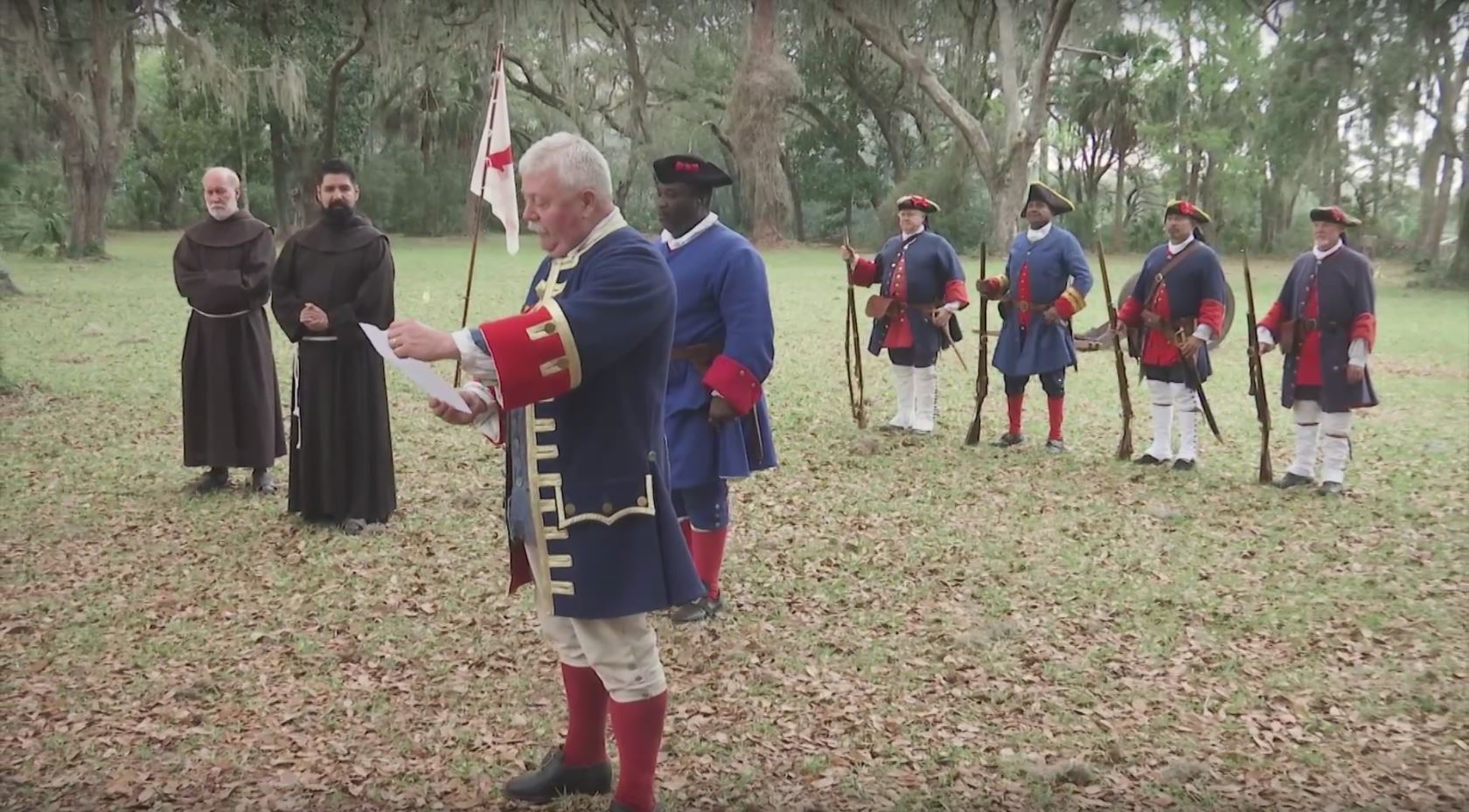
  • Fort Mose


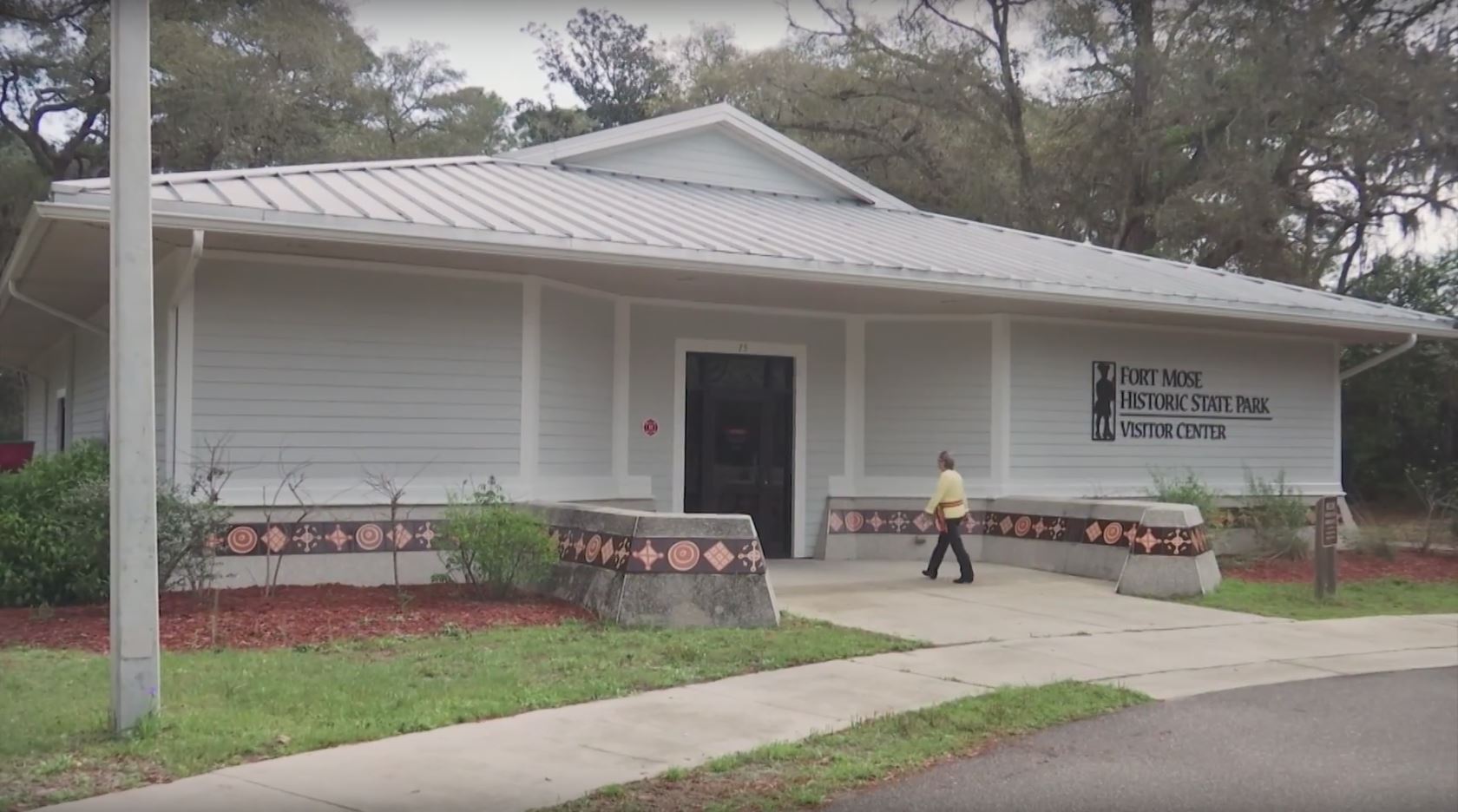
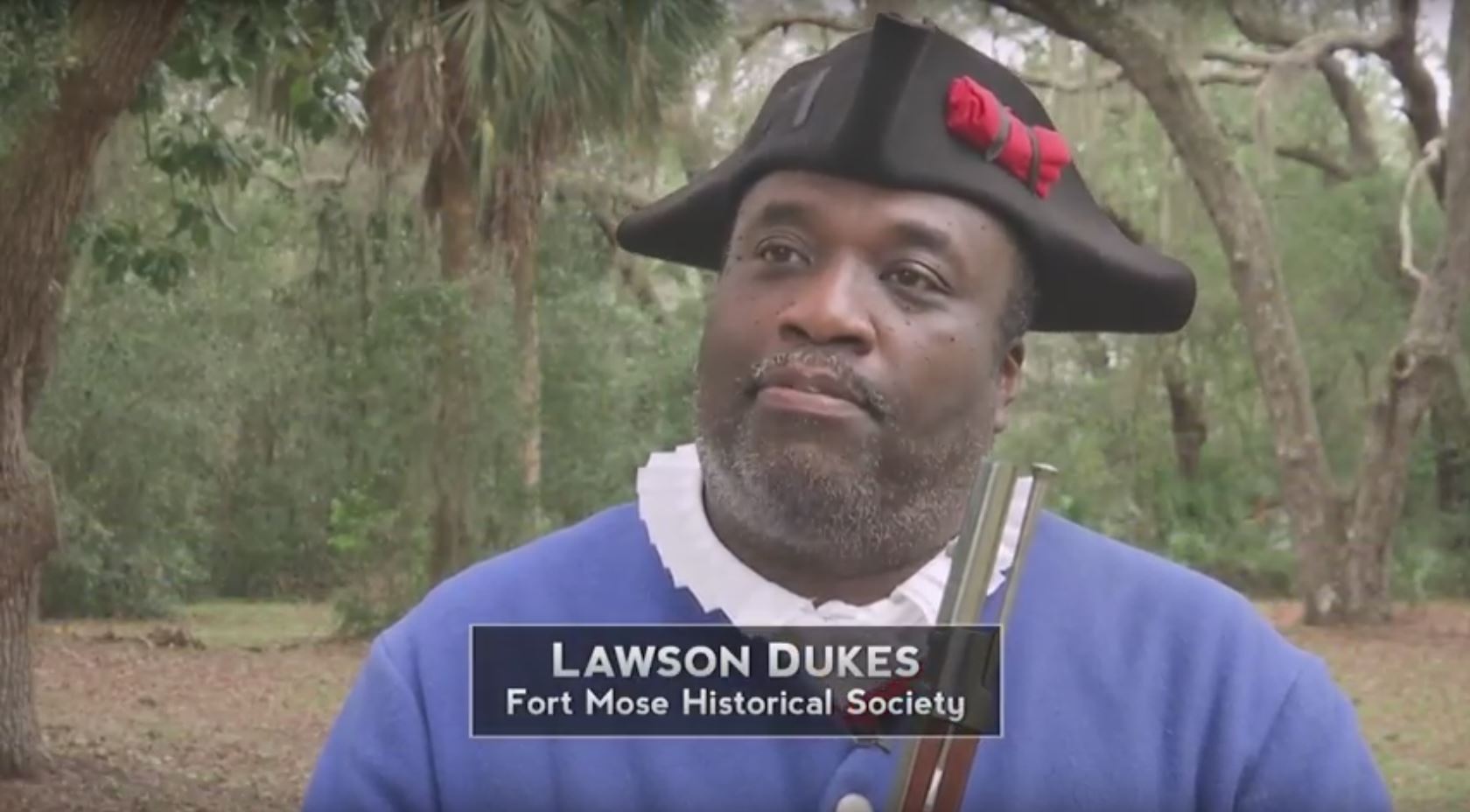
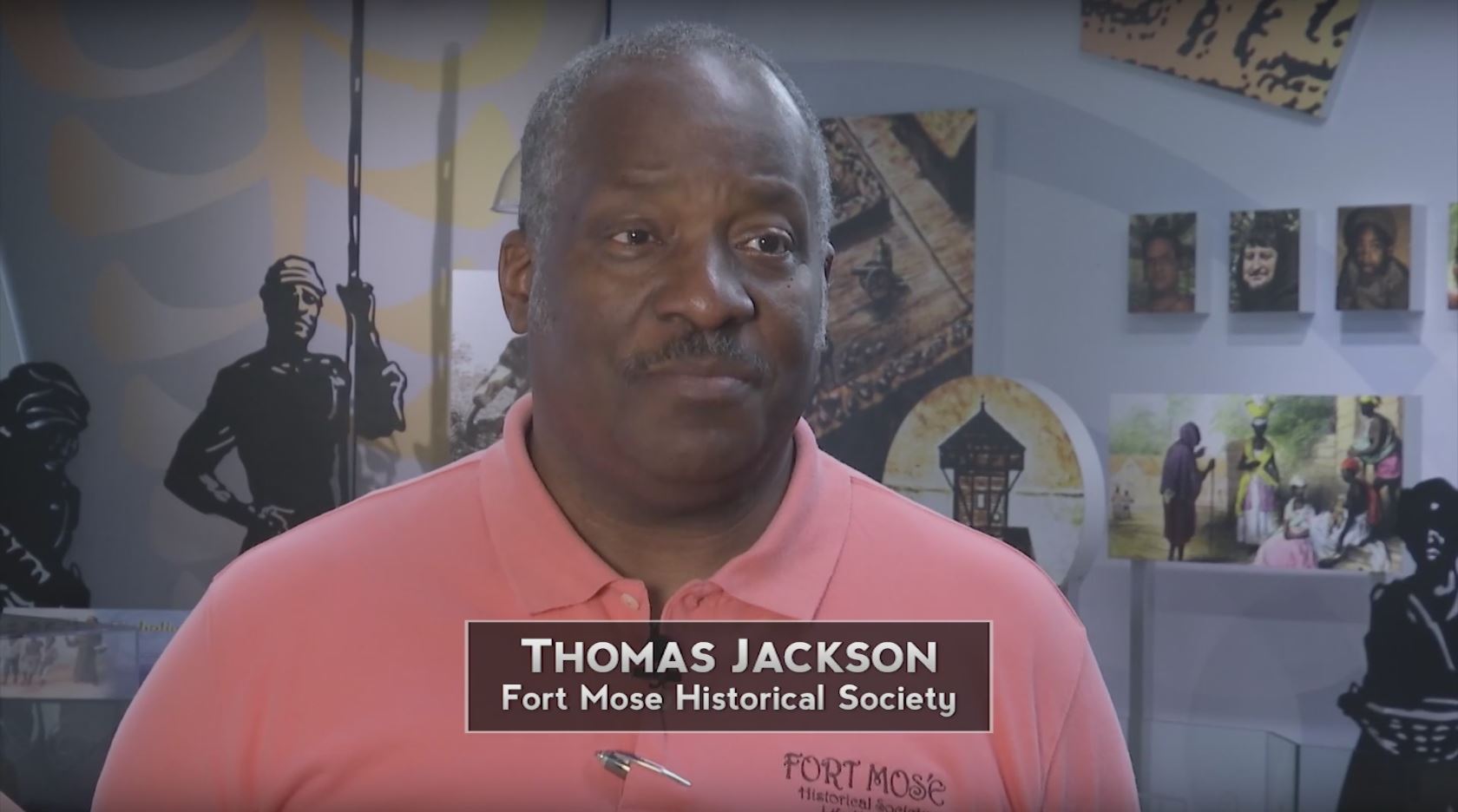
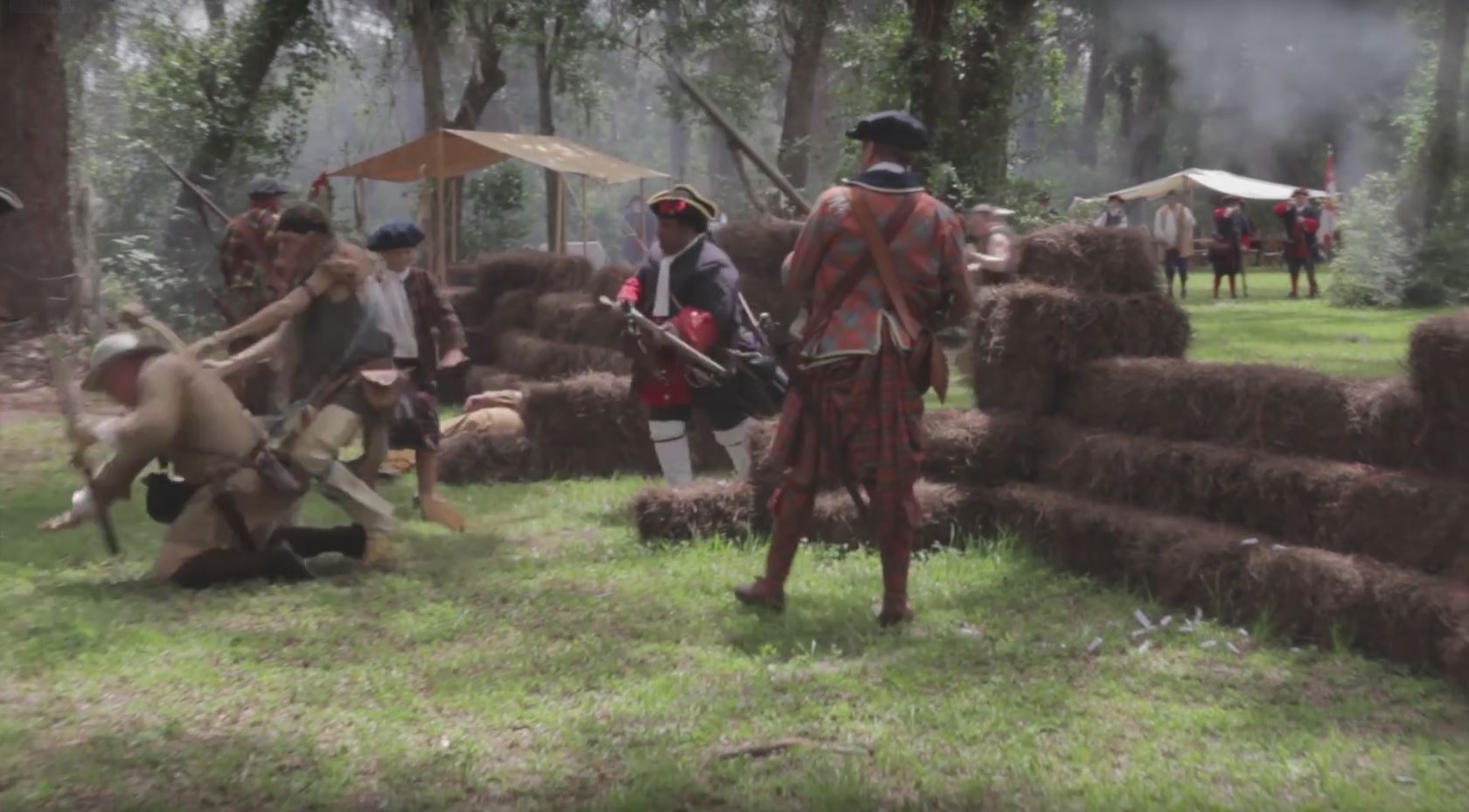
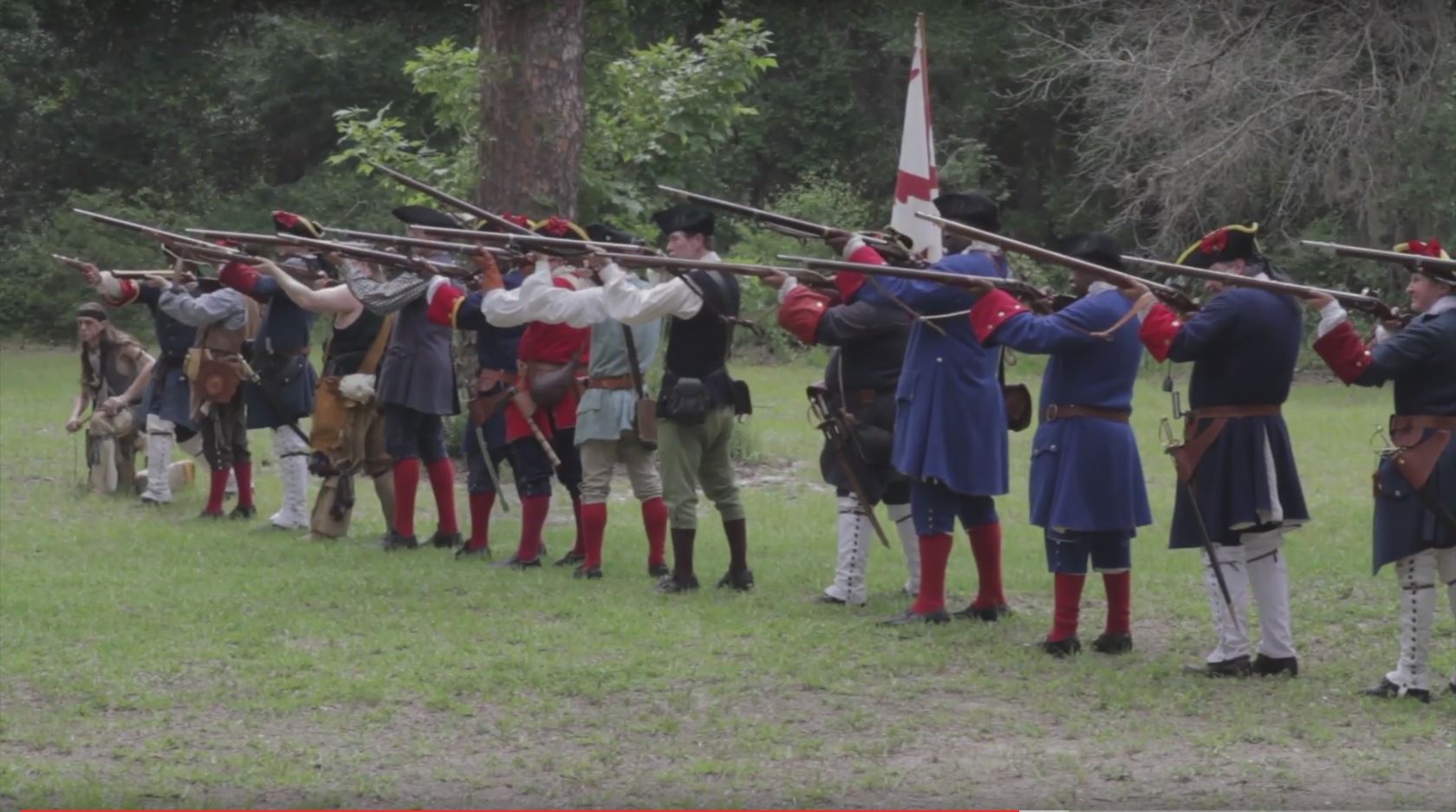
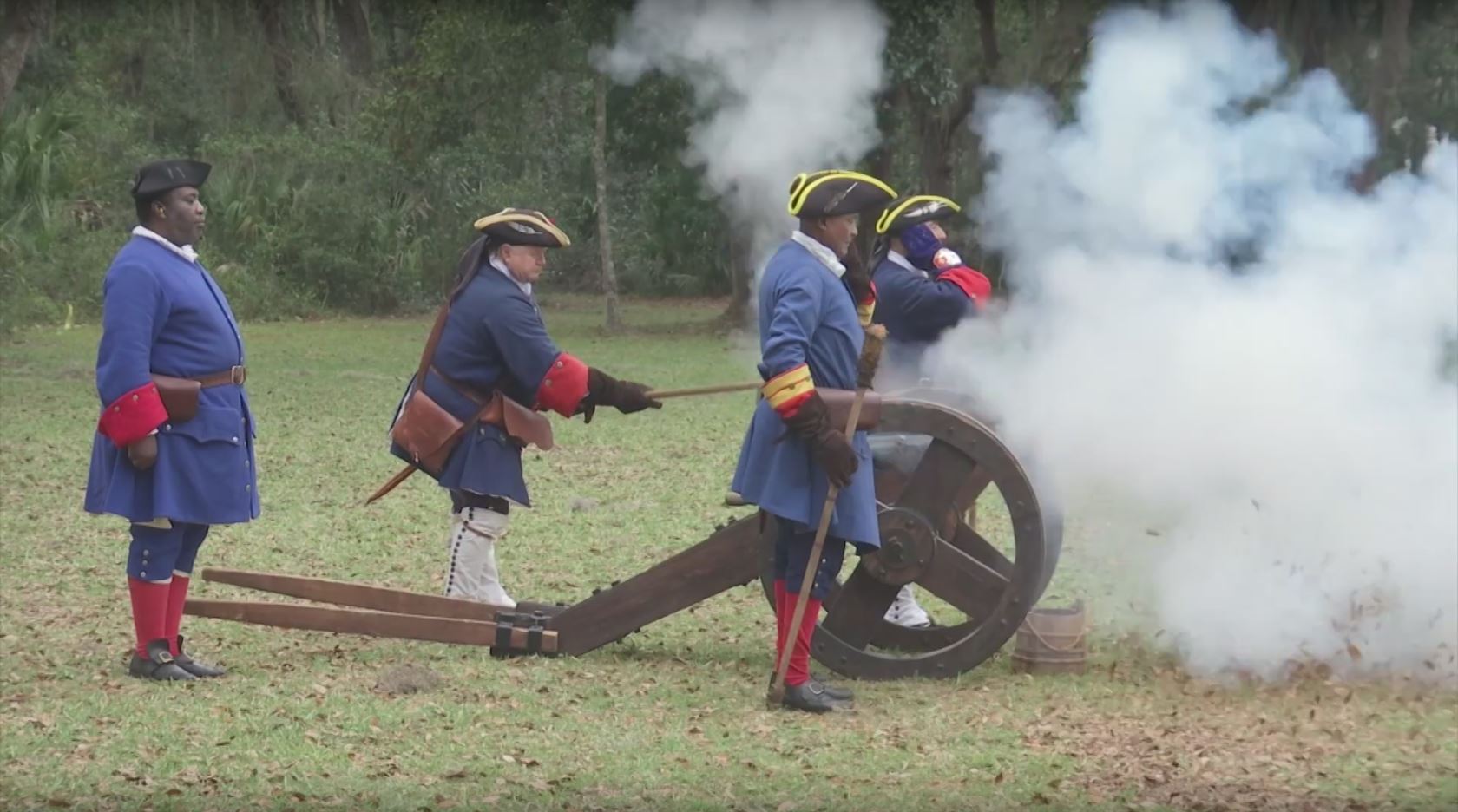
    Established near St. Augustine in 1738, Gracia Real de Santa Teresa de Mose was the first community of former slaves.

    FHS thanks our Supporters

    Episode Number
    8
    Program Date


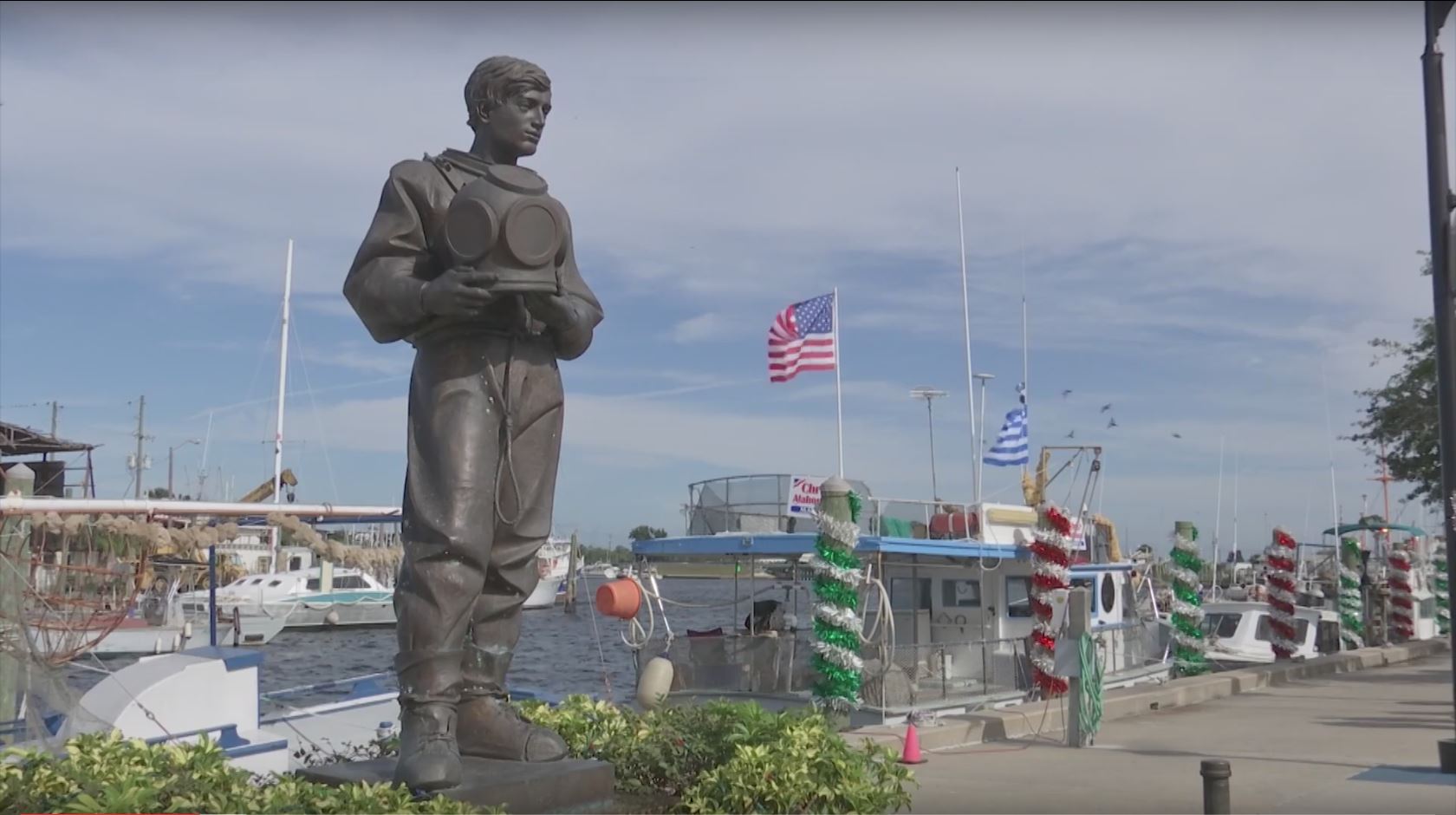
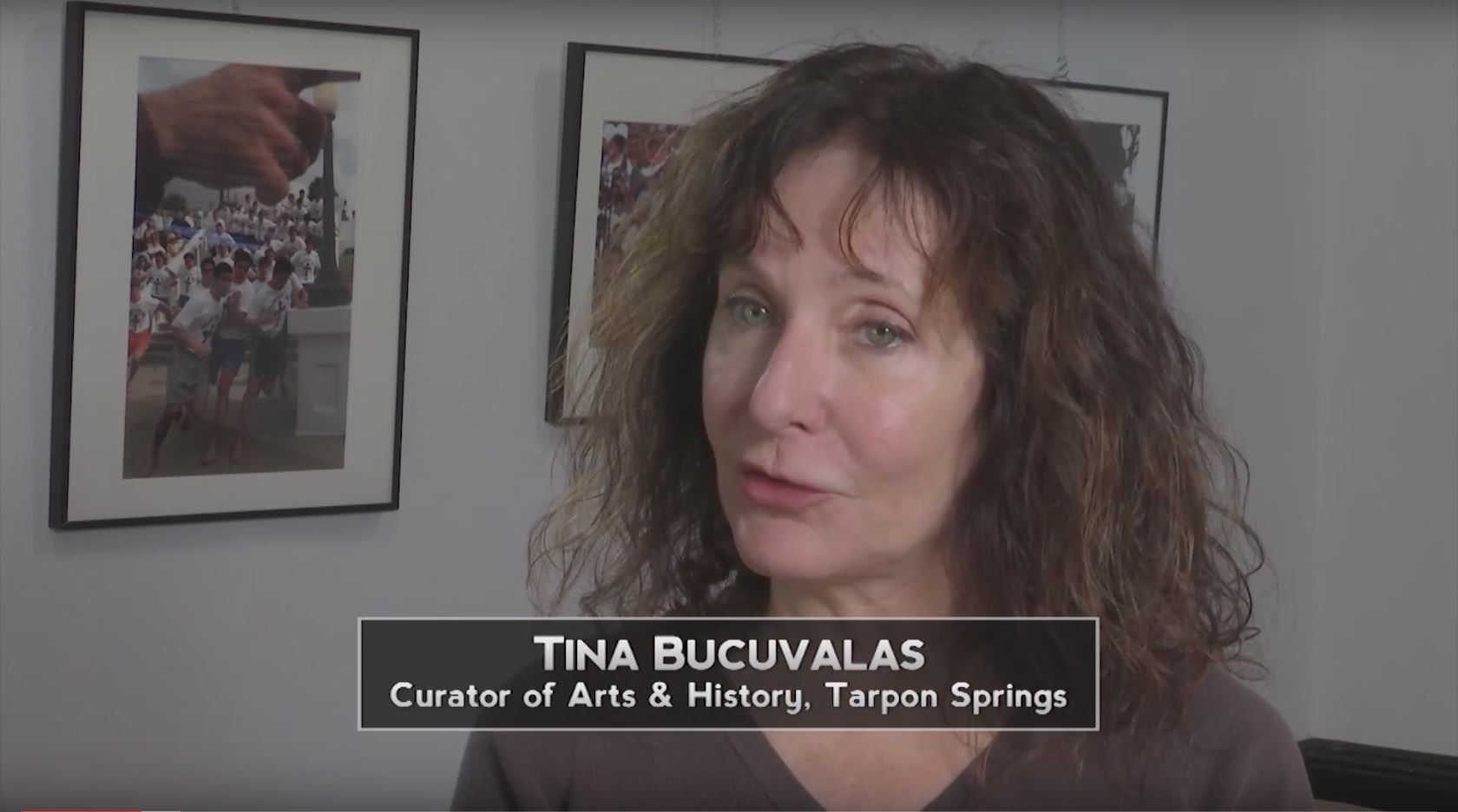
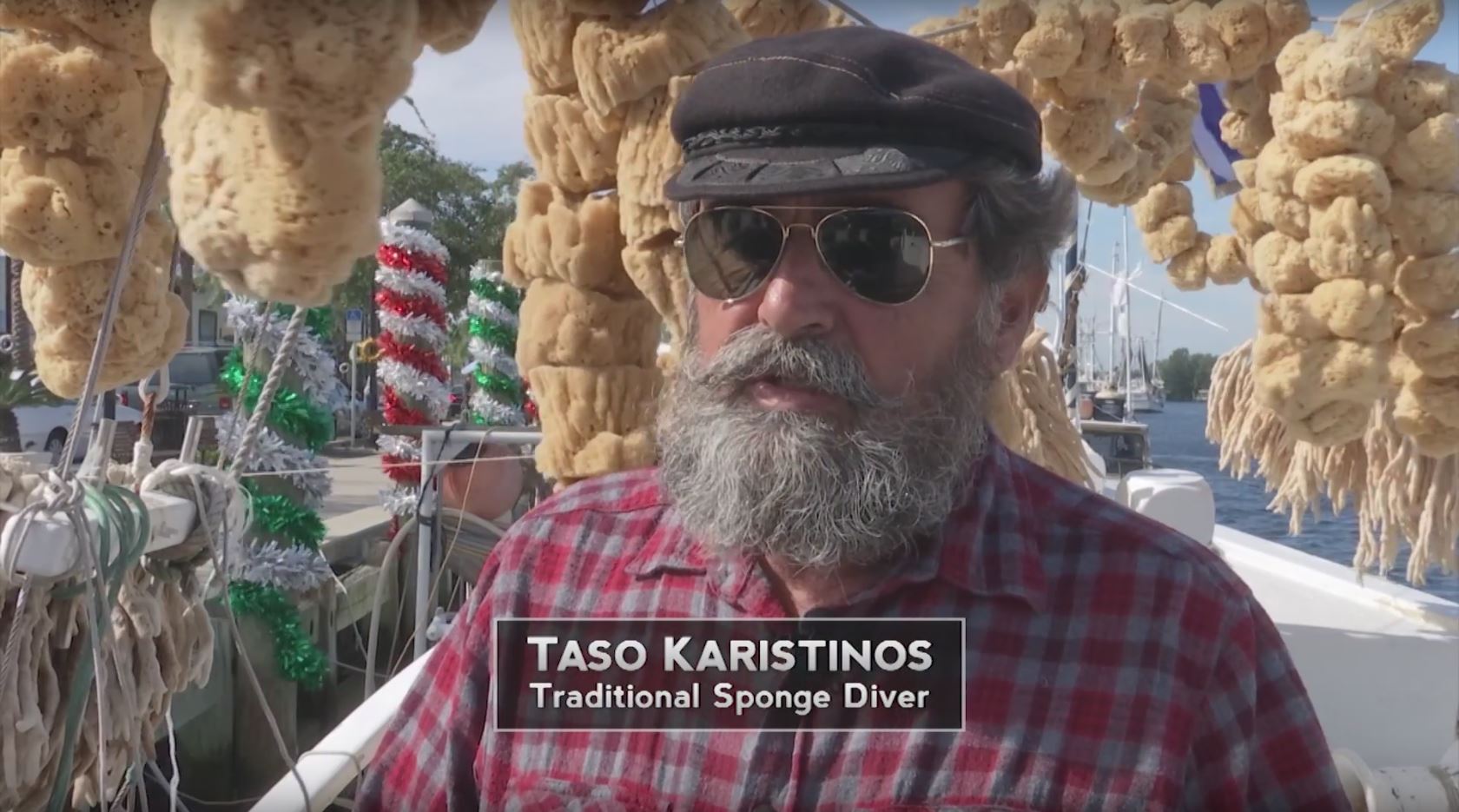
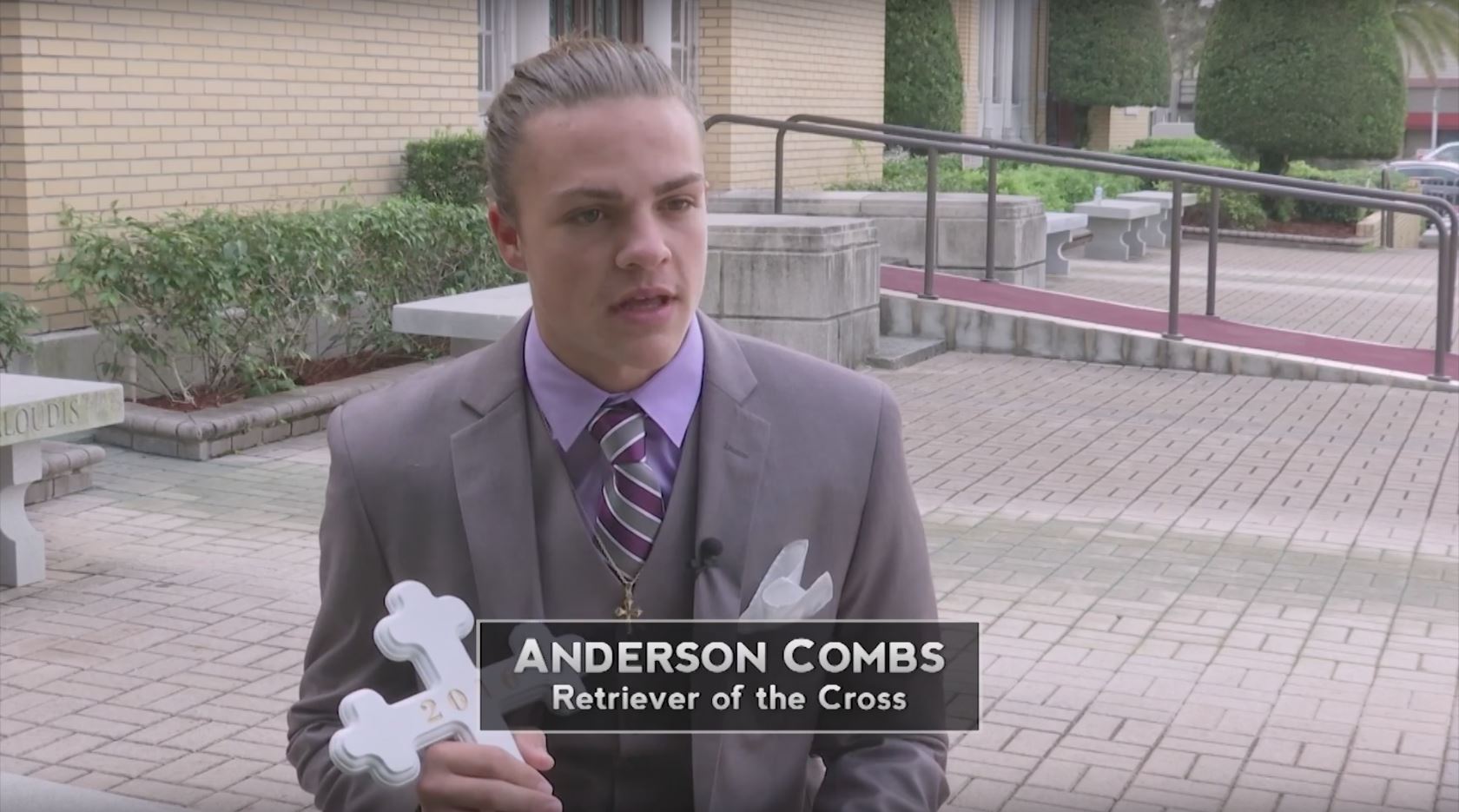
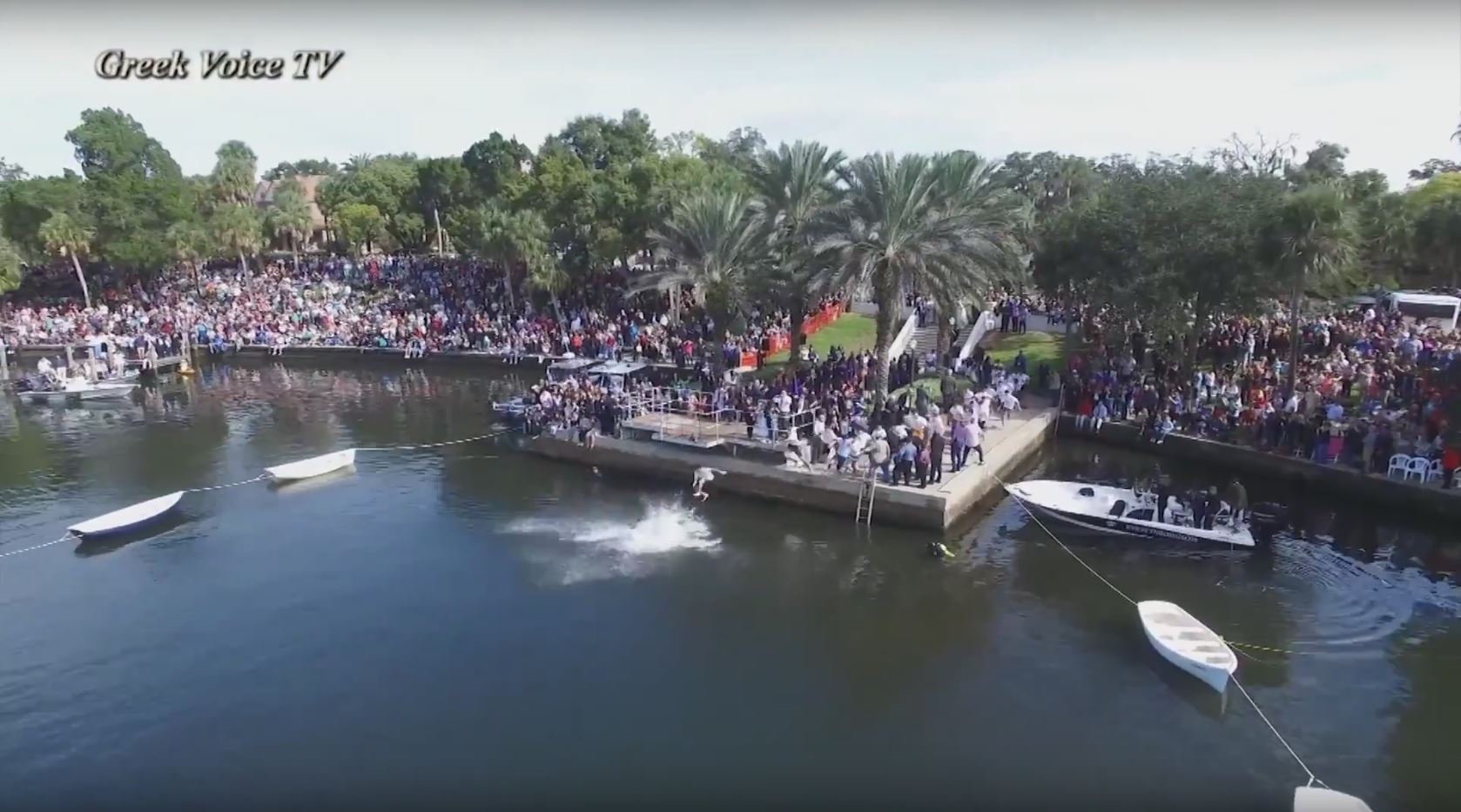
      Hundreds of Greek sponge divers and their families moved to Tarpon Springs, Florida in 1905. Today, there are more Greek people per capita in Tarpon Springs than in any other American city. We explore the history of Greek culture and the annual Epiphany celebration in Tarpon Springs.

      FHS thanks our Supporters

      Episode Number
      7
      Program Date
      • Florida Frontiers TV - Episode 7 - The Barber-Mizell Family Feud

      • Florida Frontiers TV - Episode 7 - The Barber-Mizell Family Feud

      • Florida Frontiers TV - Episode 7 - The Barber-Mizell Family Feud

      • Florida Frontiers TV - Episode 7 - The Barber-Mizell Family Feud


        On February 21, 1870, Sheriff David Mizell, his son Will, and brother Morgan went onto the property of Moses Barber to serve an arrest warrant. Tensions between the Barbers and Mizells had been growing for years, and the Sheriff had been warned that if he set foot on Barber land he would be killed. When the group stopped at Bull Creek, a shot was fired from behind some bushes. Sheriff Mizell was killed, becoming the first casualty of this long-running feud.

        FHS thanks our Supporters

        Episode Number
        6
        Program Date
        • Florida Frontiers TV - Episode 6 - The Lost Years of Zora Neale Hurston

        • Florida Frontiers TV - Episode 6 - The Lost Years of Zora Neale Hurston

        • Florida Frontiers TV - Episode 6 - The Lost Years of Zora Neale Hurston

        • Florida Frontiers TV - Episode 6 - The Lost Years of Zora Neale Hurston


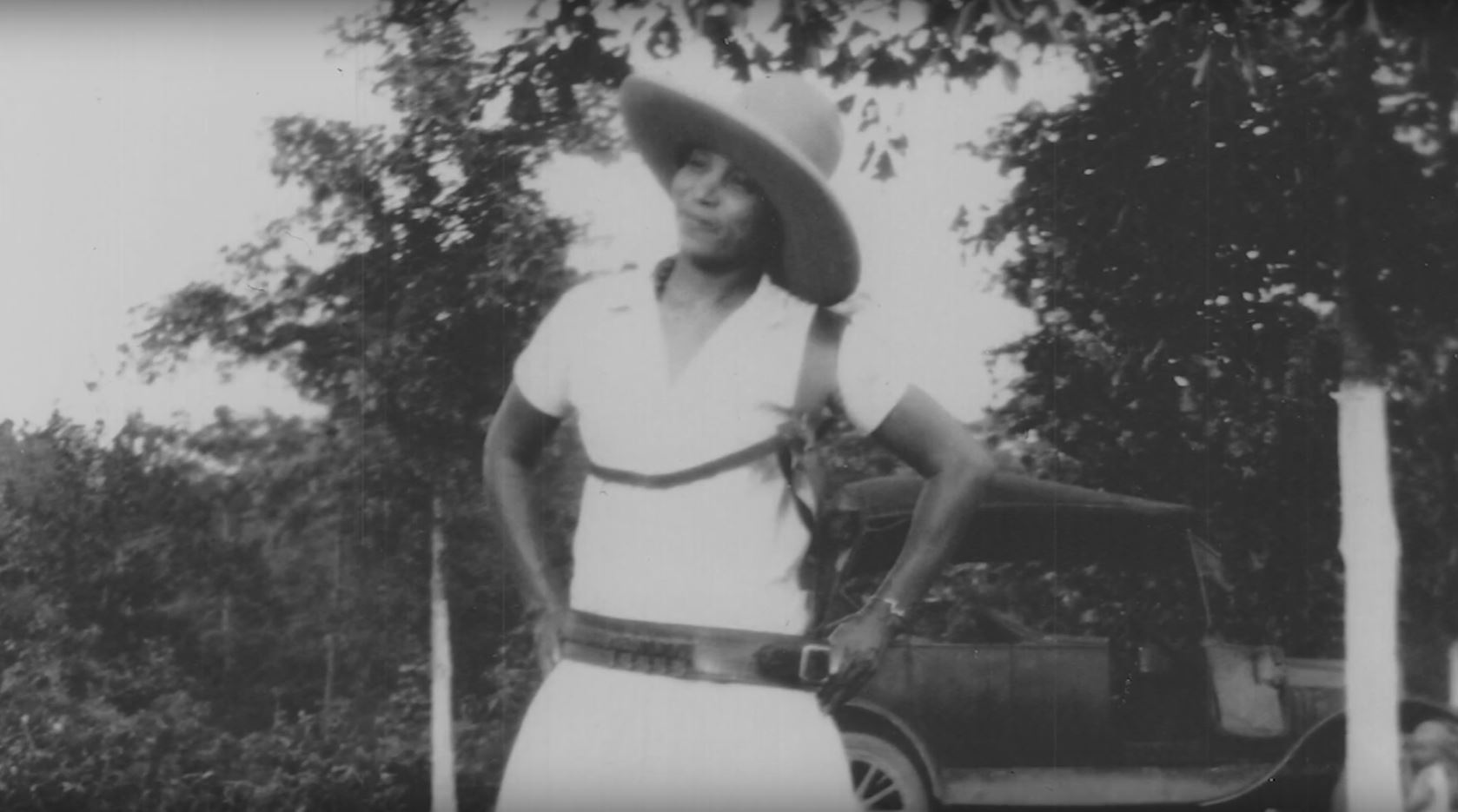
          Florida writer, folklorist, and anthropologist Zora Neale Hurston was one of the most celebrated figures of the Harlem Renaissance, but died in obscurity.

          FHS thanks our Supporters

          Episode Number
          5
          Program Date


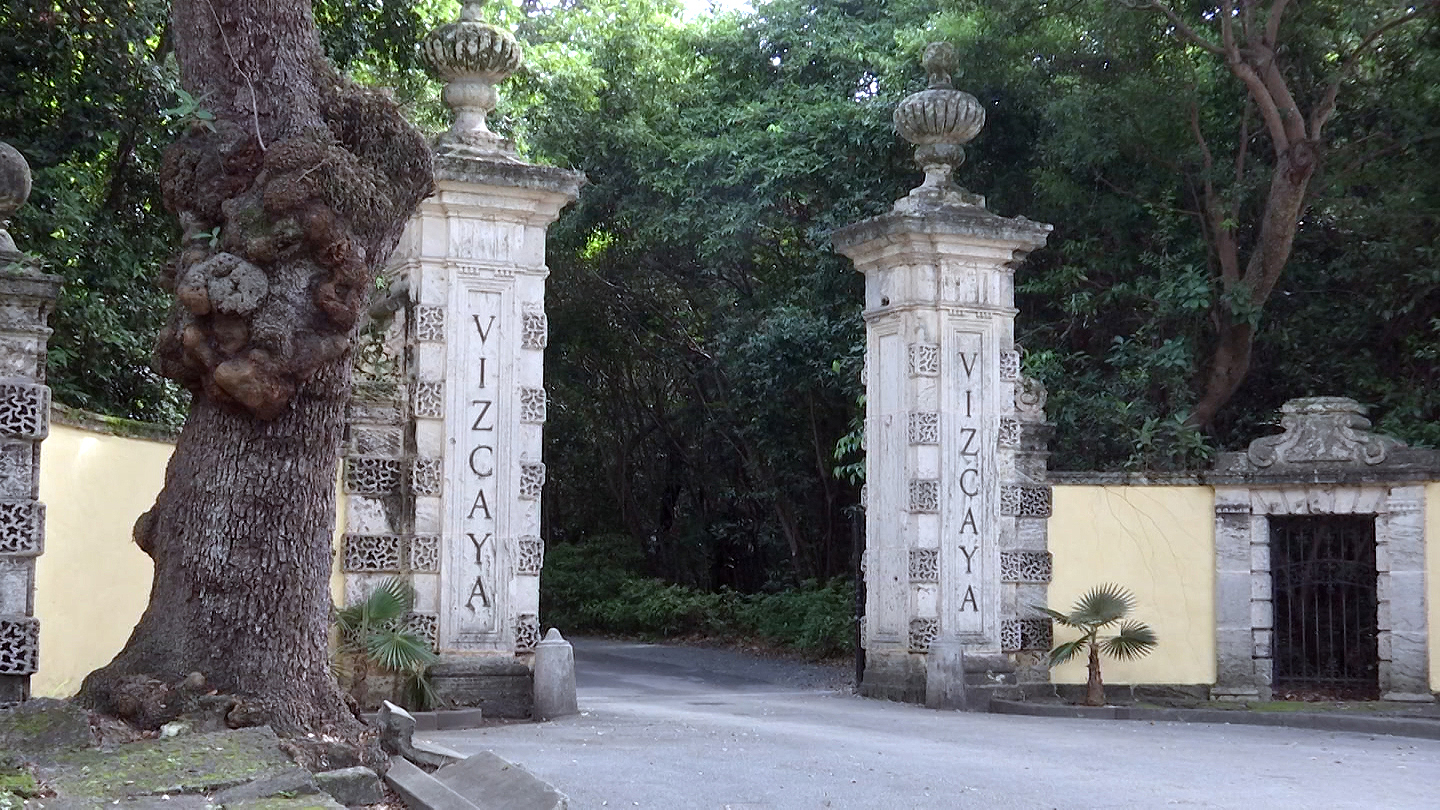
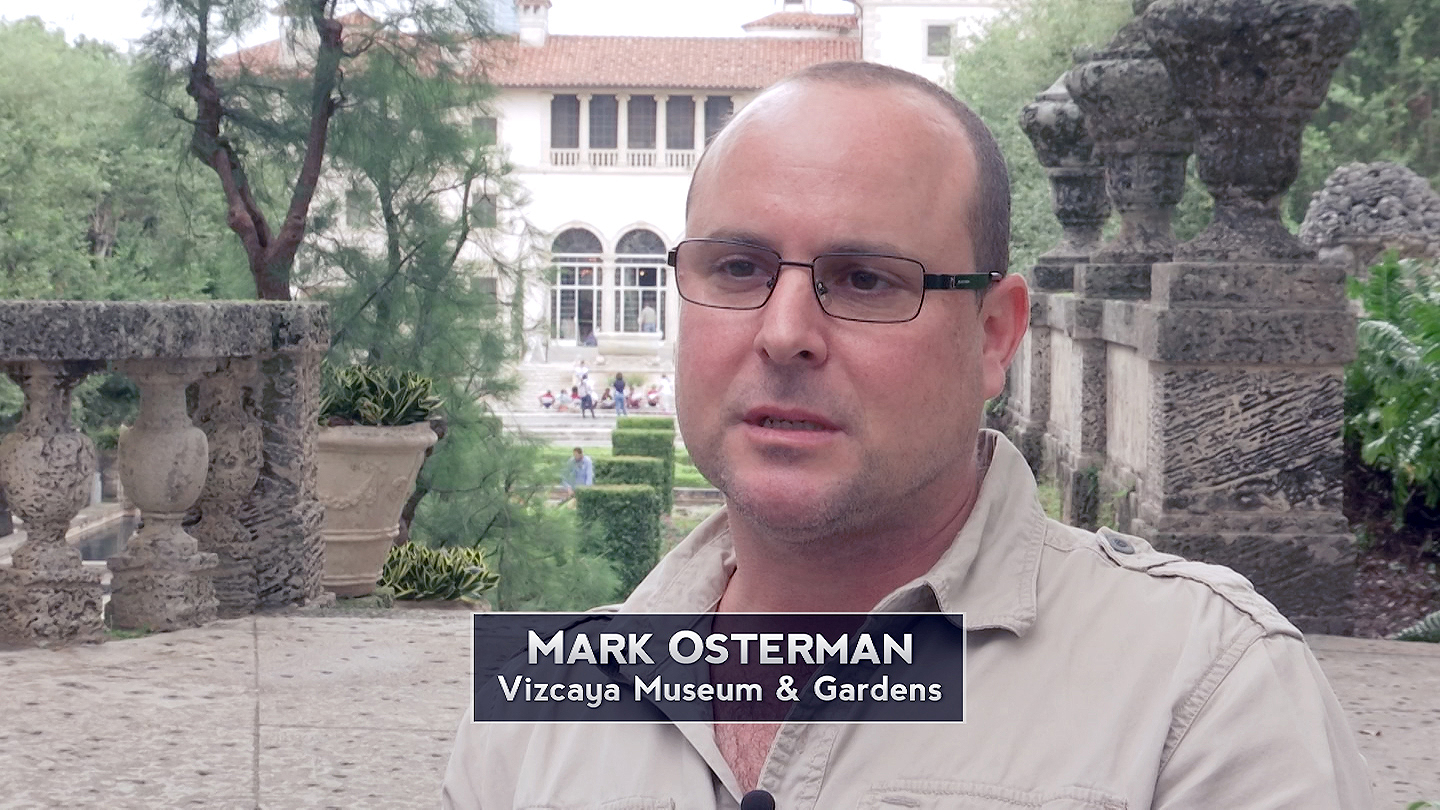
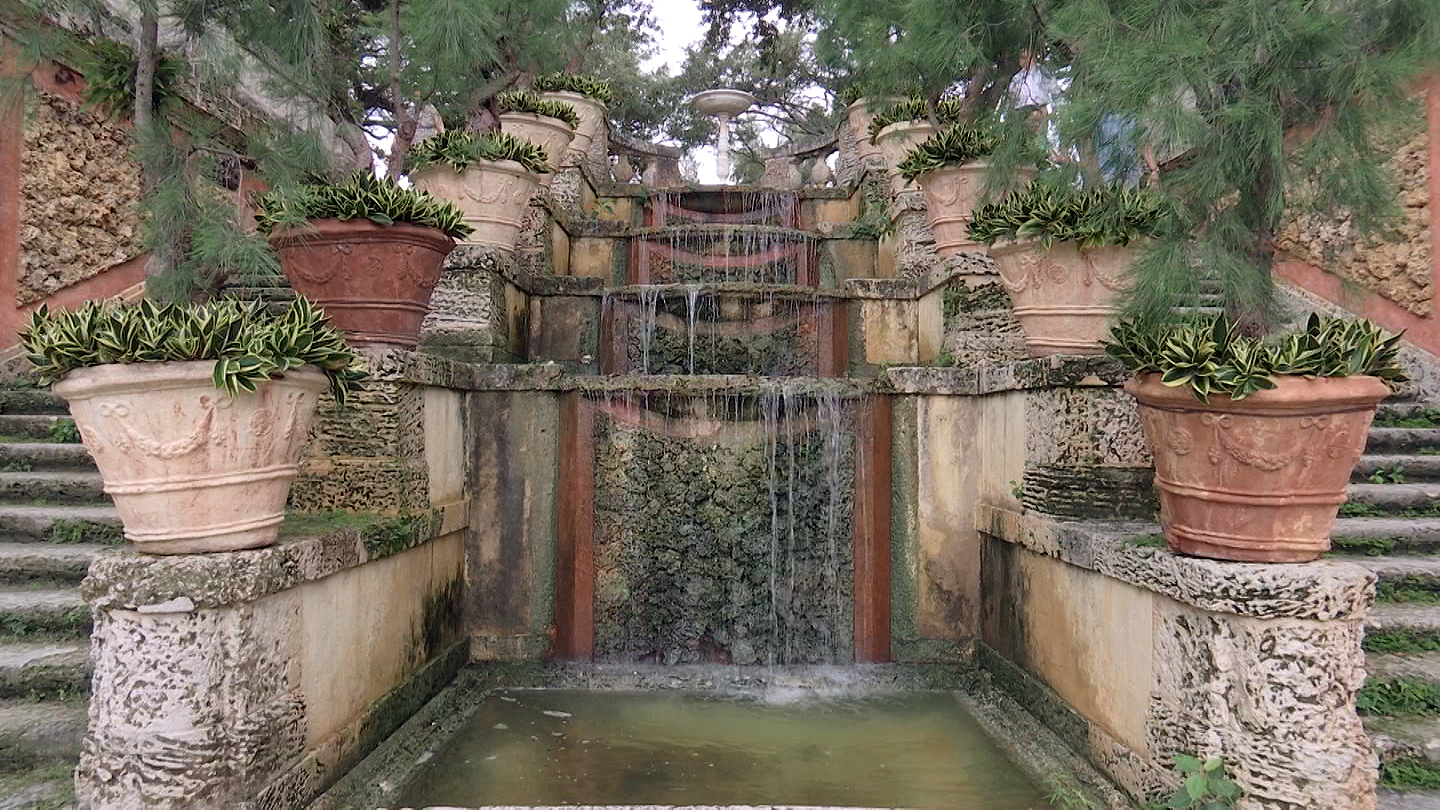
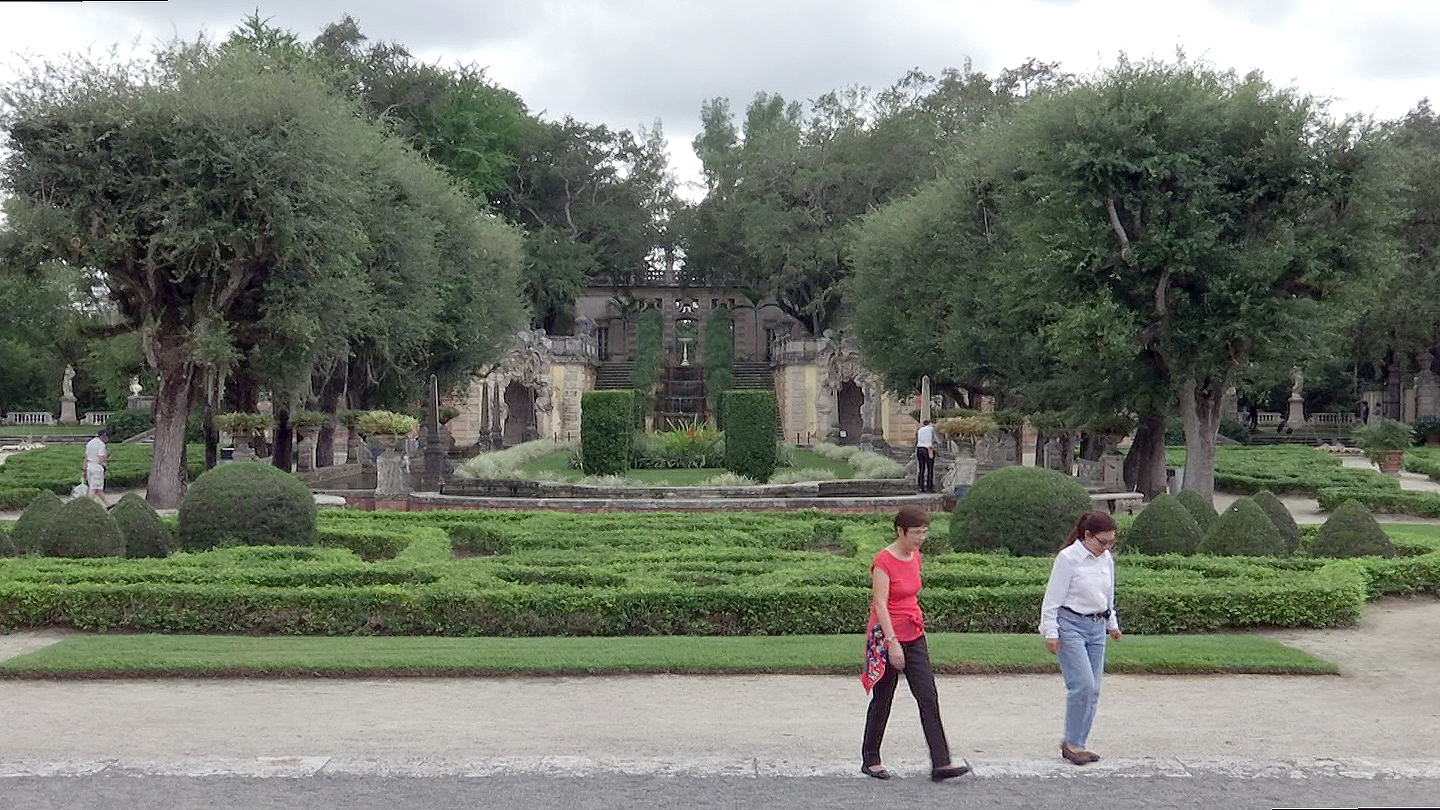
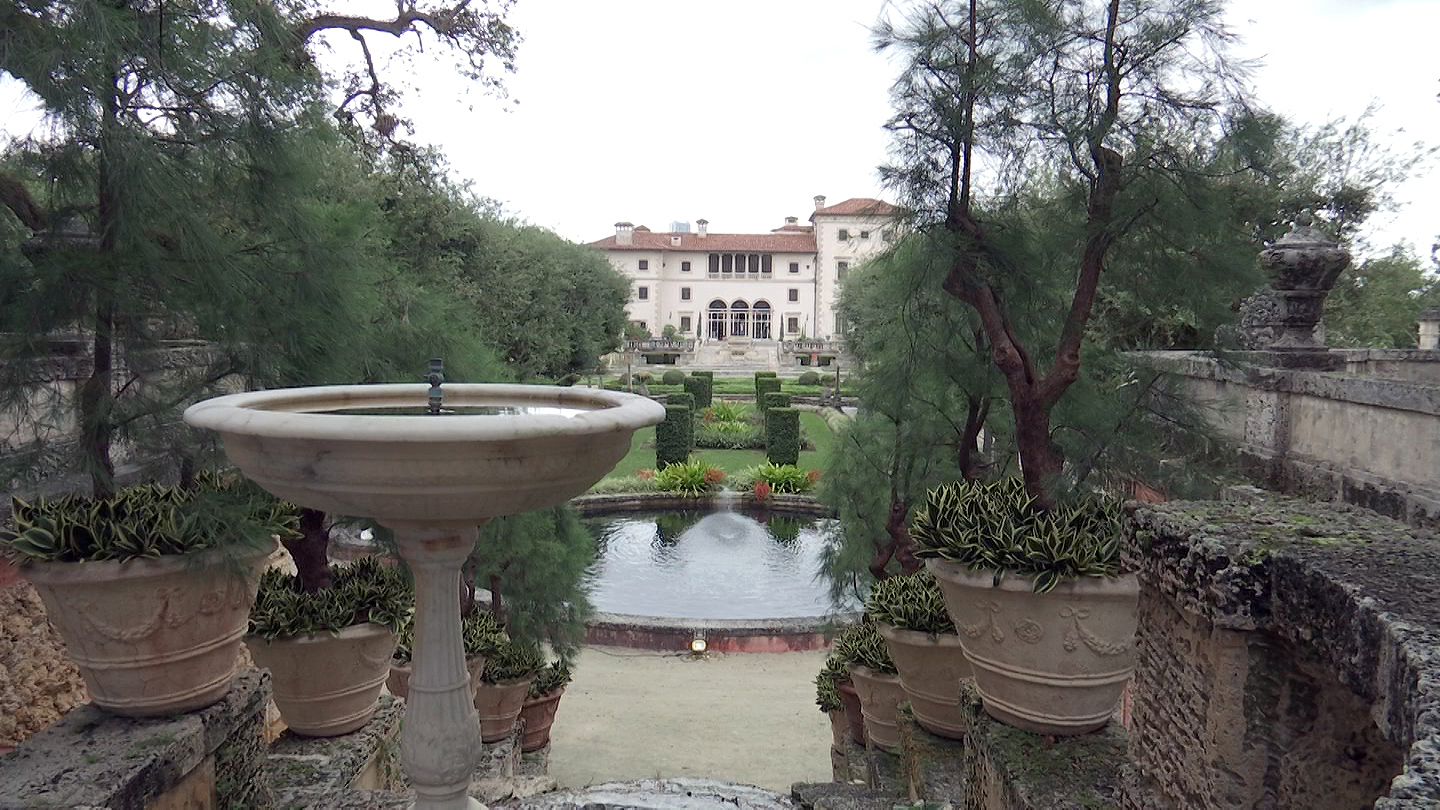
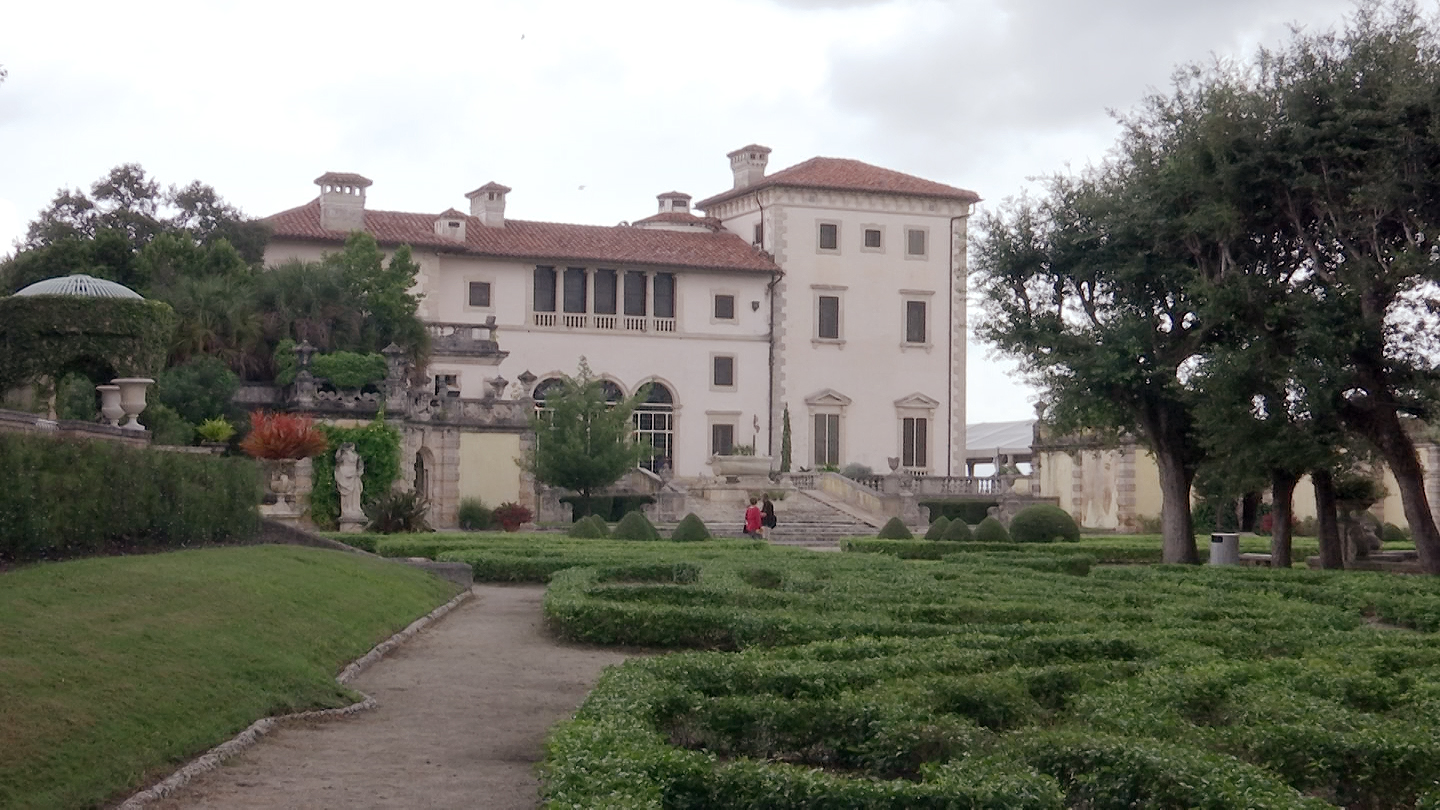
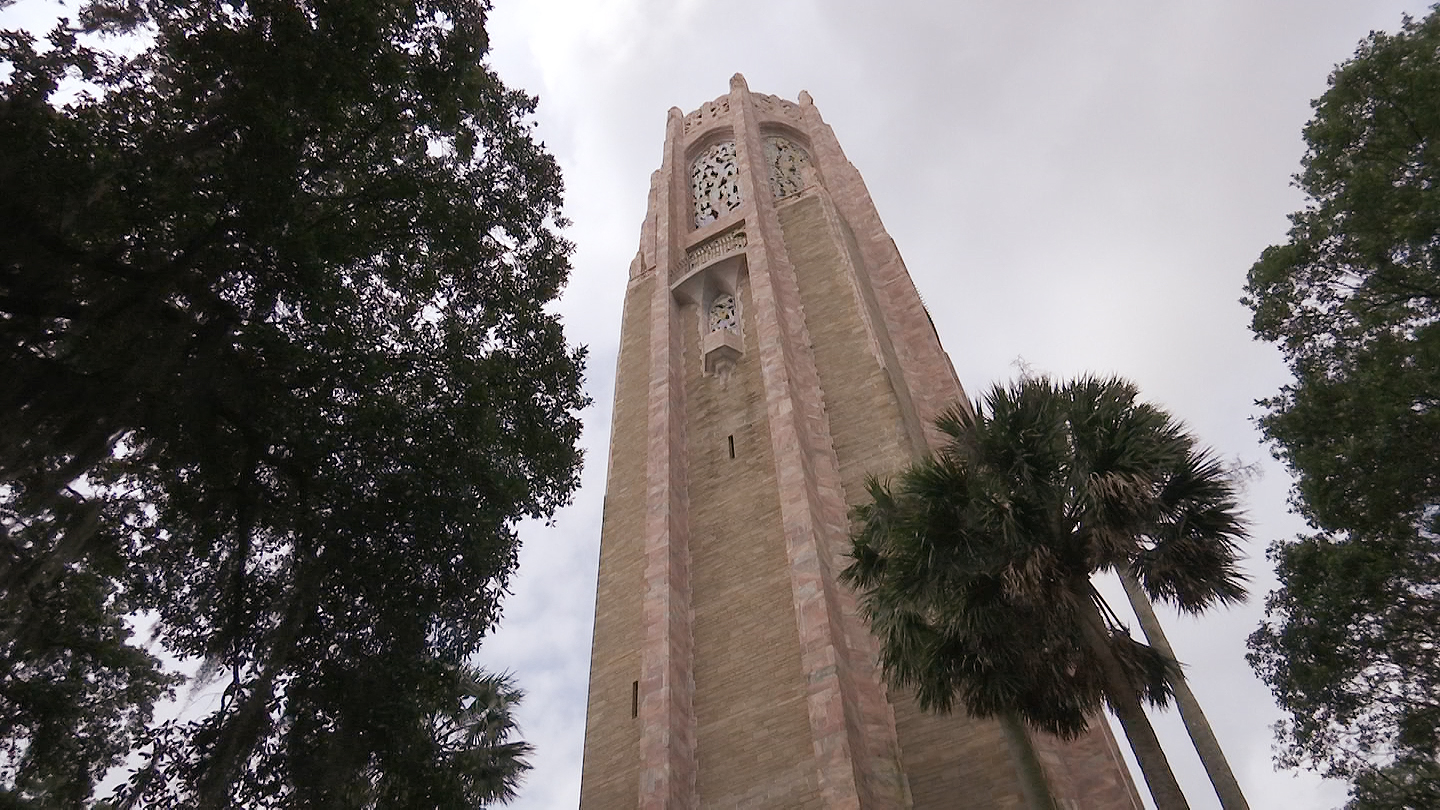
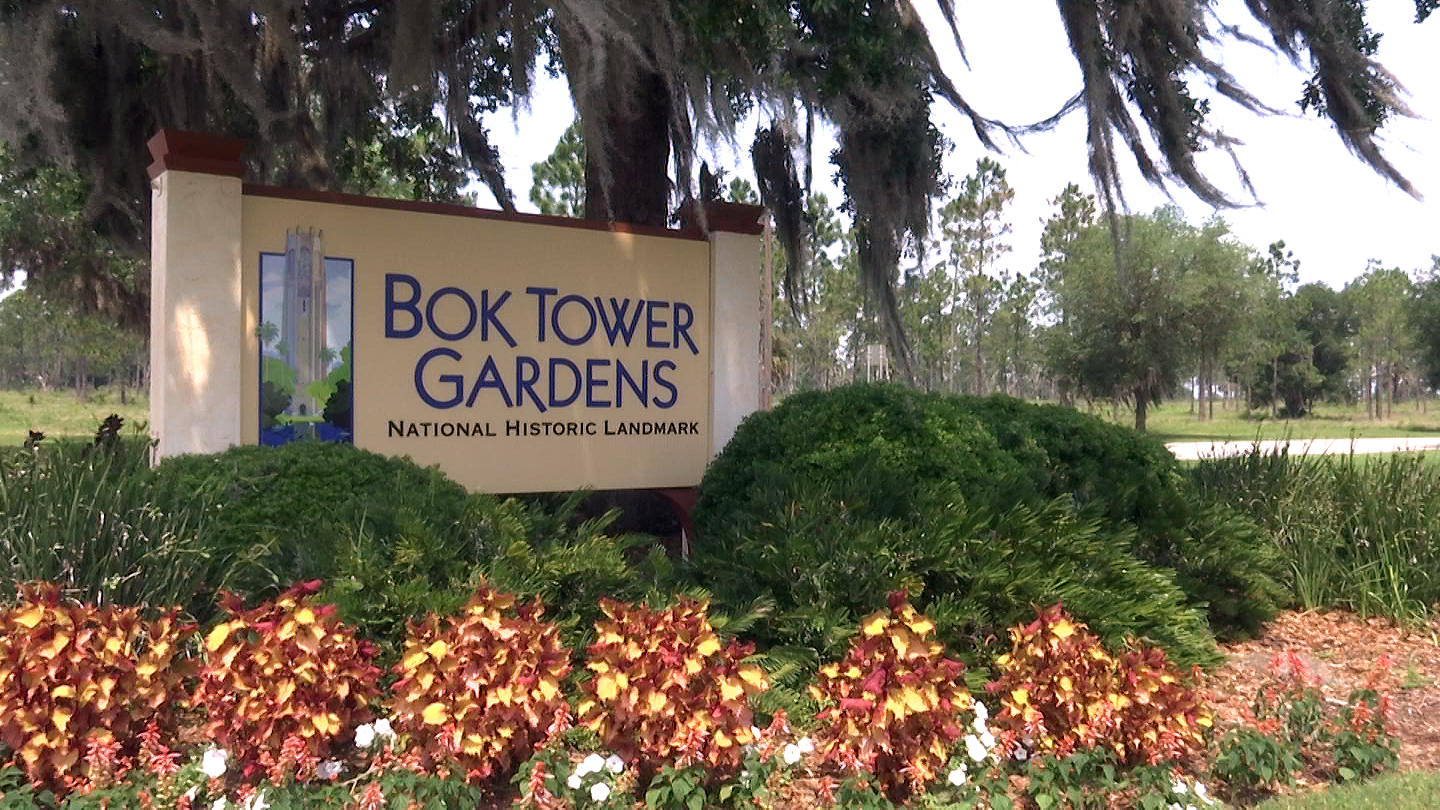
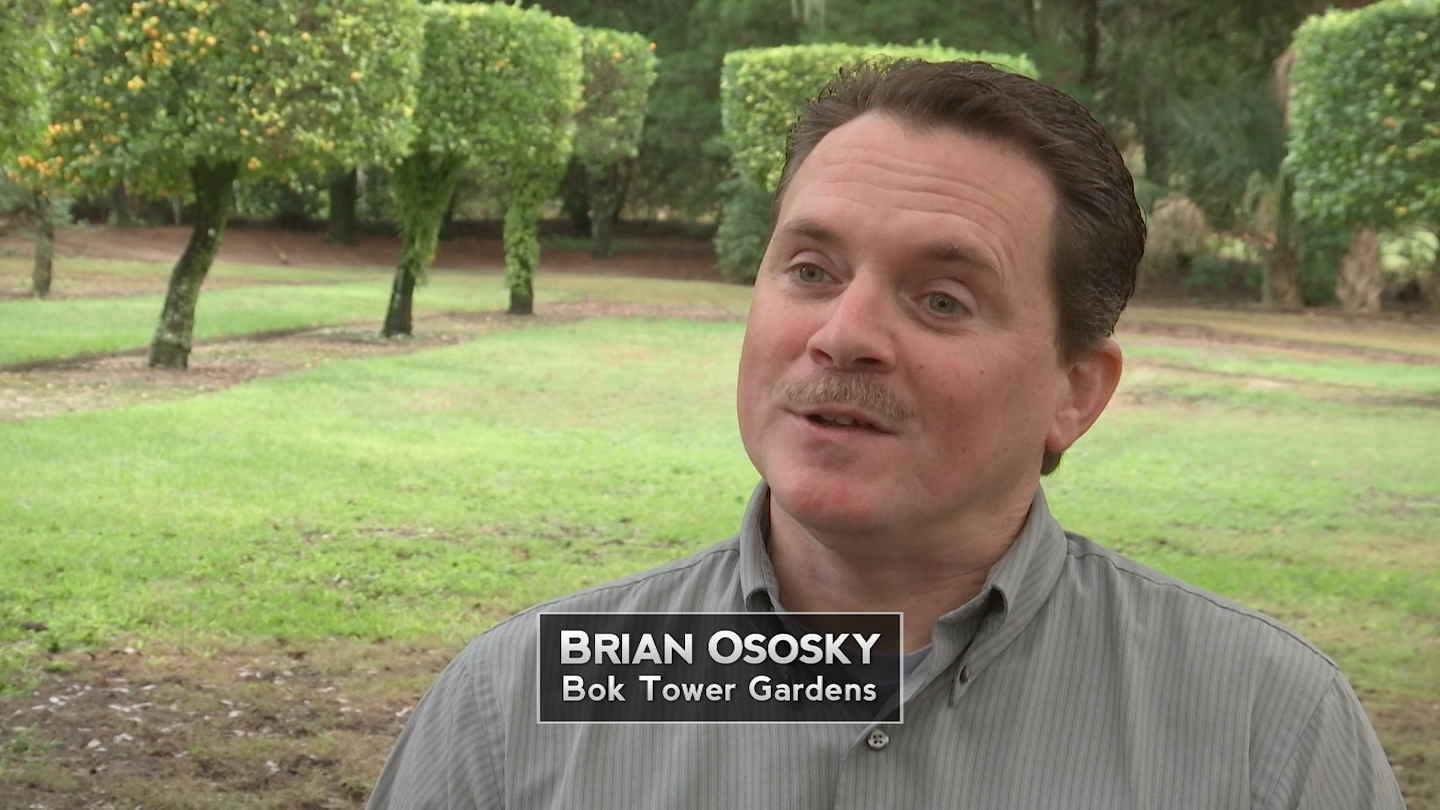
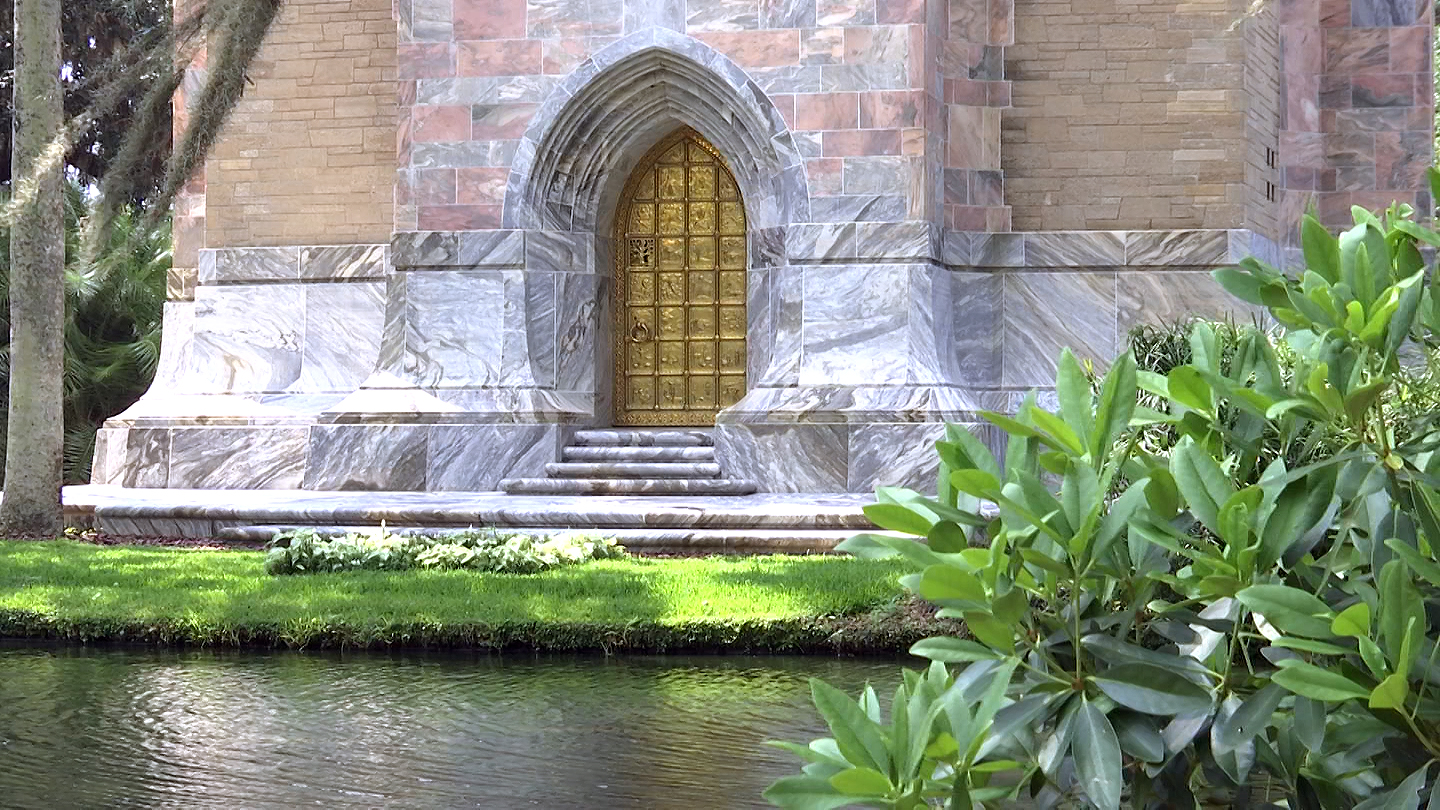
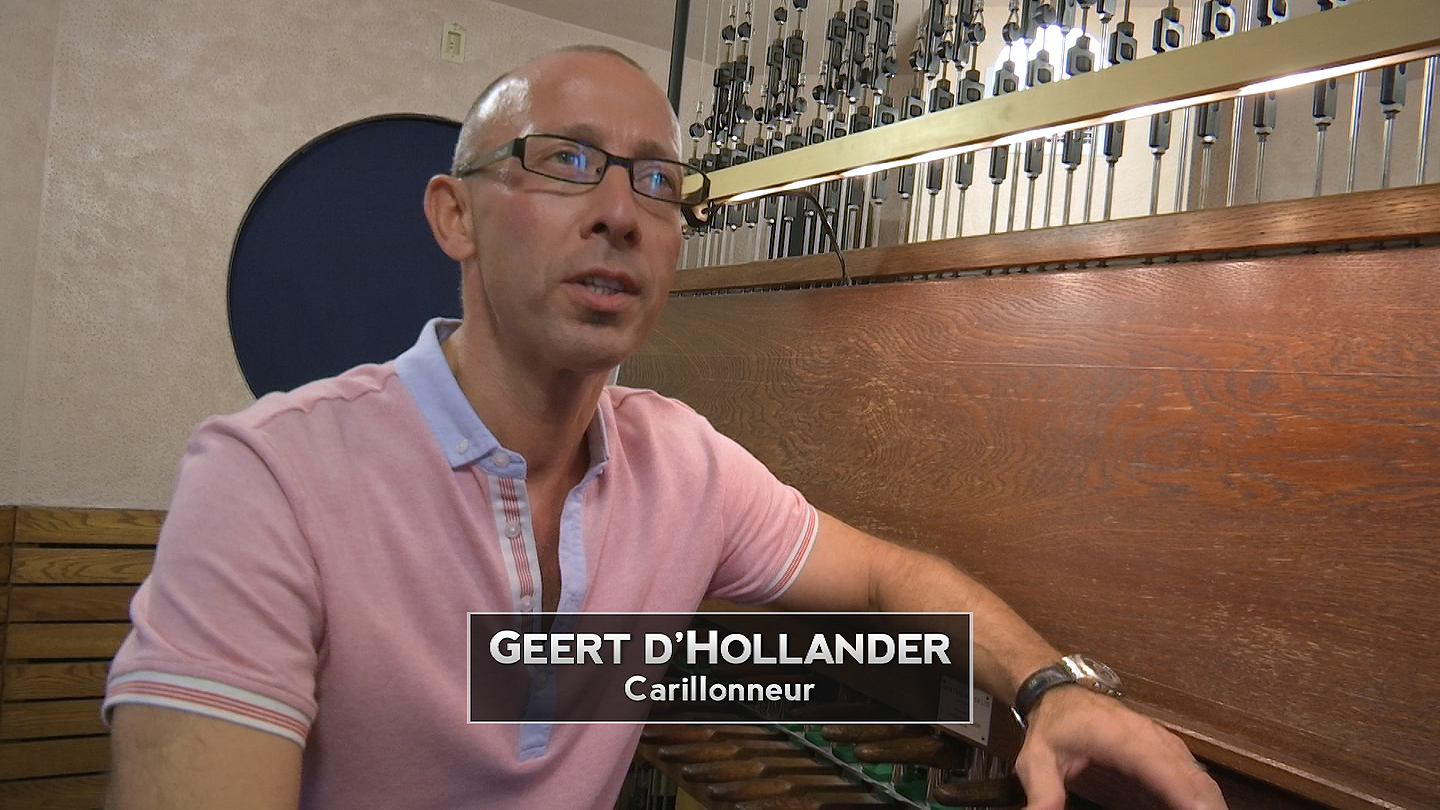
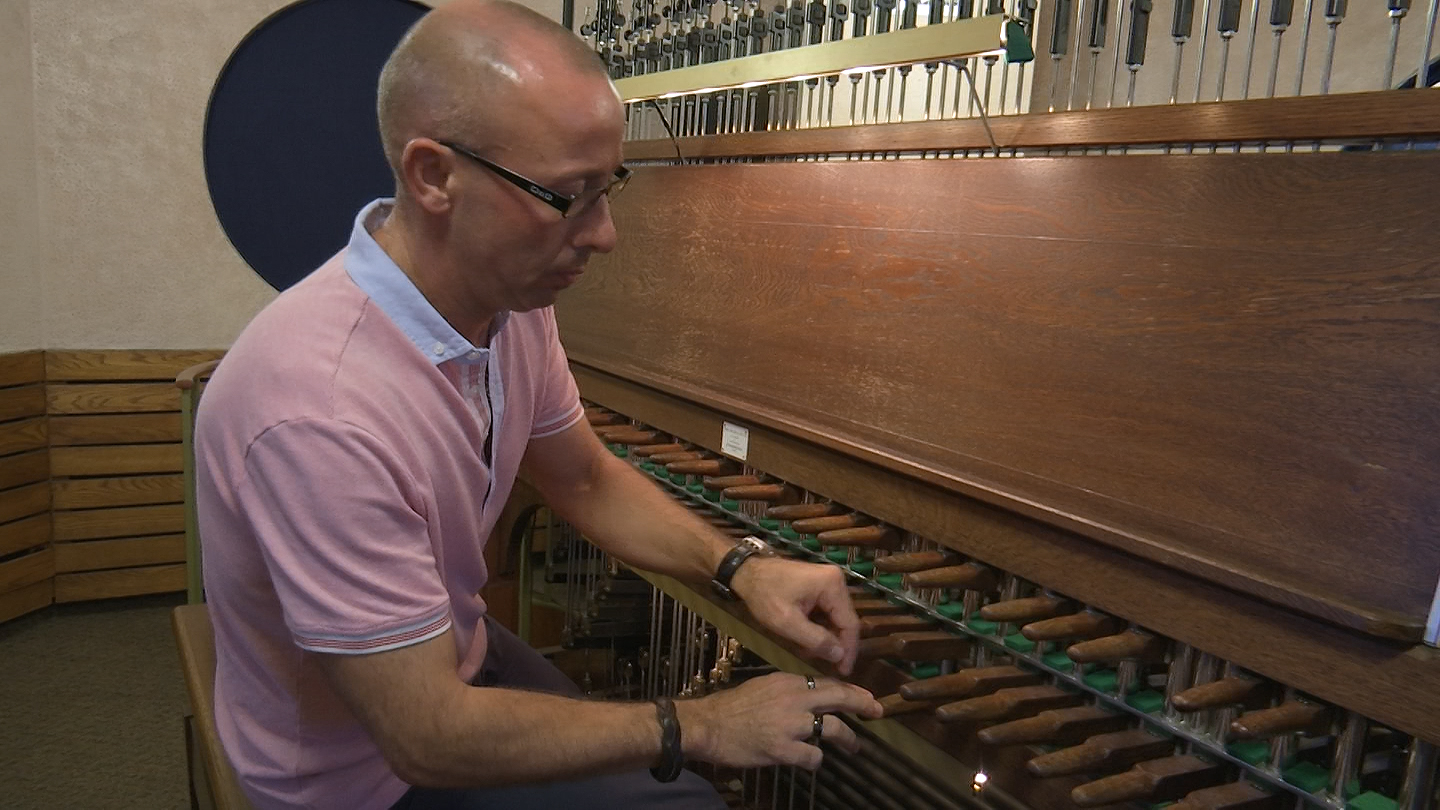
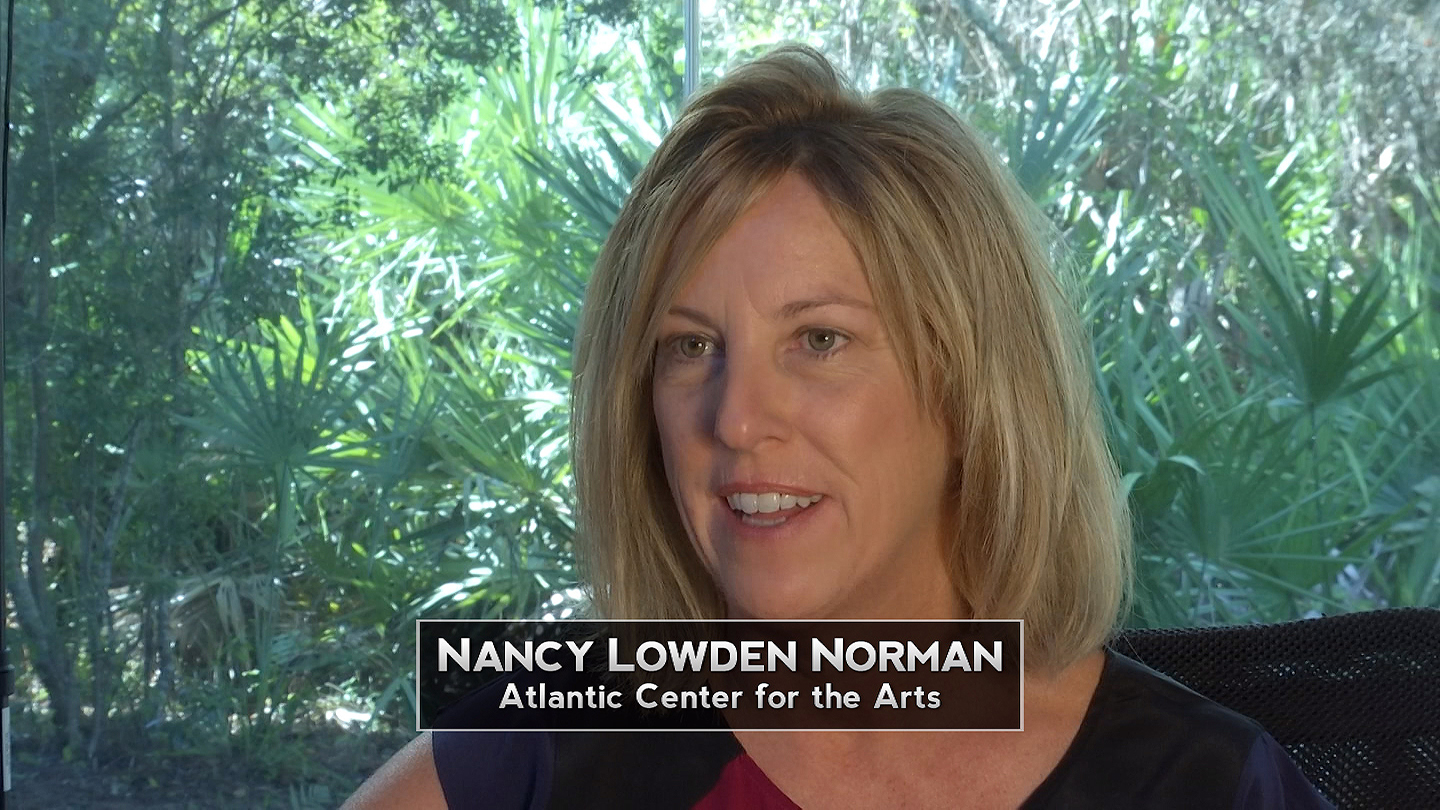
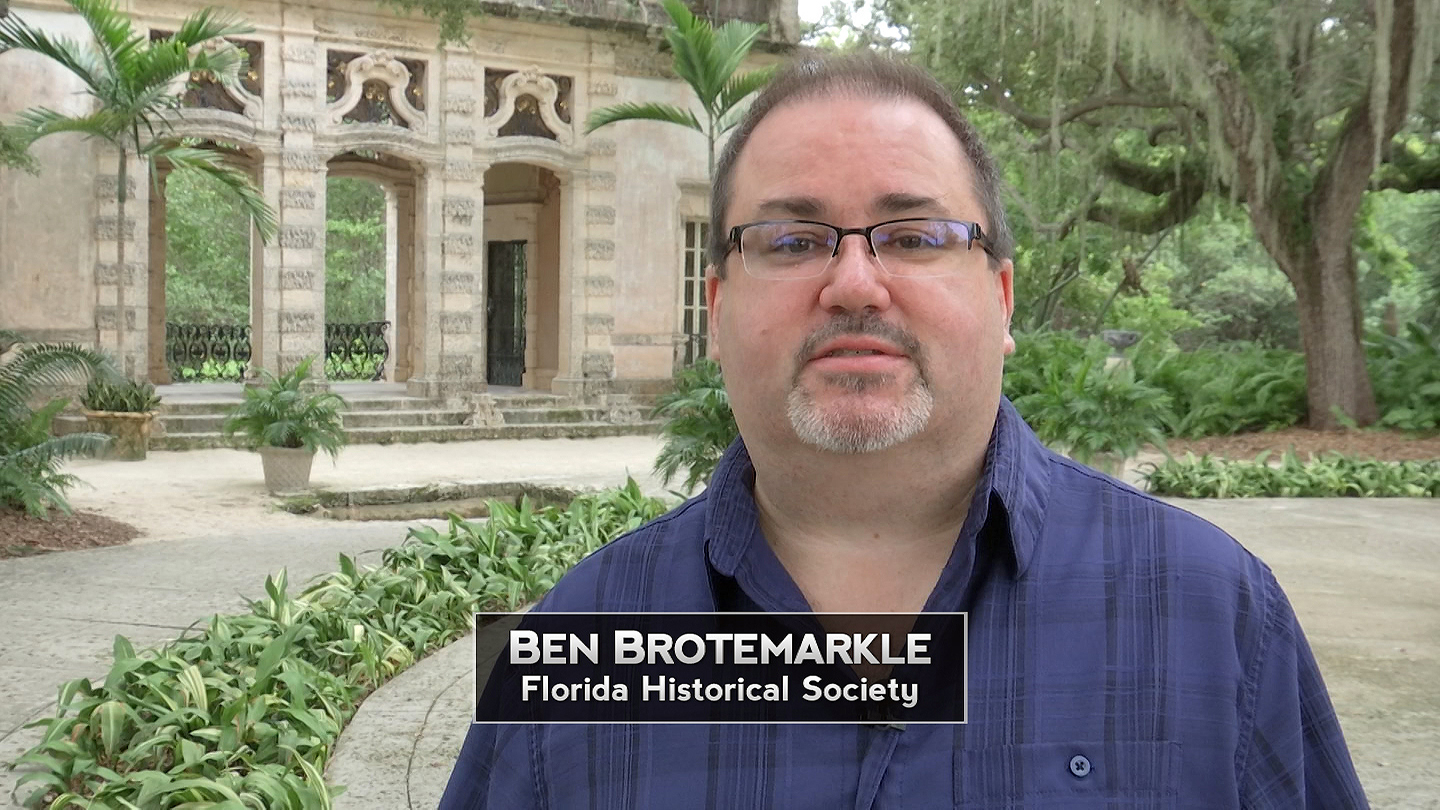
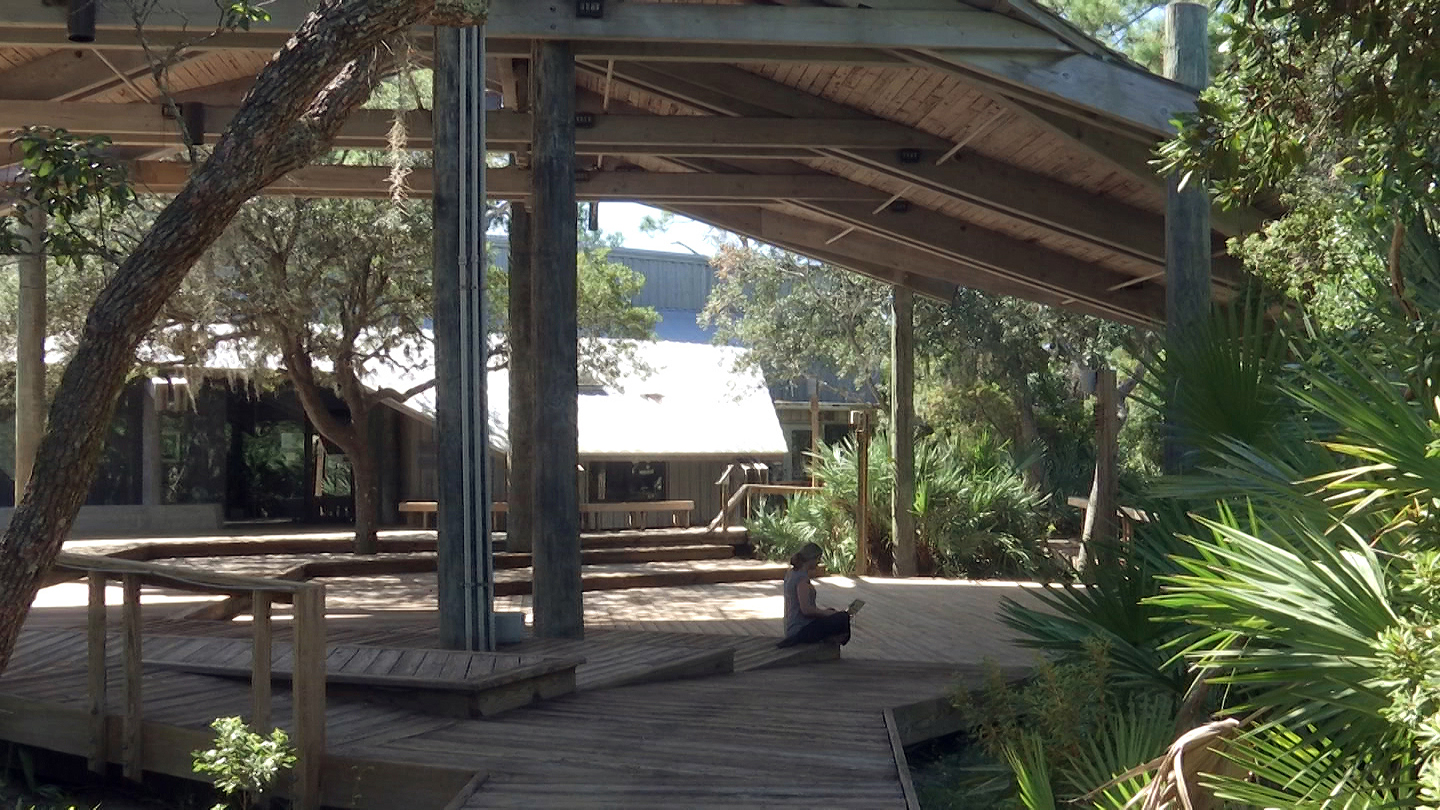
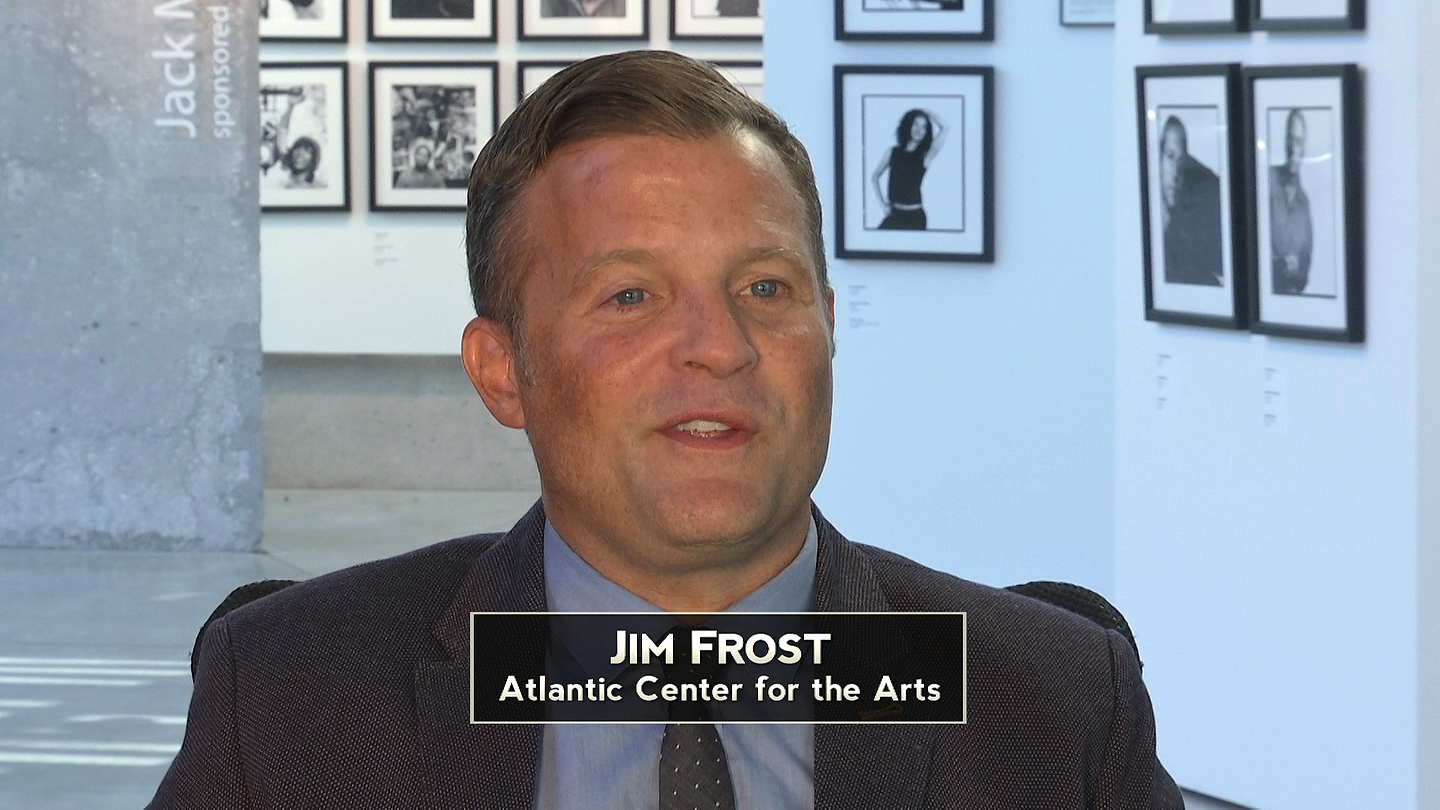
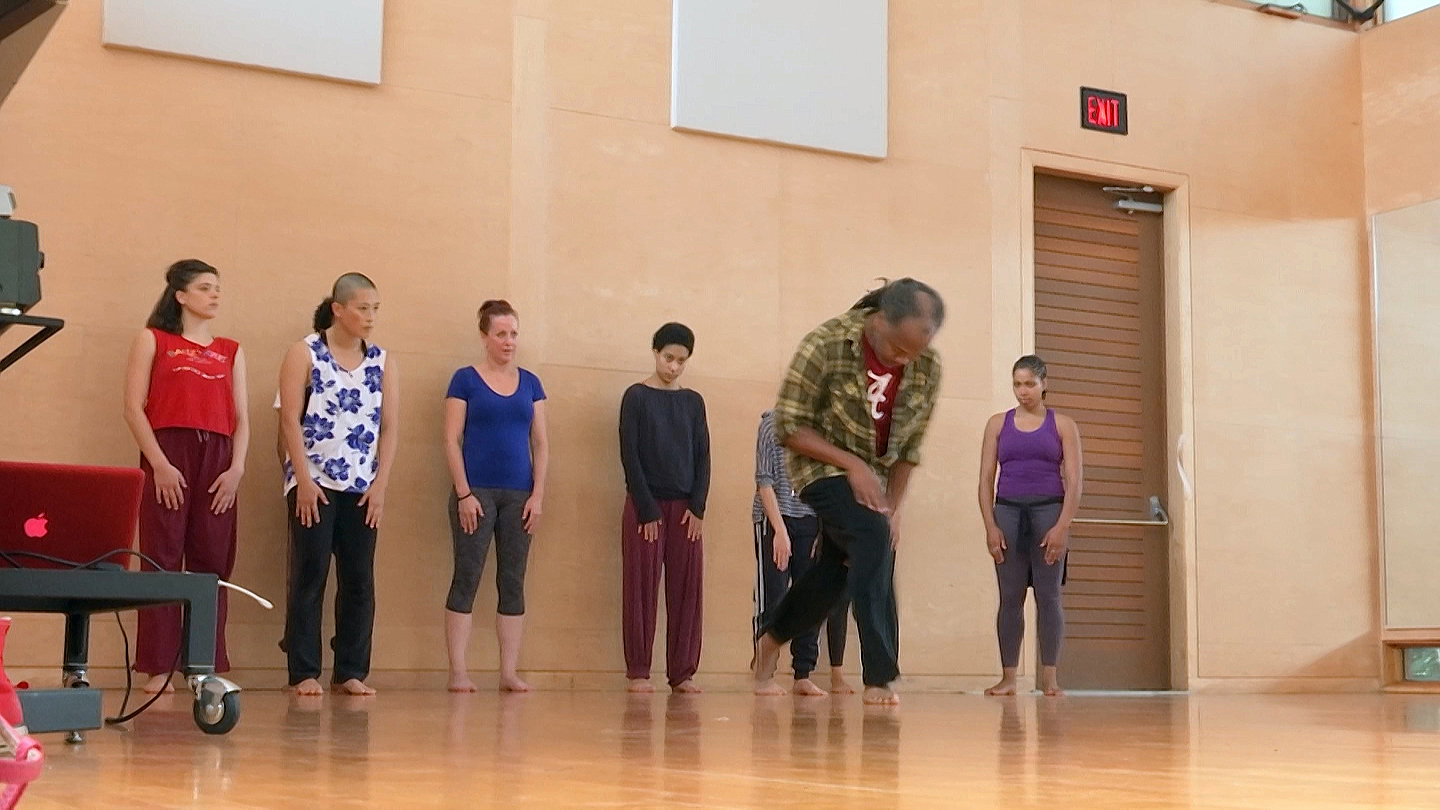
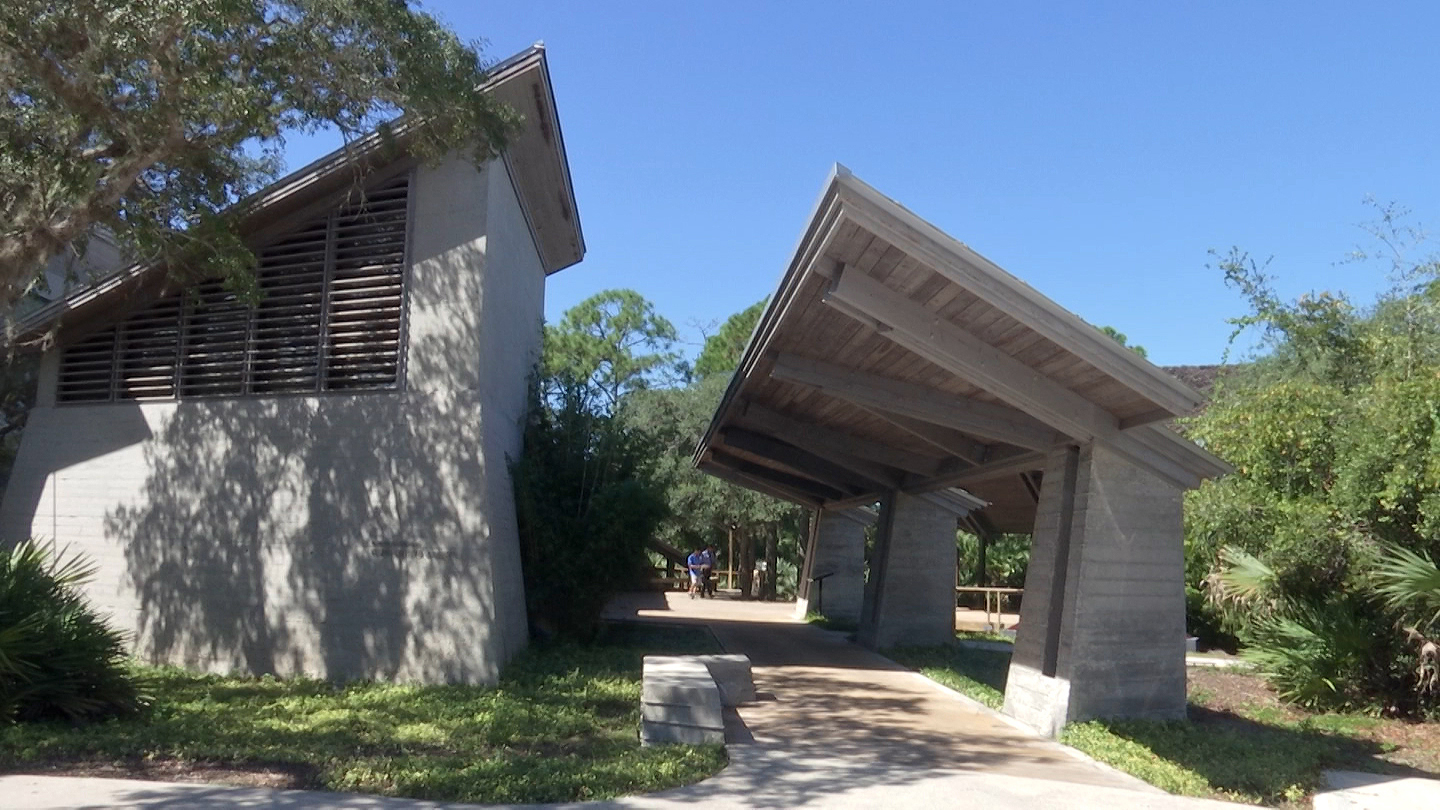
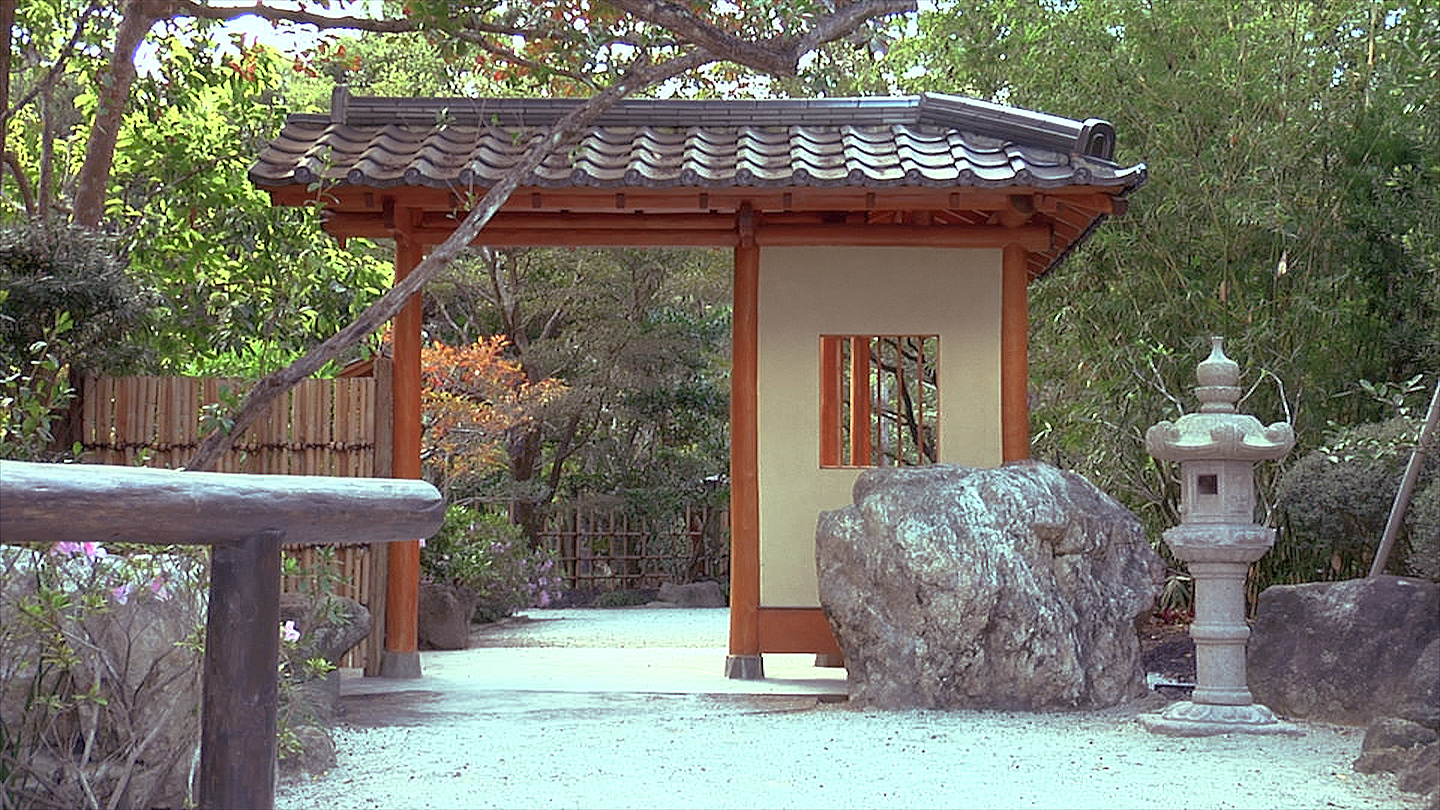
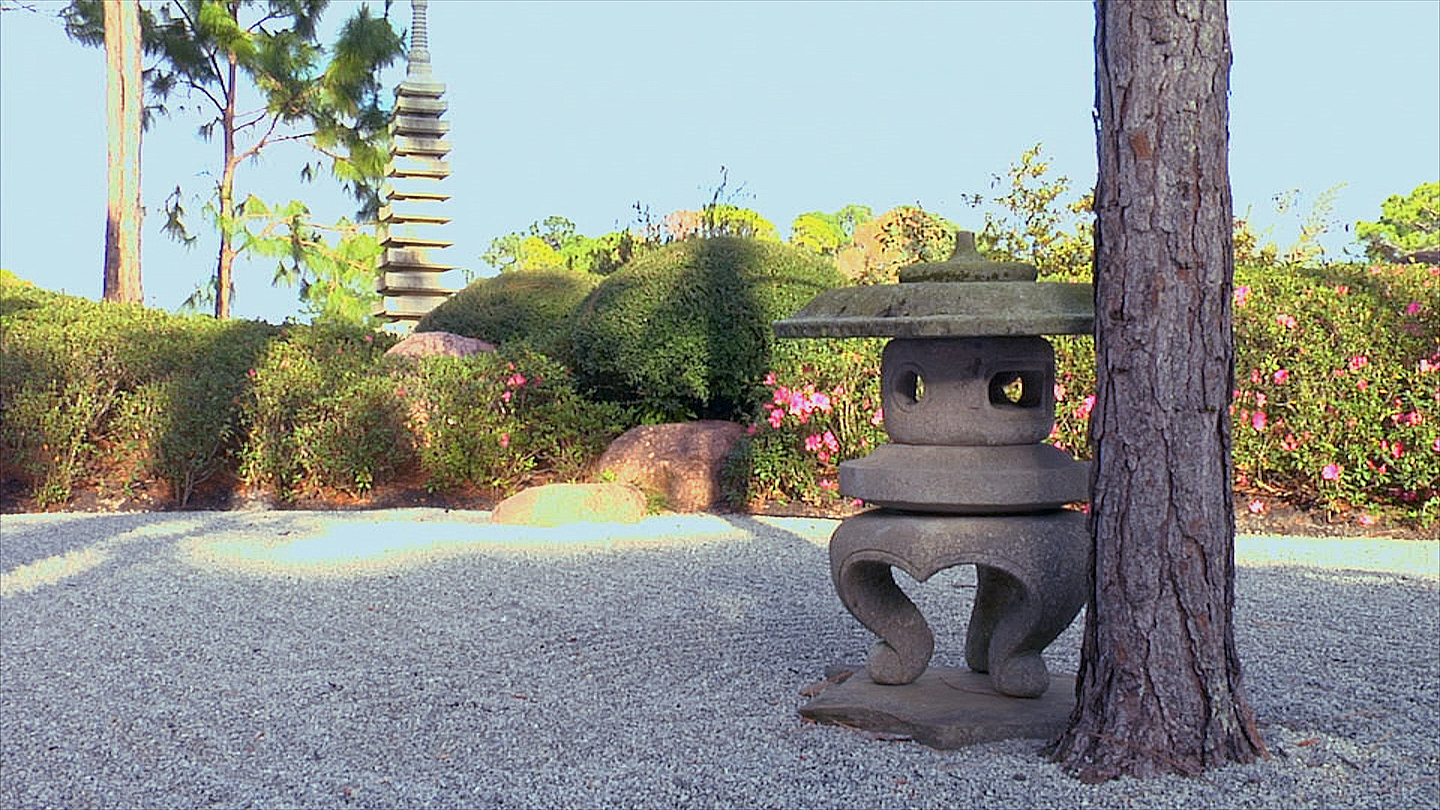
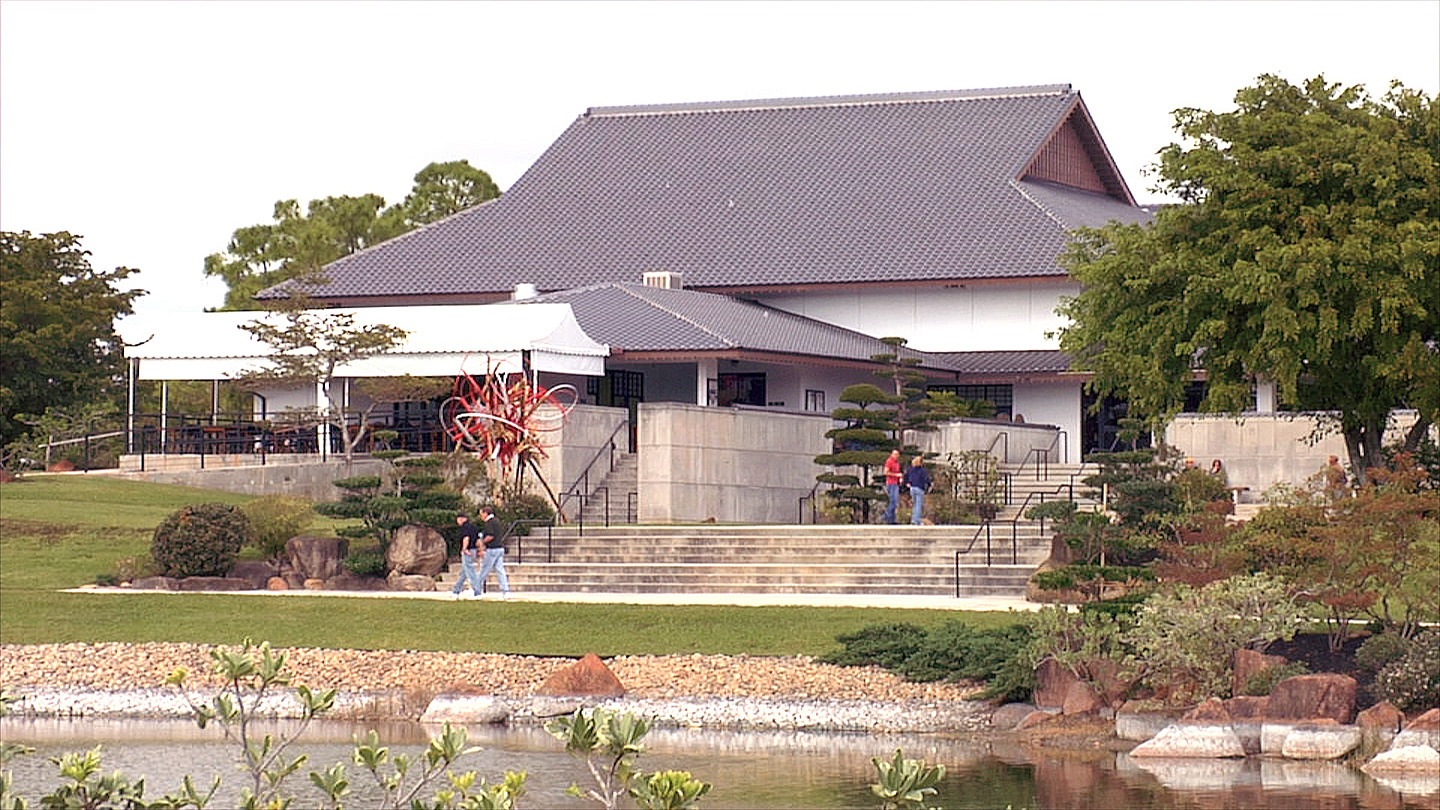
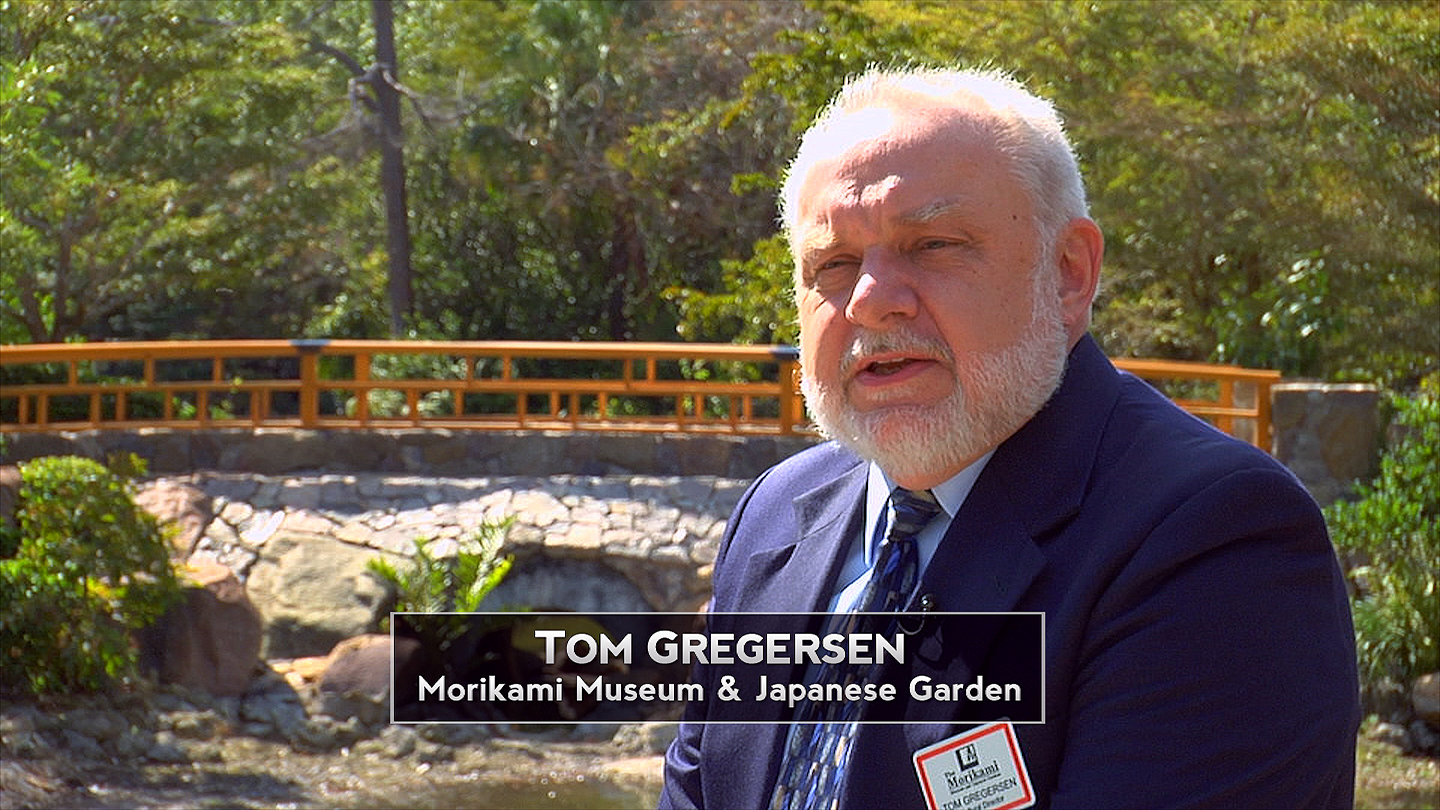
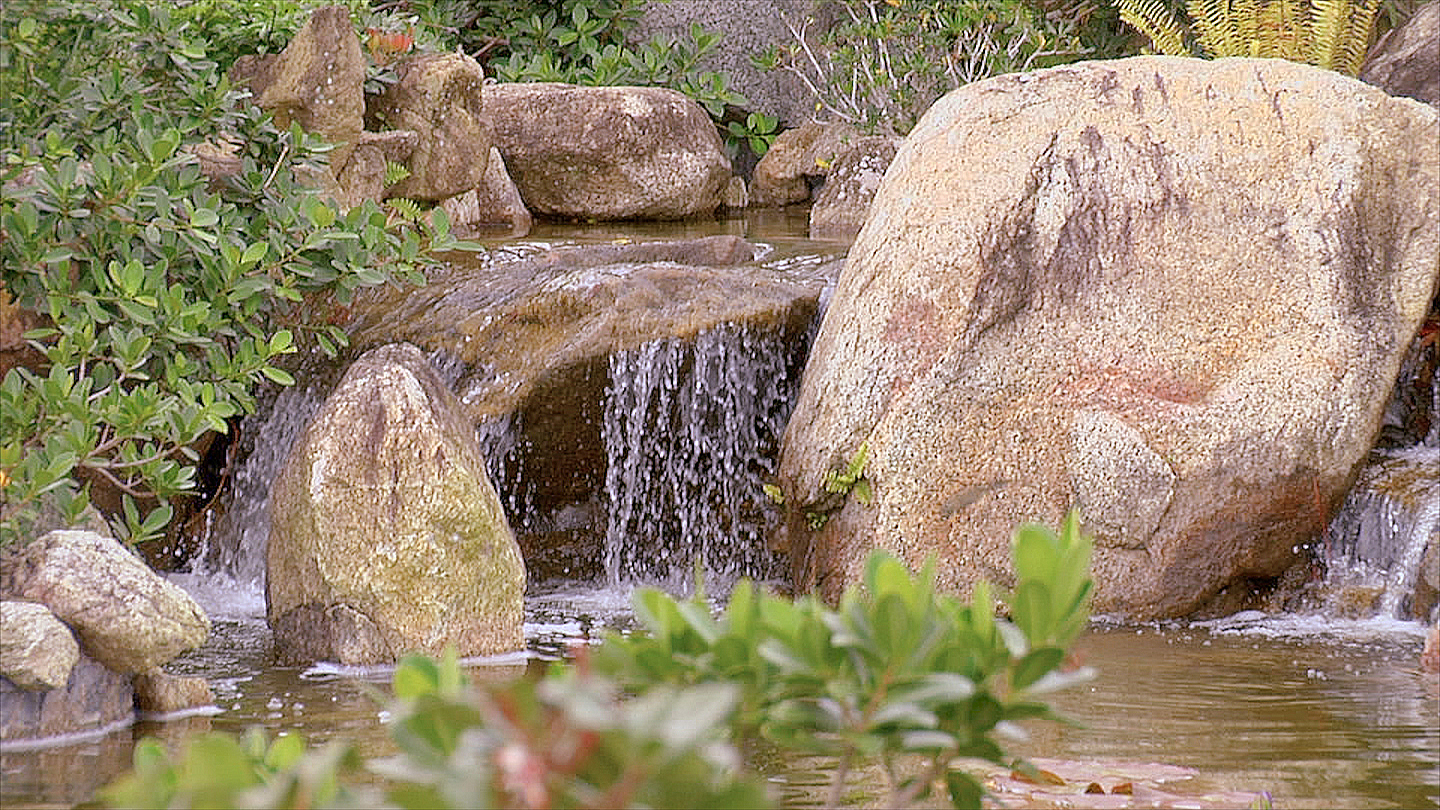
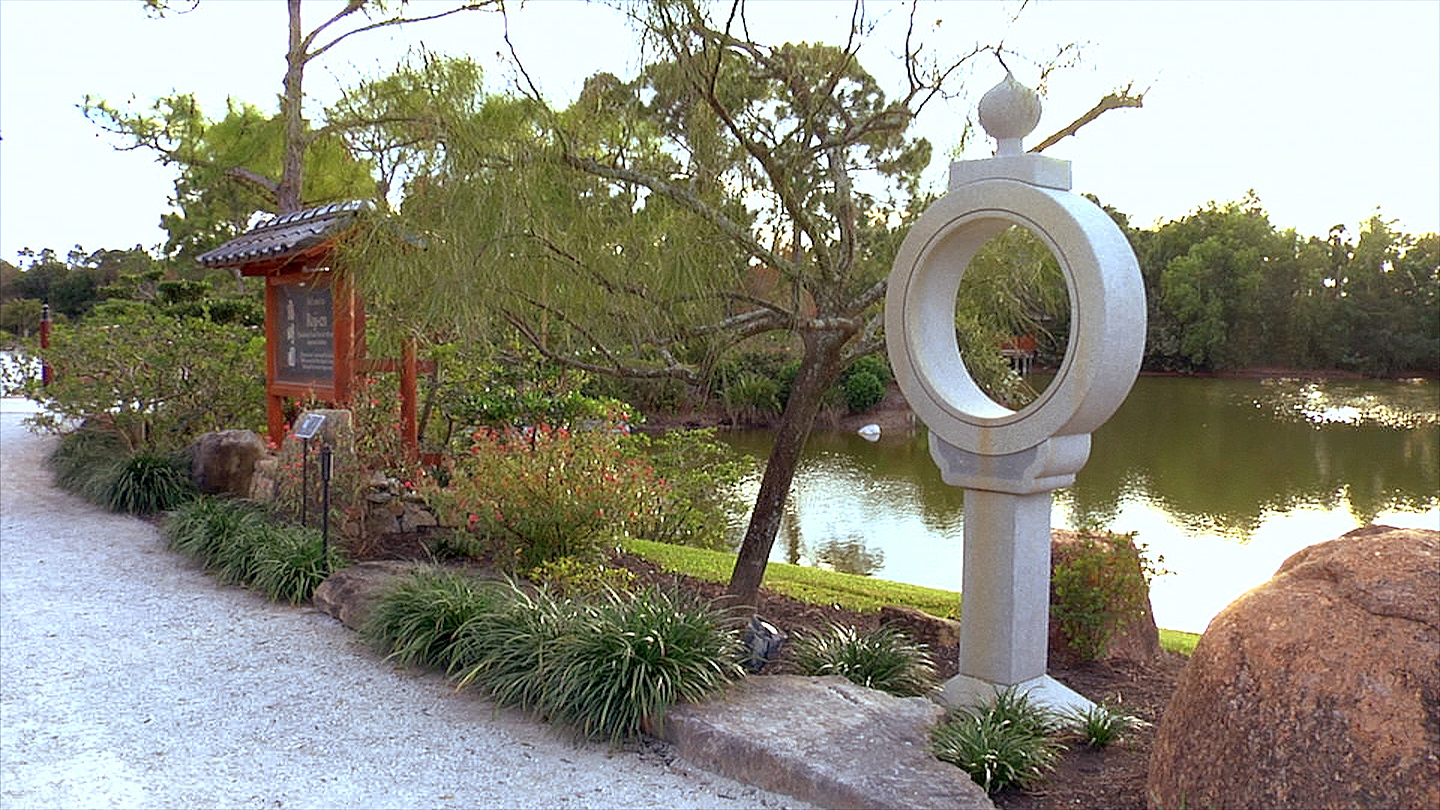
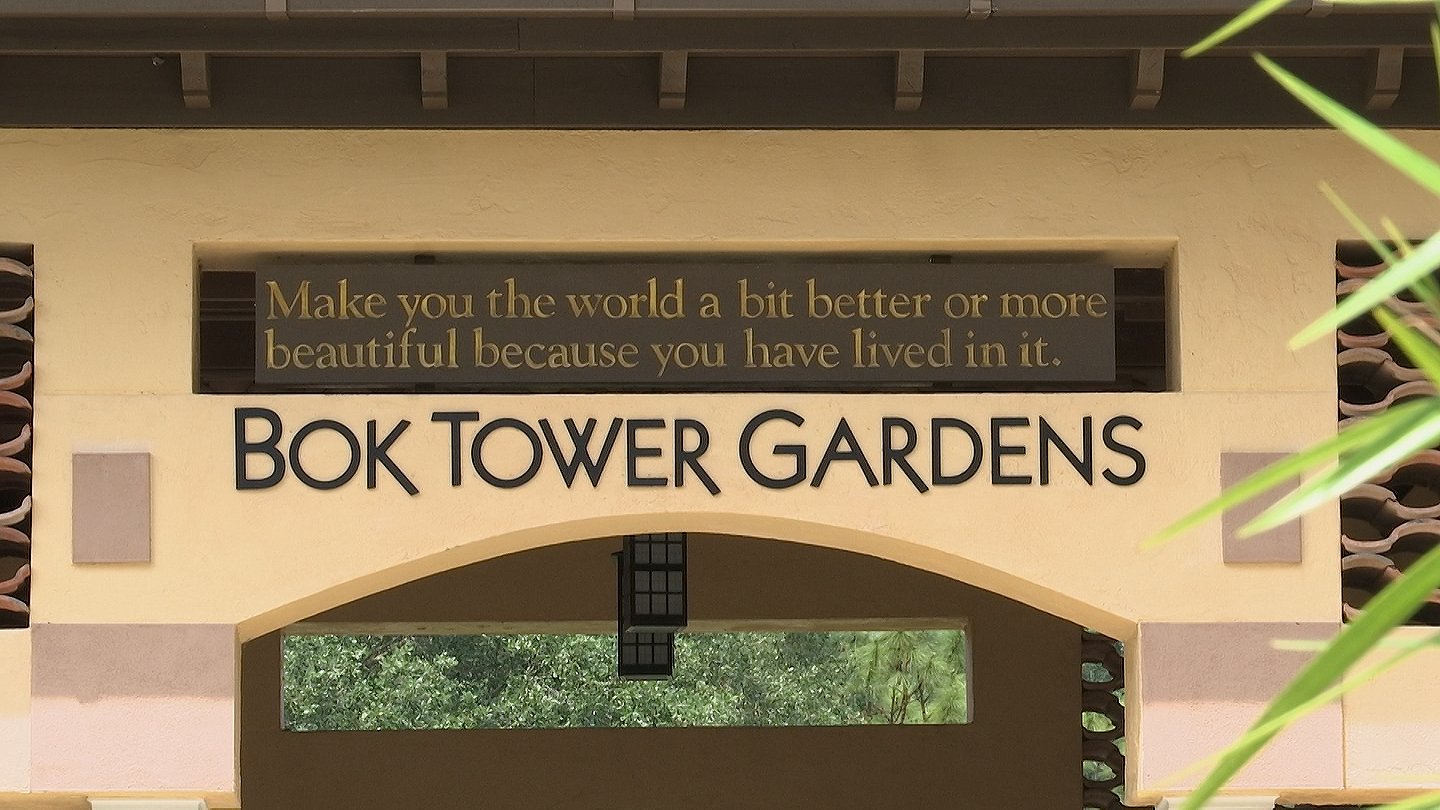
            We visit Vizcaya Museum and Gardens, Bok Tower Gardens, Atlantic Center for the Arts, and Morikami Museum and Japanese Gardens.

            FHS thanks our Supporters

            The Florida Historical Society Press preserves Florida’s past through the publication of books on a wide variety of topics relating to our state’s diverse history and culture.

            Episode Number
            4
            Program Date
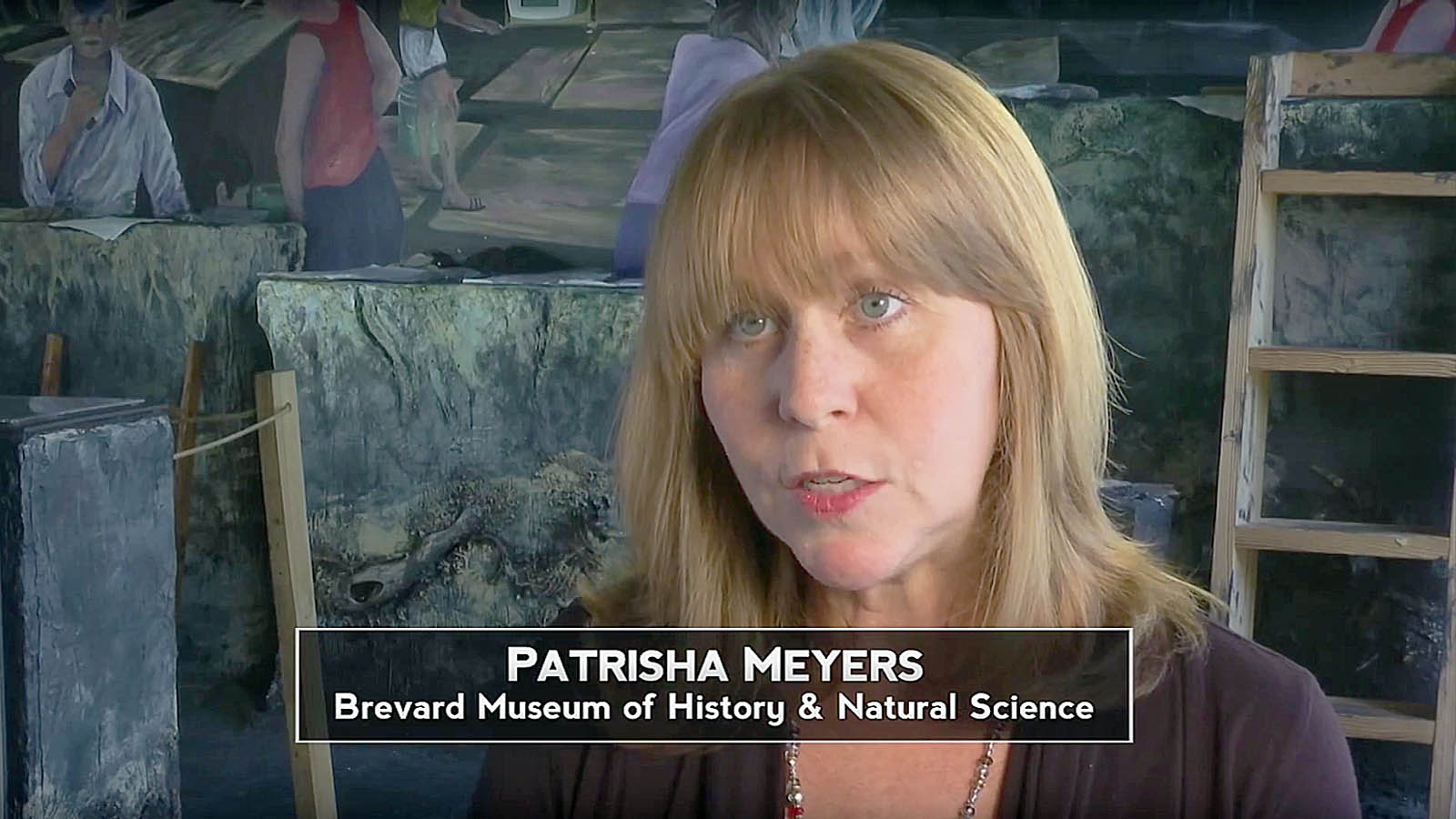
            • FFTV S:01 E:04—The Windover People, Patty Meyers - Brevard Museum

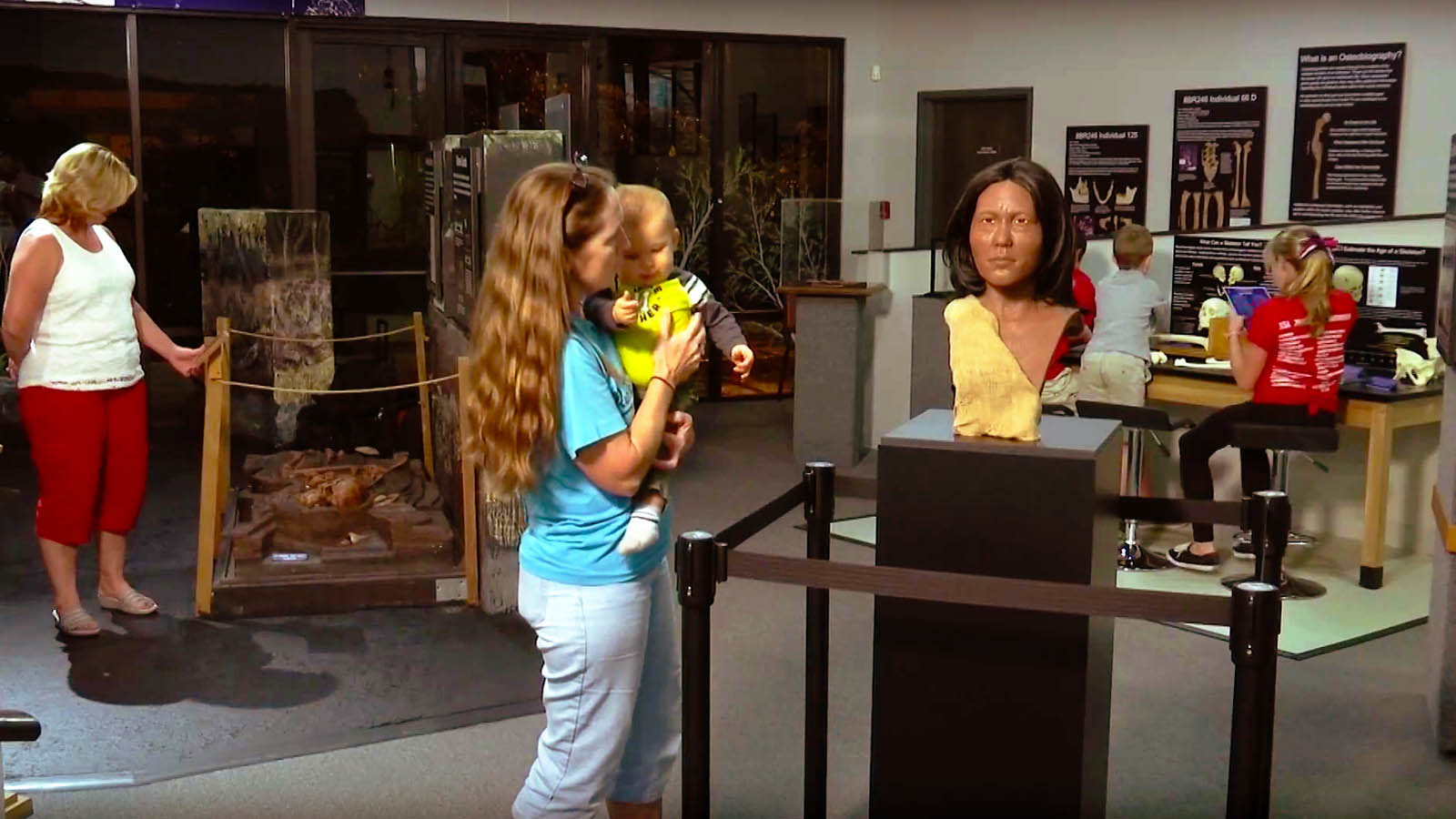
            • FFTV S:01 E:04—The Windover People, Windover Exhibit - Brevard Museum

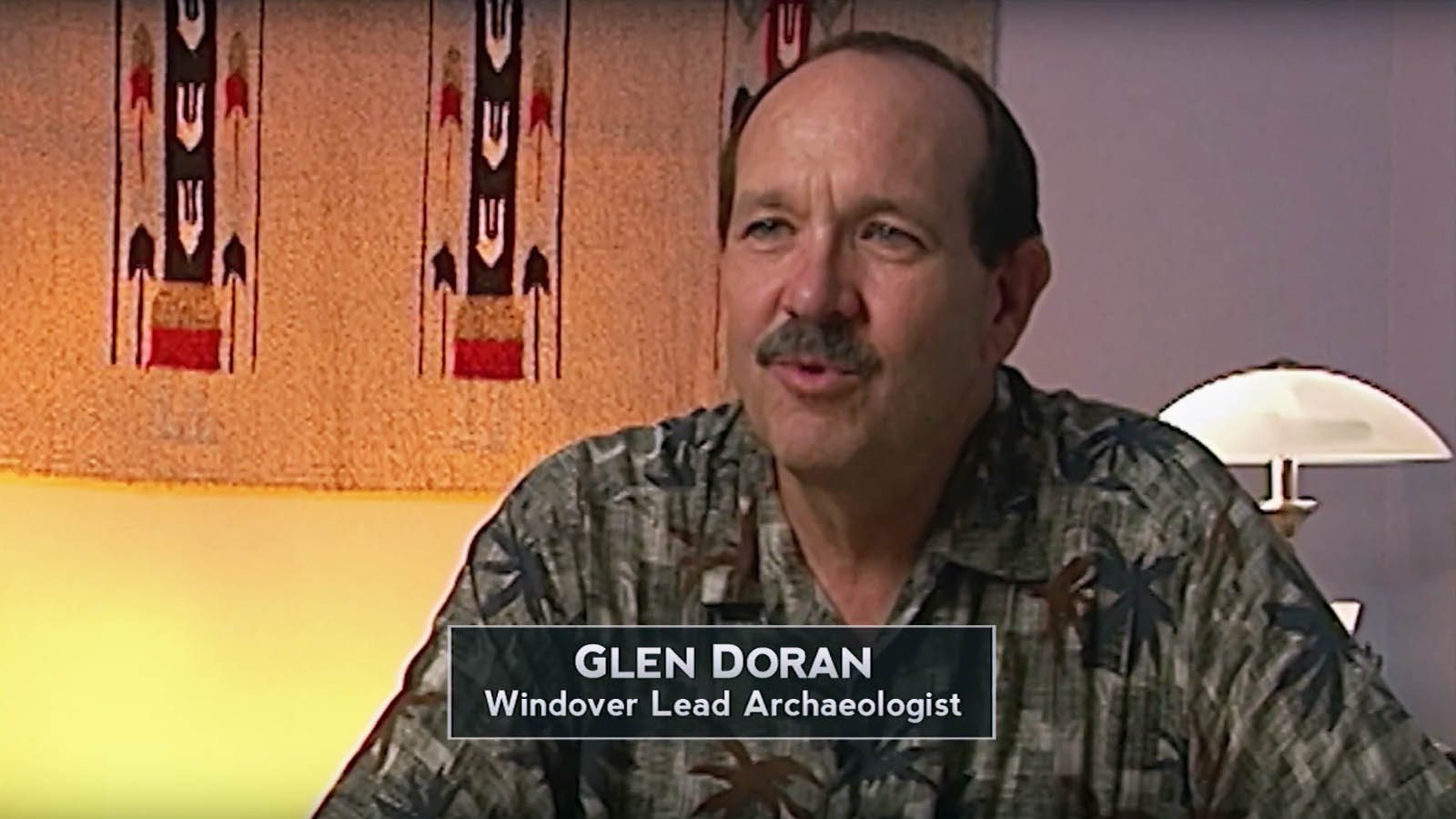
            • FFTV S:01 E:04—The Windover People, Glen Doran - Lead Windover Archaelologist

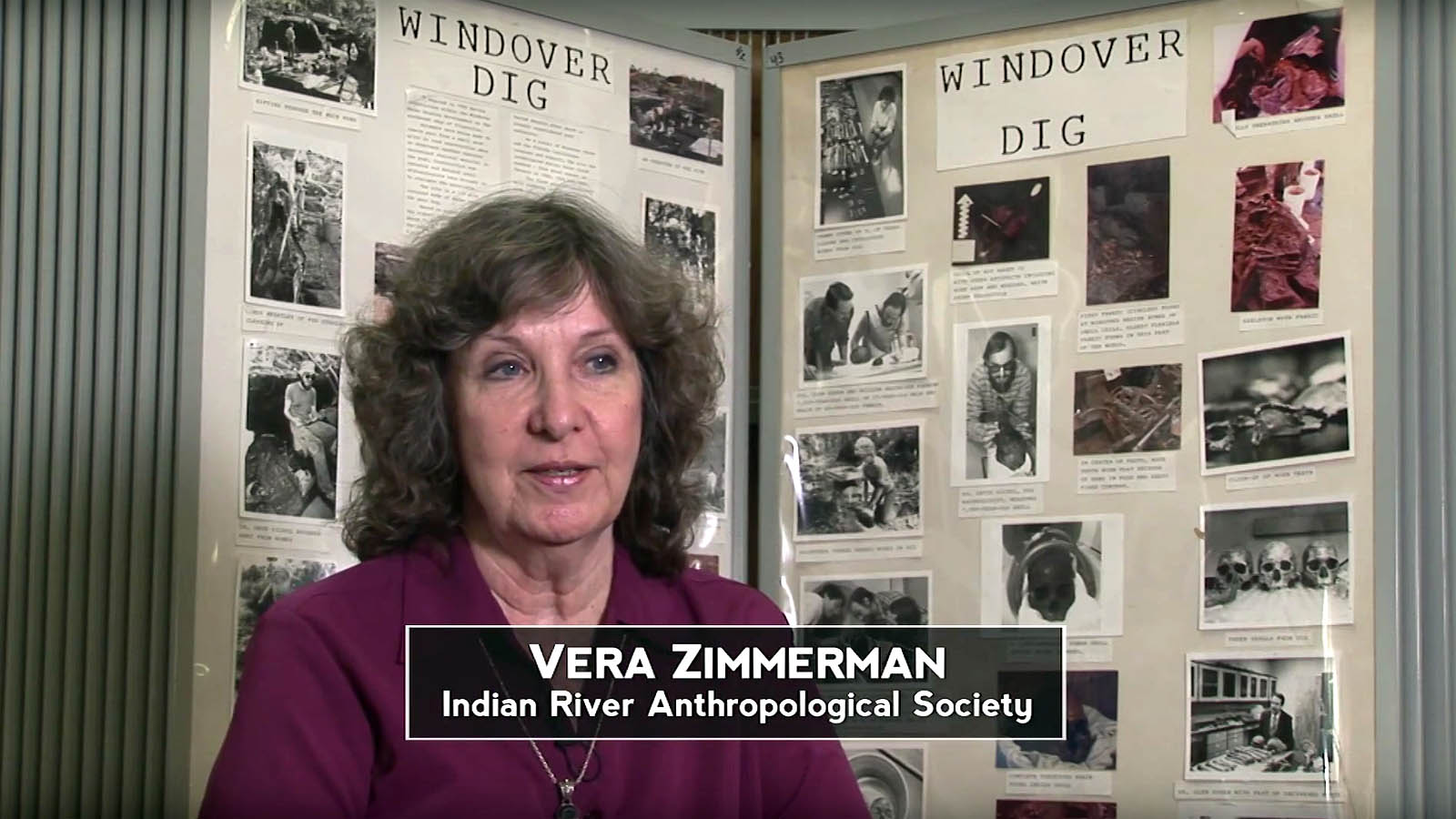
            • FFTV S:01 E:04—The Windover People, Vera Zimmerman - Indian River Anthropological Society

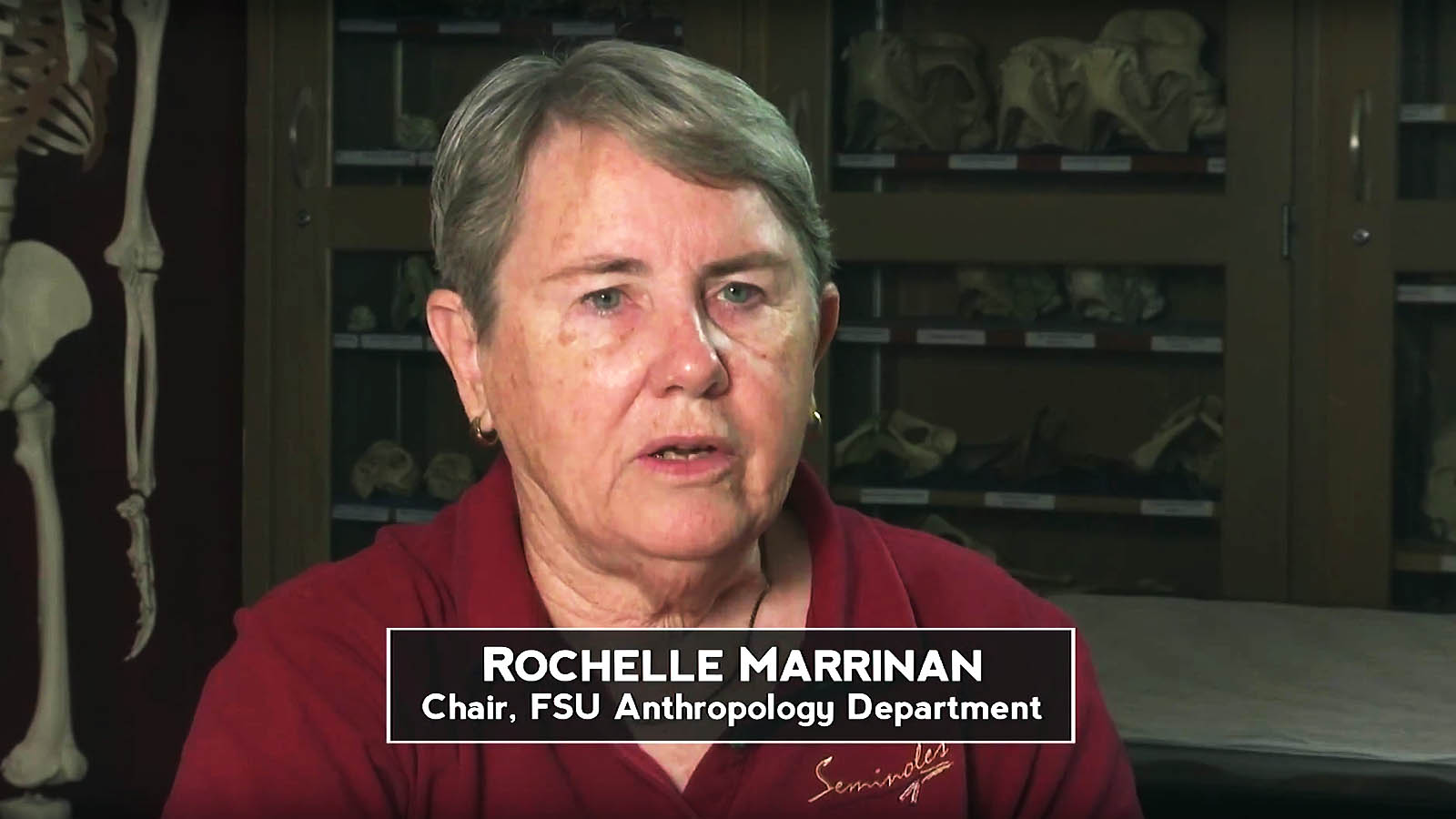
            • FFTV S:01 E:04—The Windover People, Rochelle Marrinan - Chair FSU Anthropology Department

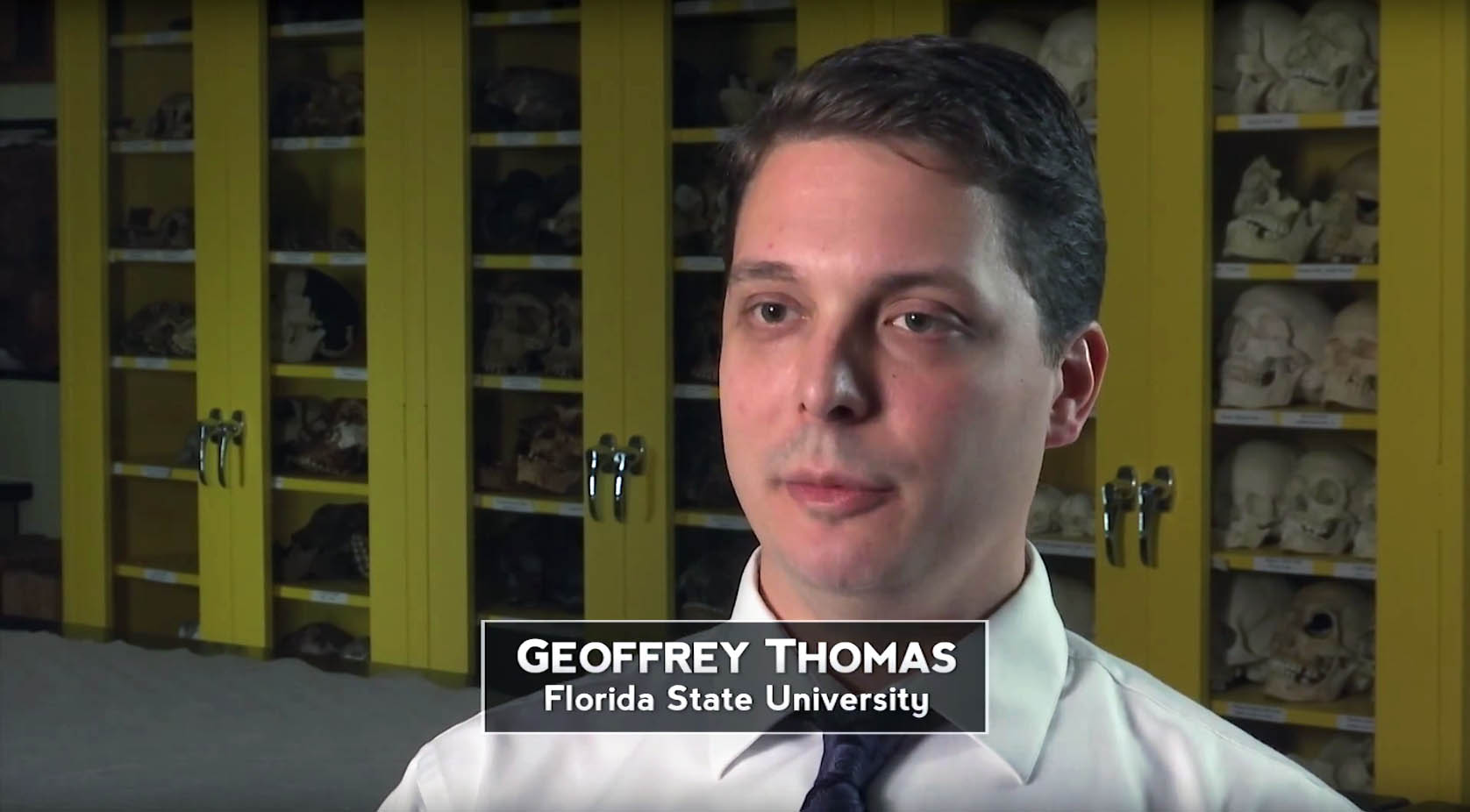
            • FFTV S:01 E:04—The Windover People, Geoffrey Thomas - Florida State University

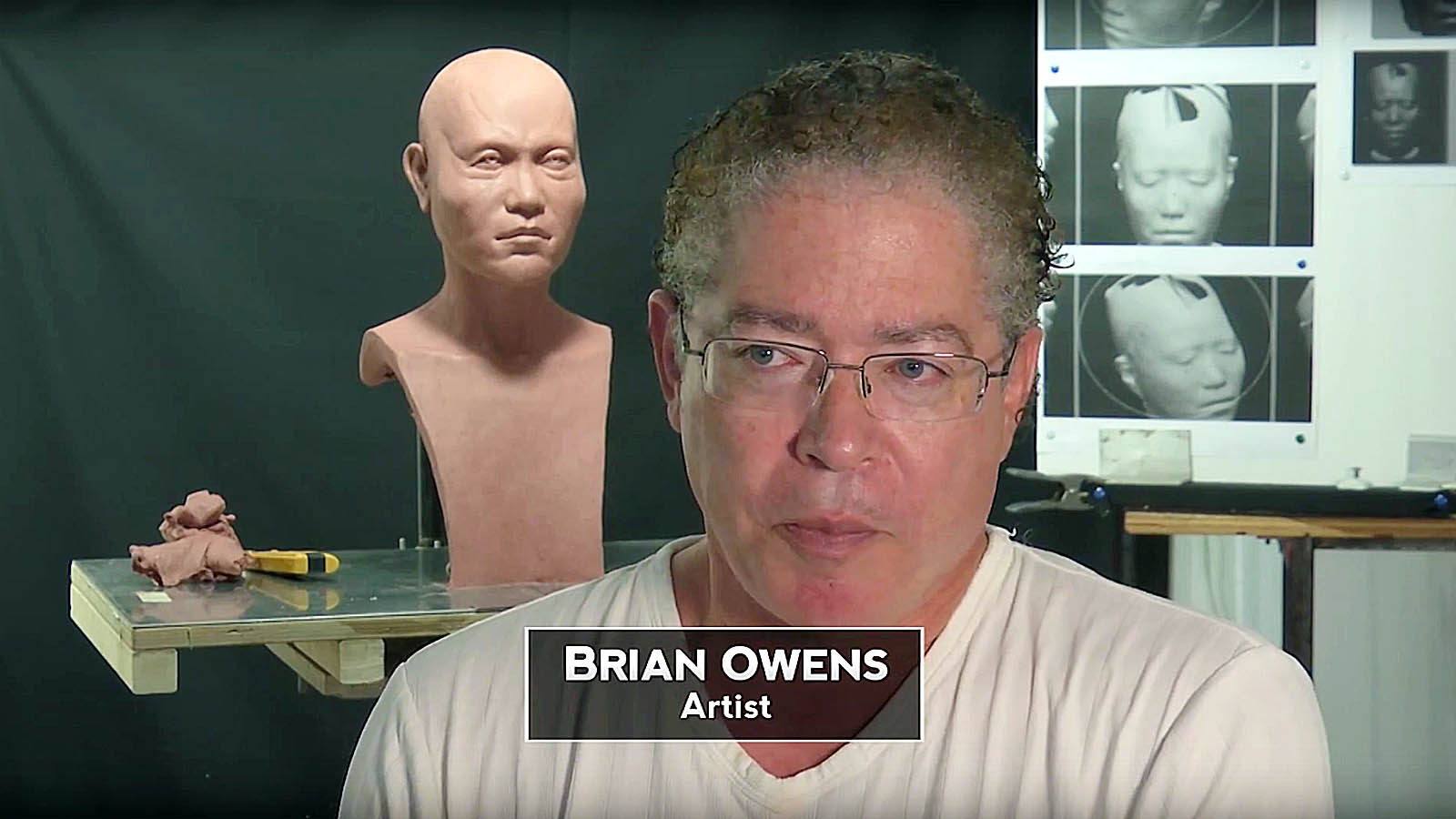
            • FFTV S:01 E:04—The Windover People, Brian Owens - Artist

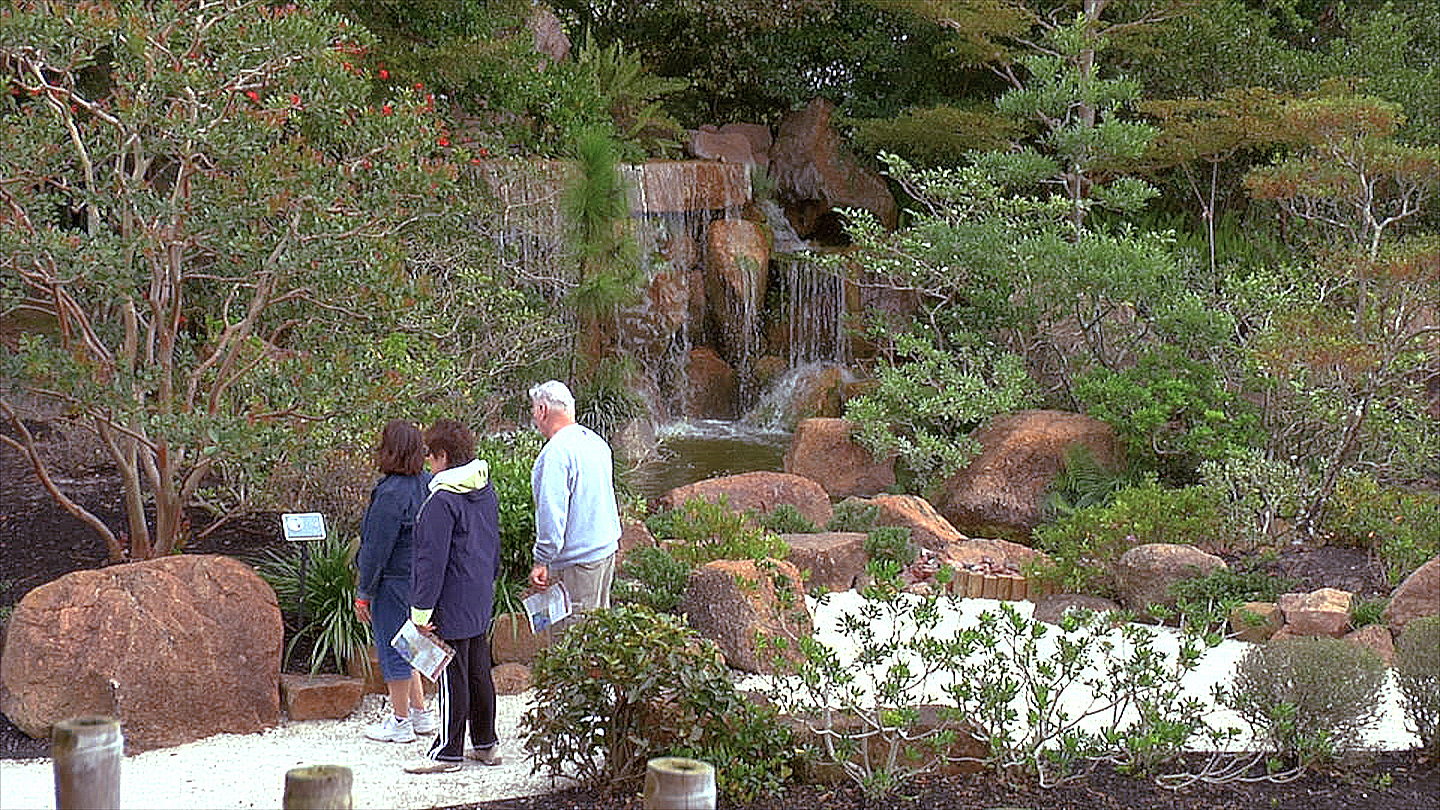
            • FFTV S:01 E:04—The Windover People, Windover - Present Day


              The Windover Dig in Titusville, Florida, was one of the most important archaeological discoveries in the world.

              FHS thanks our Supporters

              The Florida Historical Society Press preserves Florida’s past through the publication of books on a wide variety of topics relating to our state’s diverse history and culture.

              Episode Number
              3
              Program Date
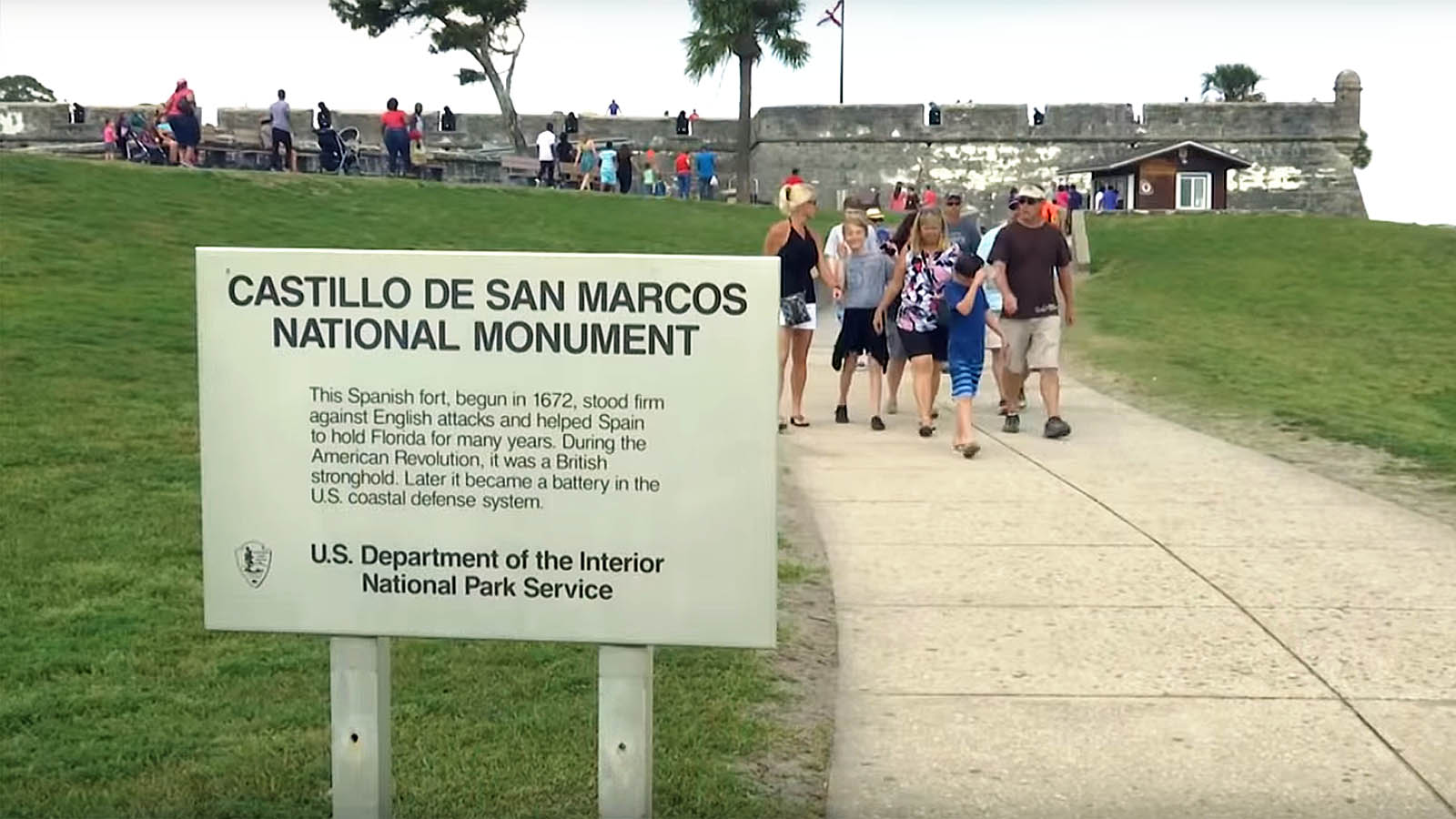
              • FFTV S:01 E:03—Exploring New Worlds, Castillo De San Marcos National Monument

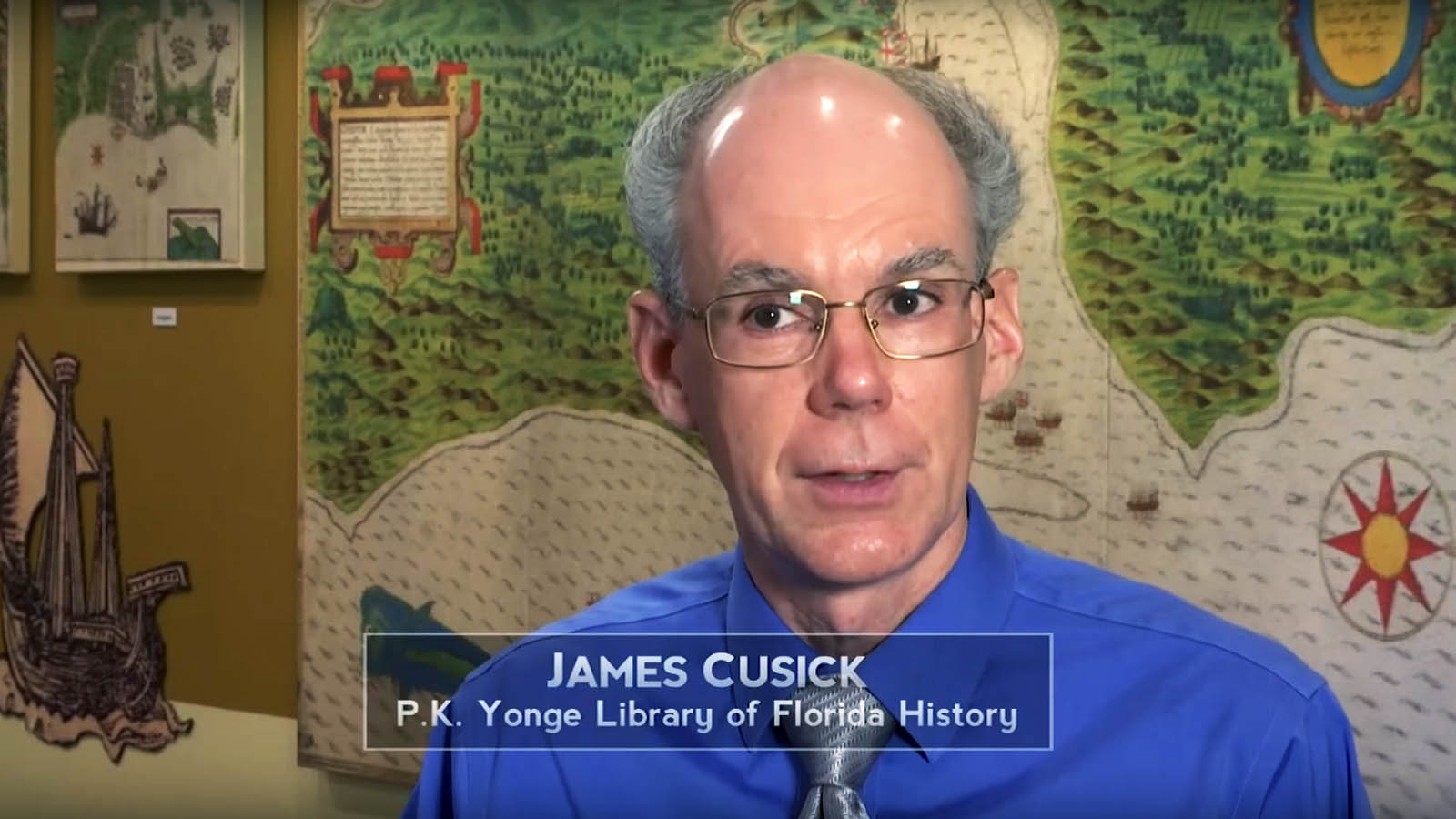
              • FFTV S:01 E:03—Exploring New Worlds, James Cusic - Yonge Library of Florida History

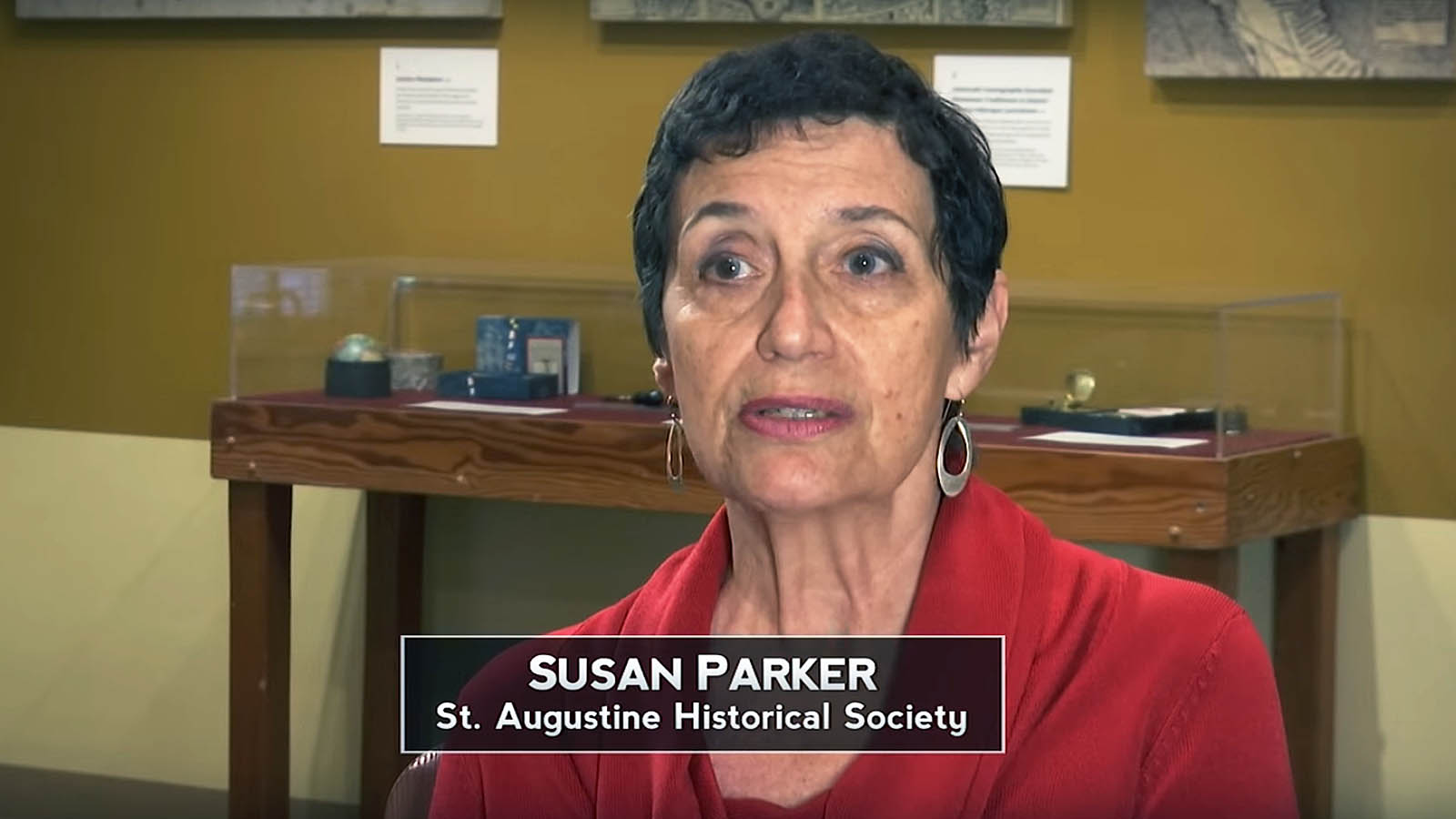
              • FFTV S:01 E:03—Exploring New Worlds, Susan Parker - St. Augustine Historical Society

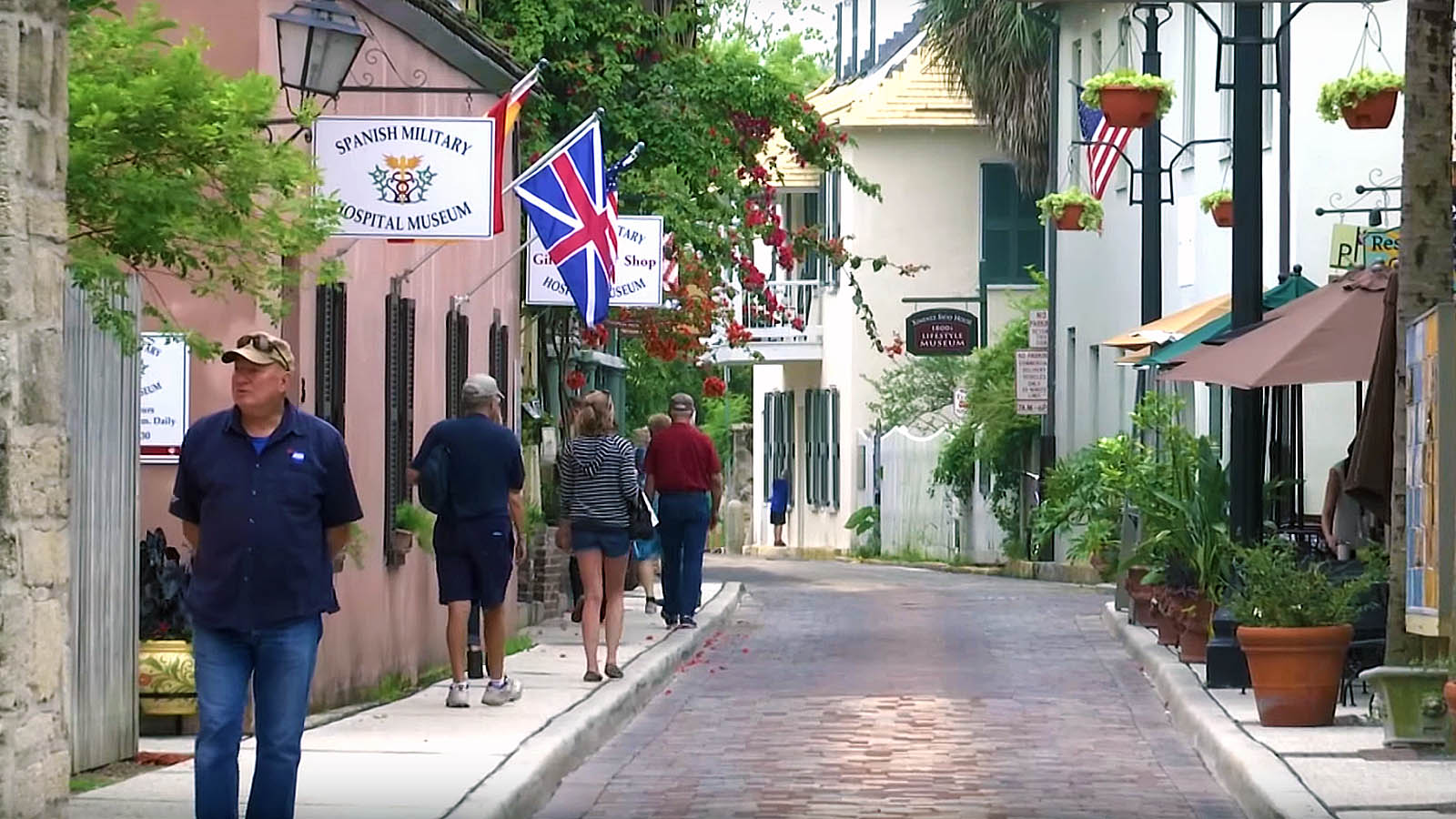
              • FFTV S:01 E:03—Exploring New Worlds, St. Augustine

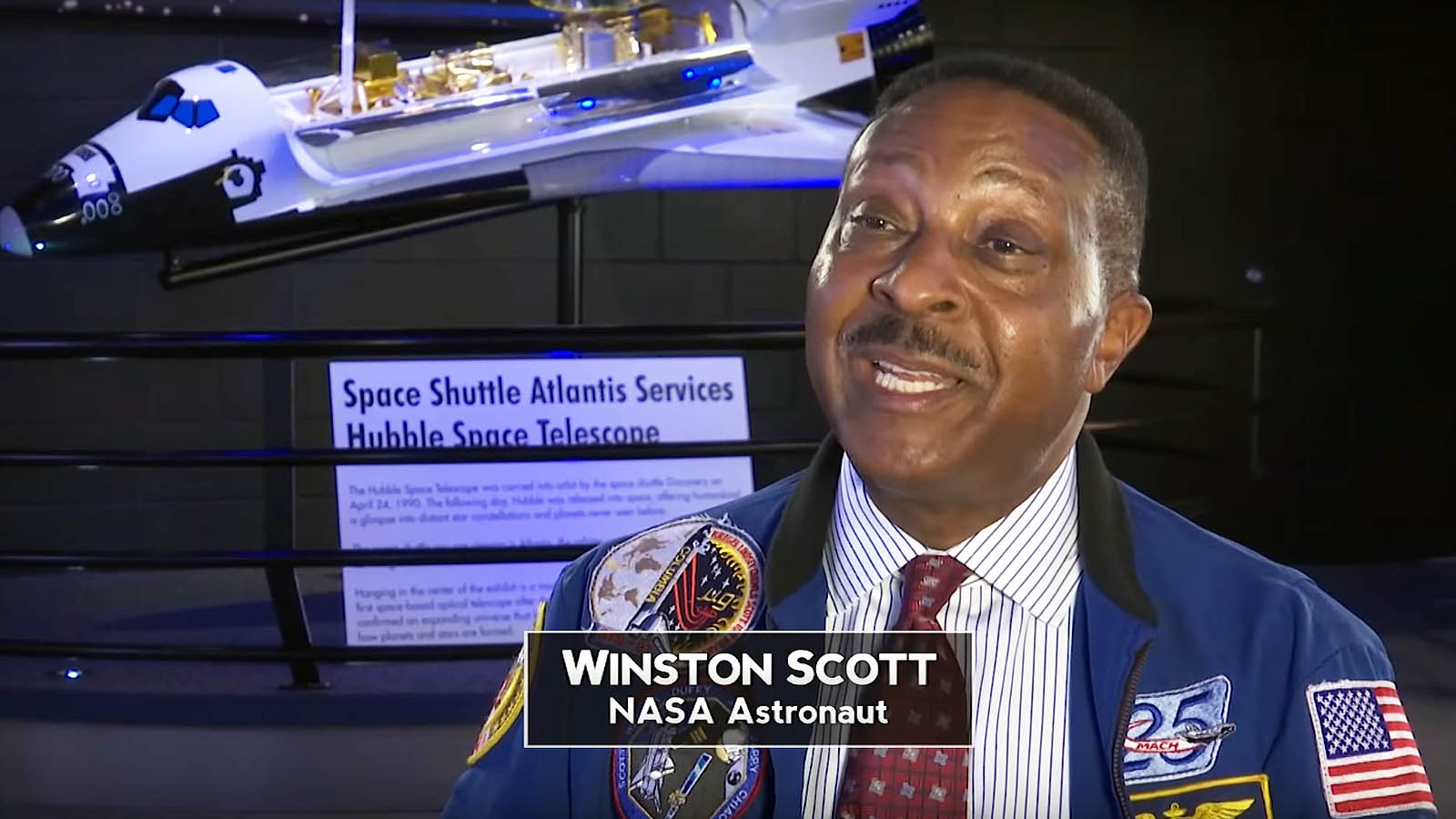
              • FFTV S:01 E:03—Exploring New Worlds, Astronaut - Winston Scott at Brevard Museum

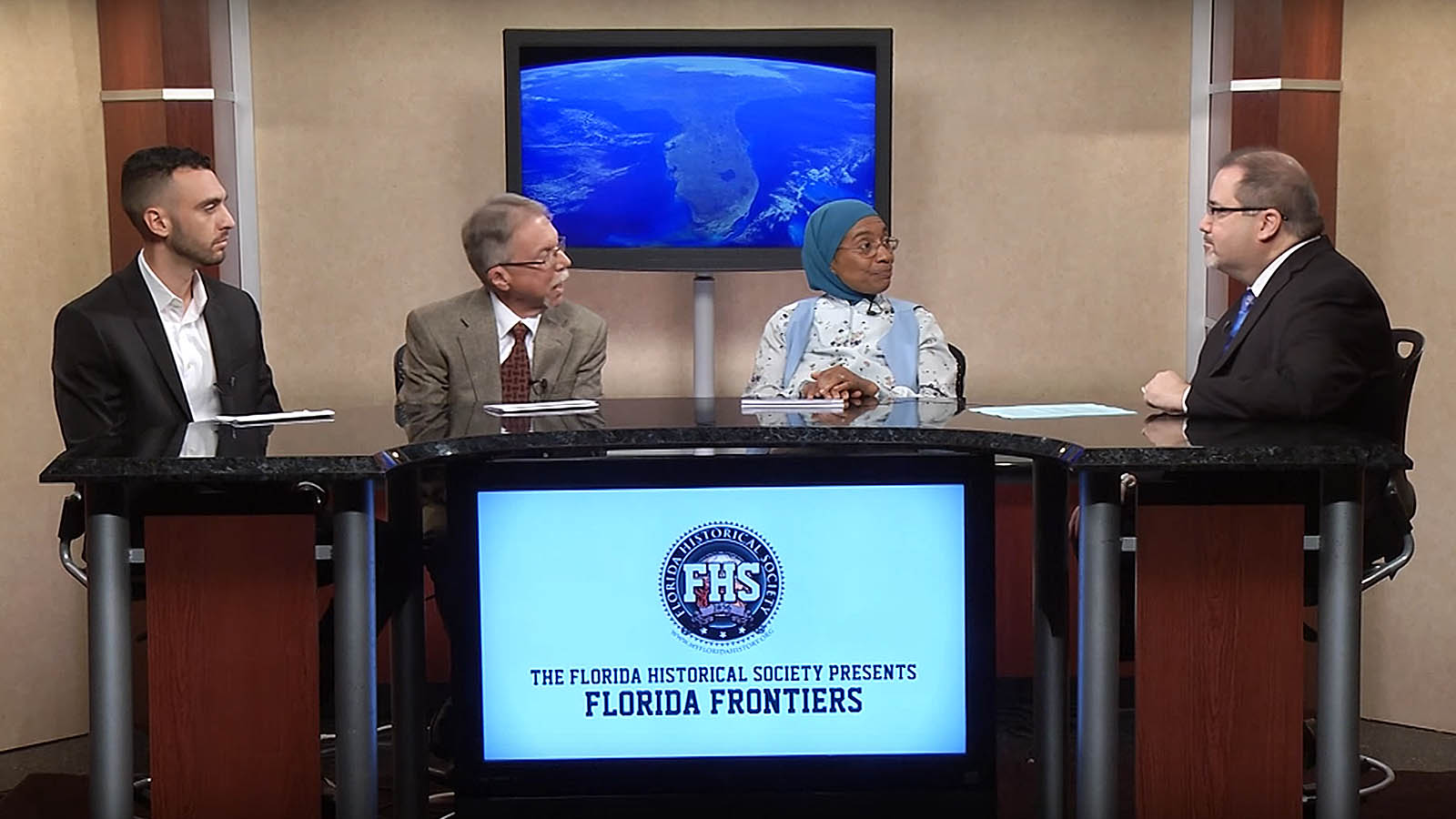
              • FFTV S:01 E:03—Exploring New Worlds, Panel Discussion


                From Spanish colonization to the manned exploration of space, Florida establishes the boundaries of the Modern Era.

                FHS thanks our Supporters

                Episode Number
                2
                Program Date
                • FFTV S:01 E:02—Everyday People Making History, Stetson Kennedy

                • FFTV S:01 E:02—Everyday People Making History, Barbara Vickers

                • FFTV S:01 E:02—Everyday People Making History, Discussion Panel


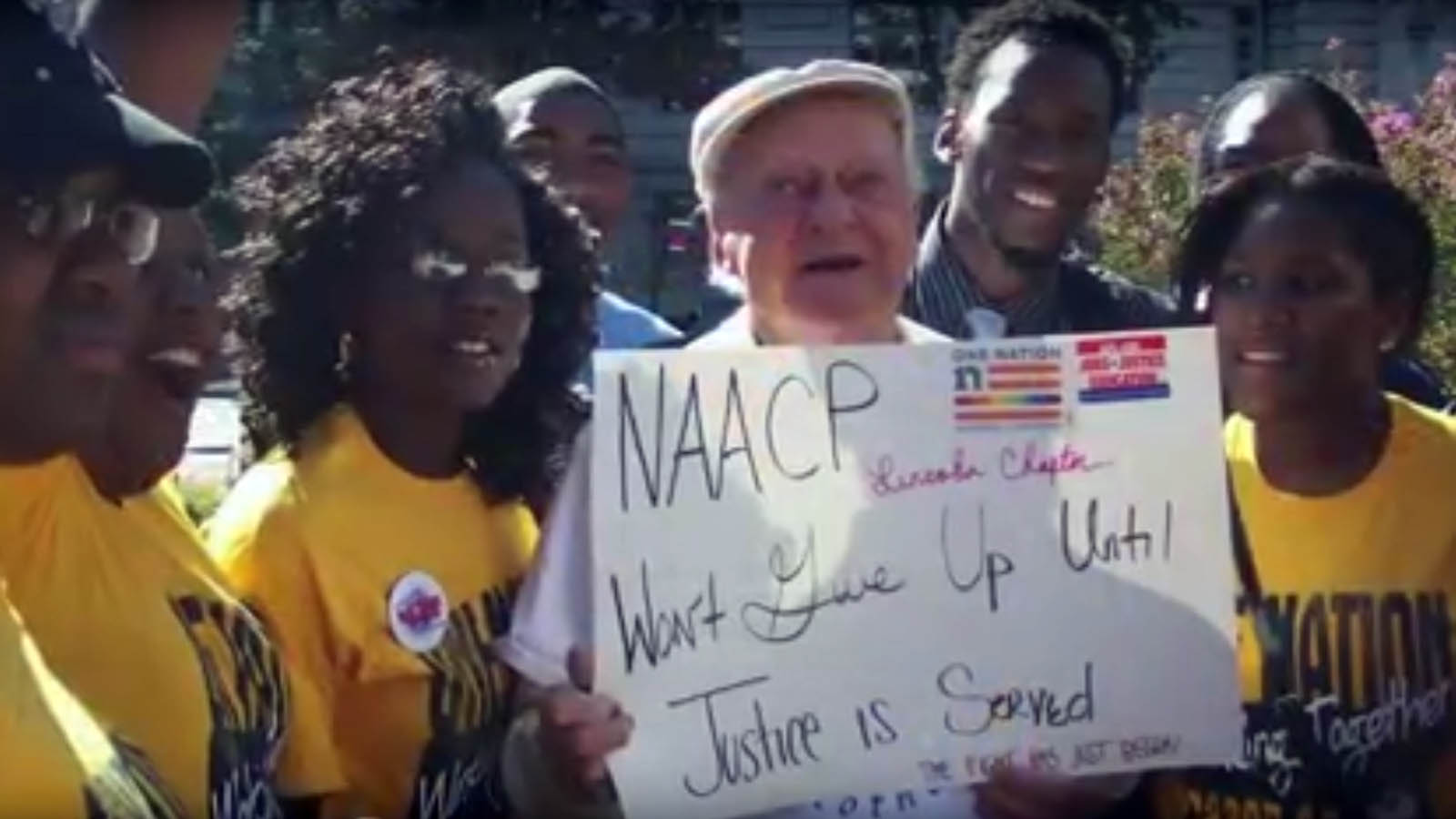
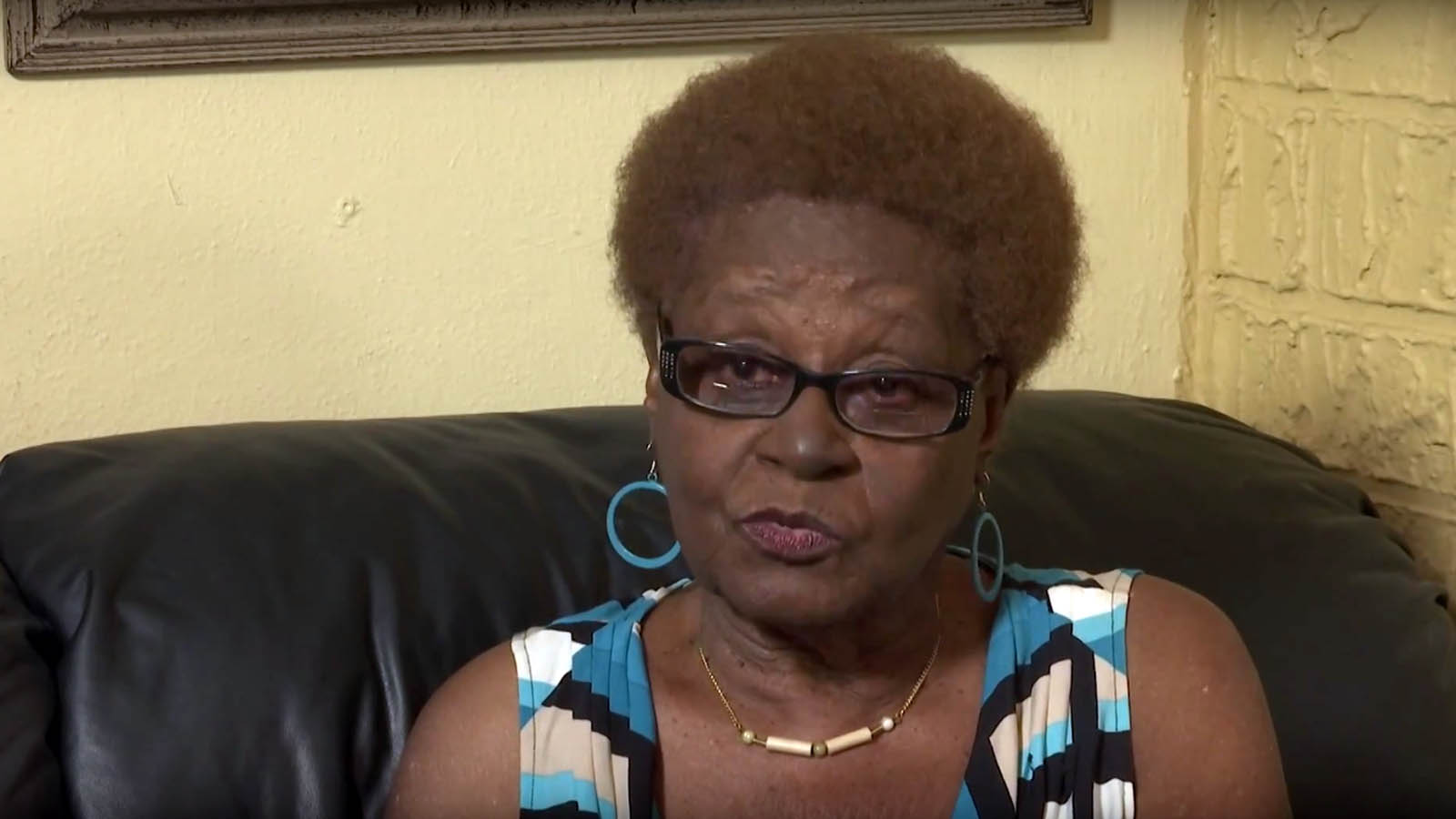
                  Everyday people make history happen including author Stetson Kennedy and Civil Rights activist Barbara Vickers.

                  FHS thanks our Supporters

                  Episode Number
                  1
                  Program Date
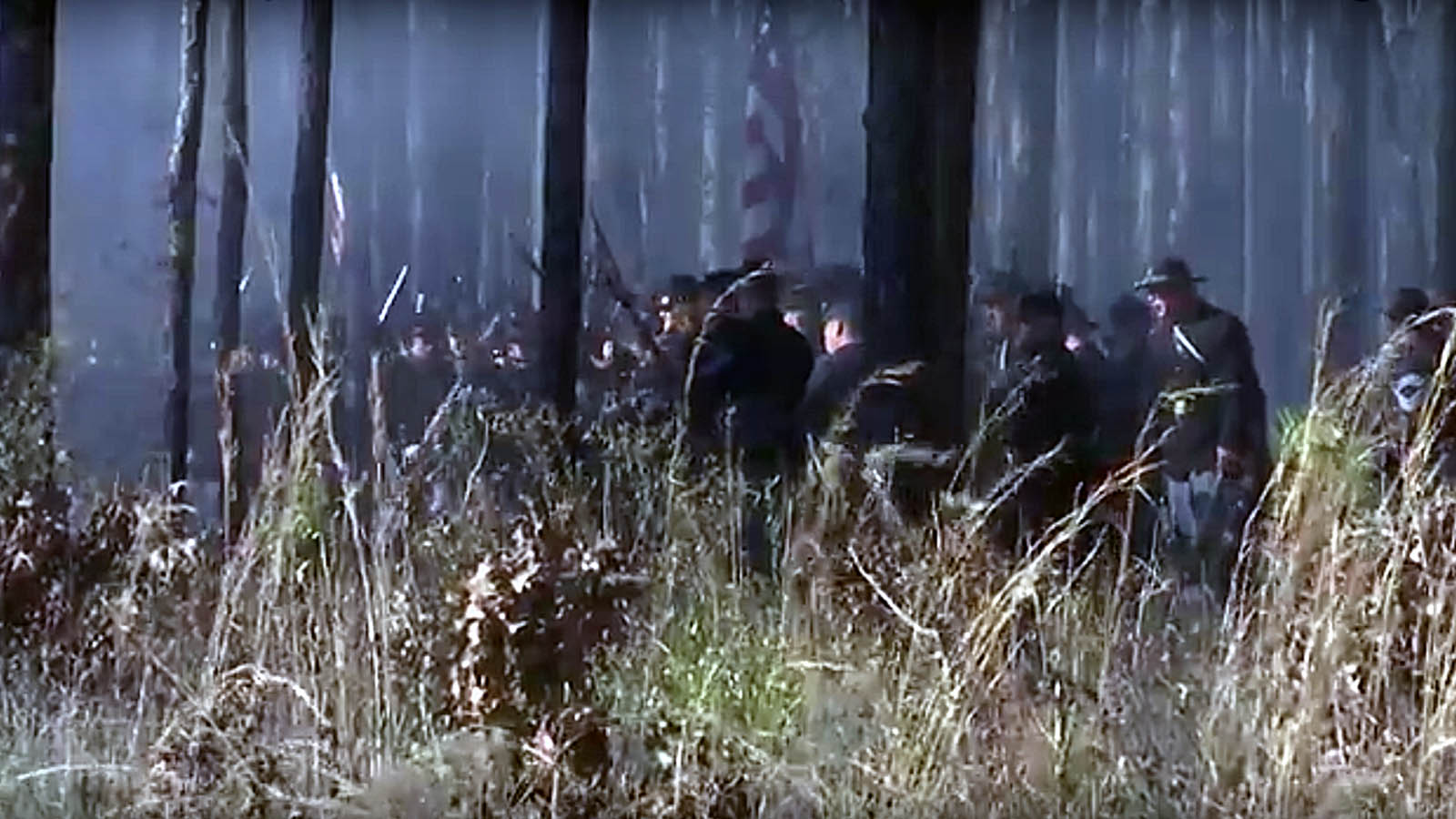
                  • FFTV S:01 E:01—The Civil War in Florida, Battle of Olustee

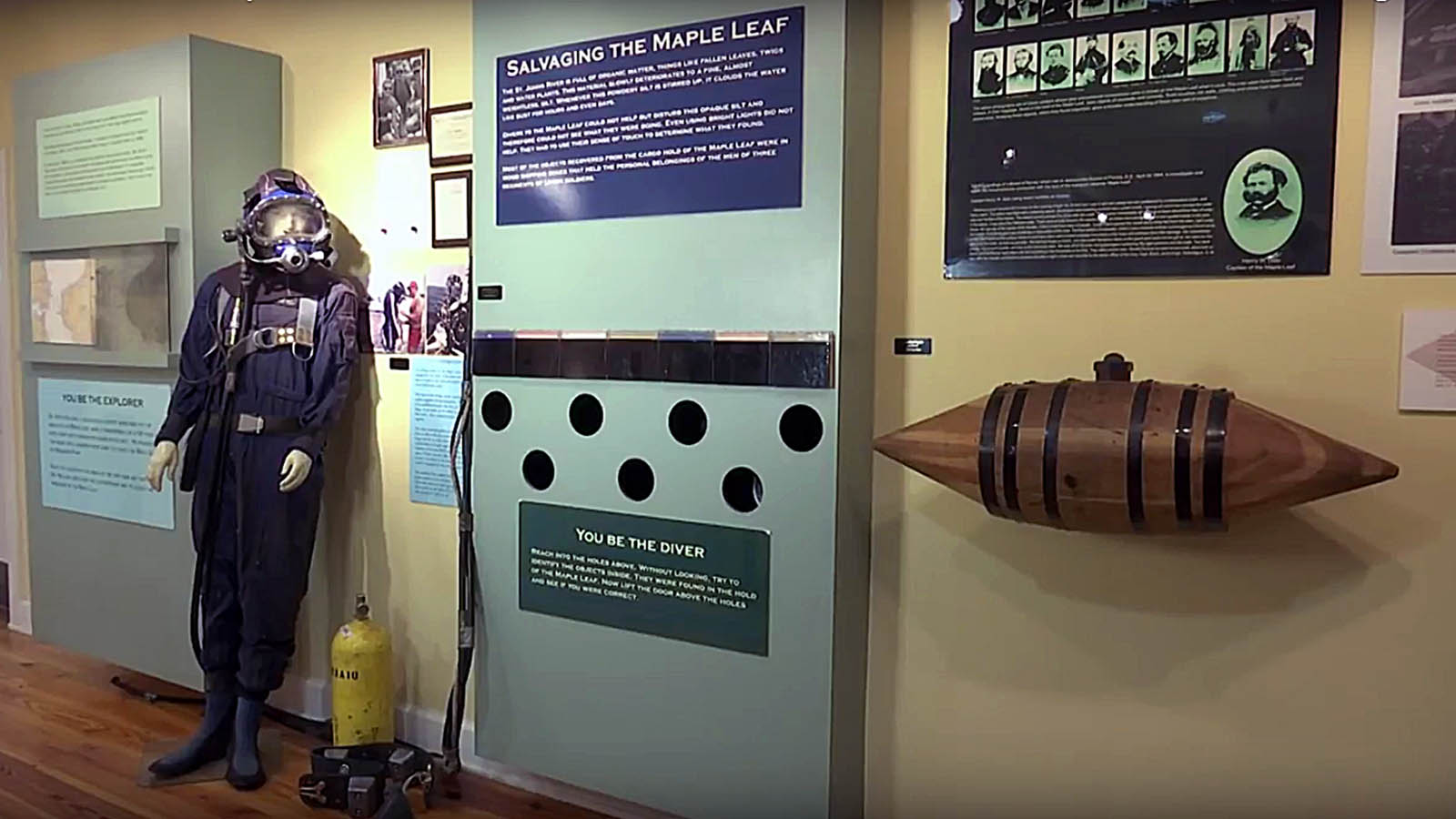
                  • FFTV S:01 E:01—The Civil War in Florida, Sinking of the Maple Tree

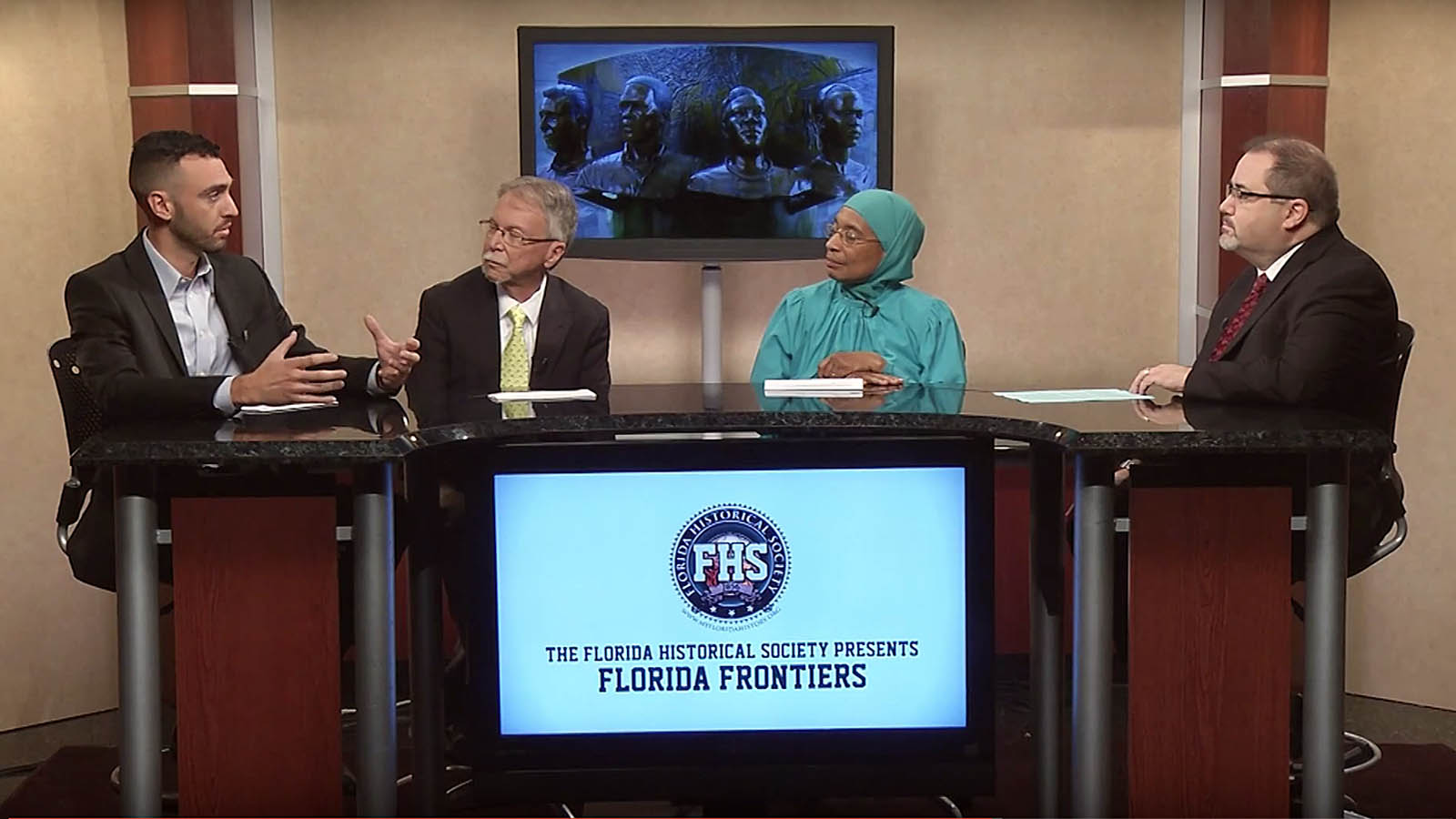
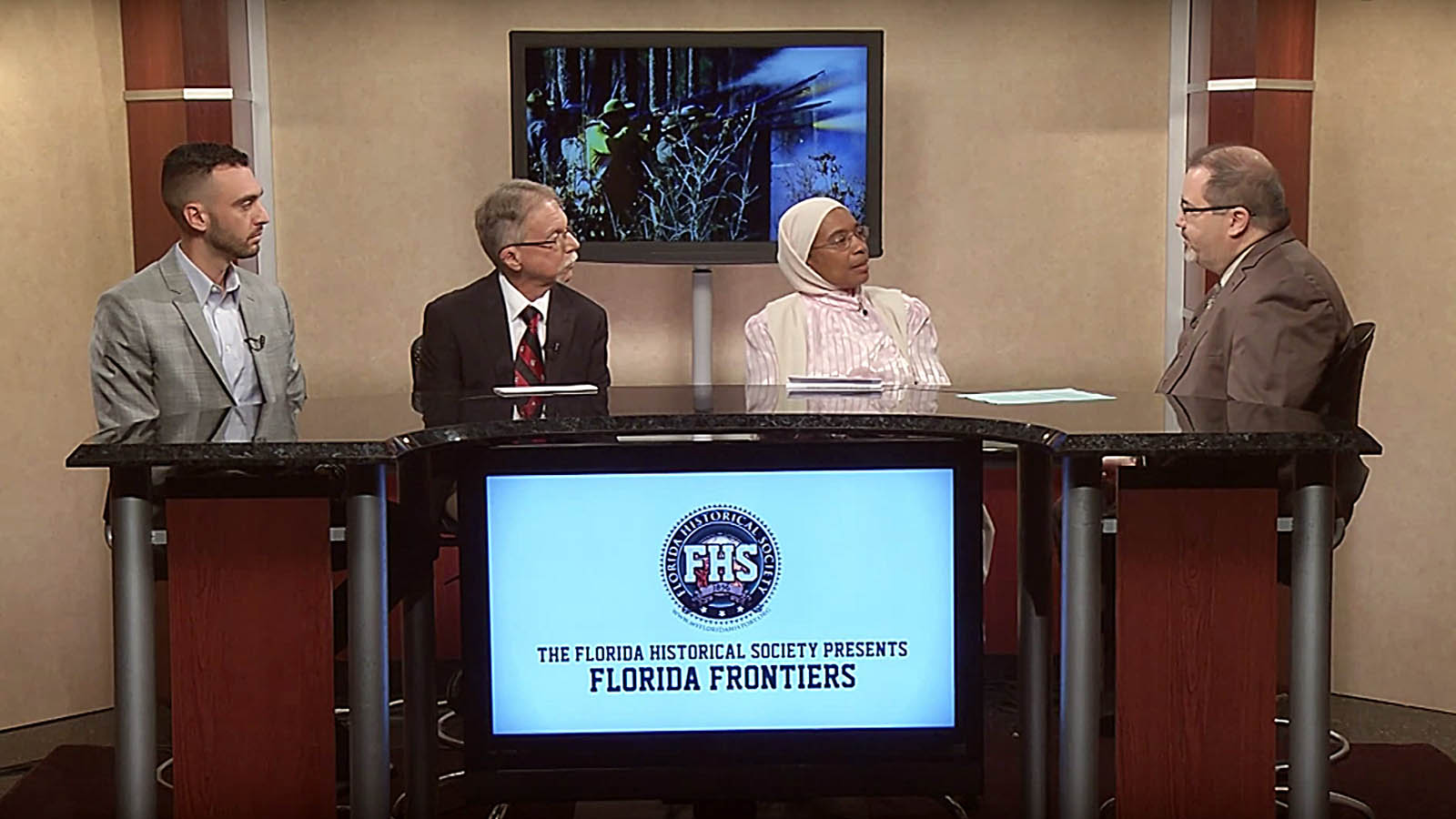
                  • FFTV S:01 E:01—The Civil War in Florida, Panel Discussion


                    Florida’s involvement in the Civil War includes the Battle of Olustee and the sinking of the Maple Leaf.

                    FHS thanks our Supporters

                    Article Number
                    198
                    relevantdate

                      Over the past few decades, the mid-twentieth century paintings by a group known as the Highwaymen have become some of the most popular artwork produced in Florida.

                      The new exhibit “Paintings of Nostalgic Florida: The Original Highwaymen Artists” is on display at the Brevard Museum of History and Natural Science April 6—28.

                      The opening reception on Friday April 6 at 6:00pm features wine, heavy hors d’oeuvres, and the opportunity to meet living Highwaymen artists. A presentation will be given by Gary Monroe, author of the book “The Highwaymen: Florida’s African American Landscape Artists.” Tickets are $25 per person ($20 for FHS Members) and are available at myfloridahistory.org.

                      The Highwaymen artists are a group of largely self-taught African American painters known for their colorful Florida landscapes. The first Highwaymen artist, Alfred Hair, was inspired by white landscape artist A.E. “Bean” Backus, who had a meticulous, detail oriented painting style. Hair also painted scenes of the natural Florida, but developed a rapid style of painting that allowed him to create beautiful works very quickly.

                      Hair shared his painting techniques with Harold Newton, who in turn, taught other African American artists.

                      Backus was able to sell his paintings in galleries, but in the racially segregated Florida of the 1950s and ‘60s, the Highwaymen had to develop creative marketing strategies.

                      “I was the salesman for the whole group,” says Al Black. “I would load all the paintings up in the car and take off in the mornings, and if they give me 50 paintings I would sell 50 paintings.”

                      Starting from Fort Pierce, Black would drive south to Key West and north to Alabama, making many stops in between. He would sell the Highwaymen art to banks, offices, and along the side of the road.

                      The Highwaymen artists produced many works of art for Black to sell, because the more they produced, the more they earned. Sometimes the paintings would still be wet when he loaded them into his car. Repairing damaged work was how Black eventually became a Highwaymen artist himself.

                      “I would be out on the road and I learned to paint by fixing all of the different artist’s paintings when I messed one up,” says Black.

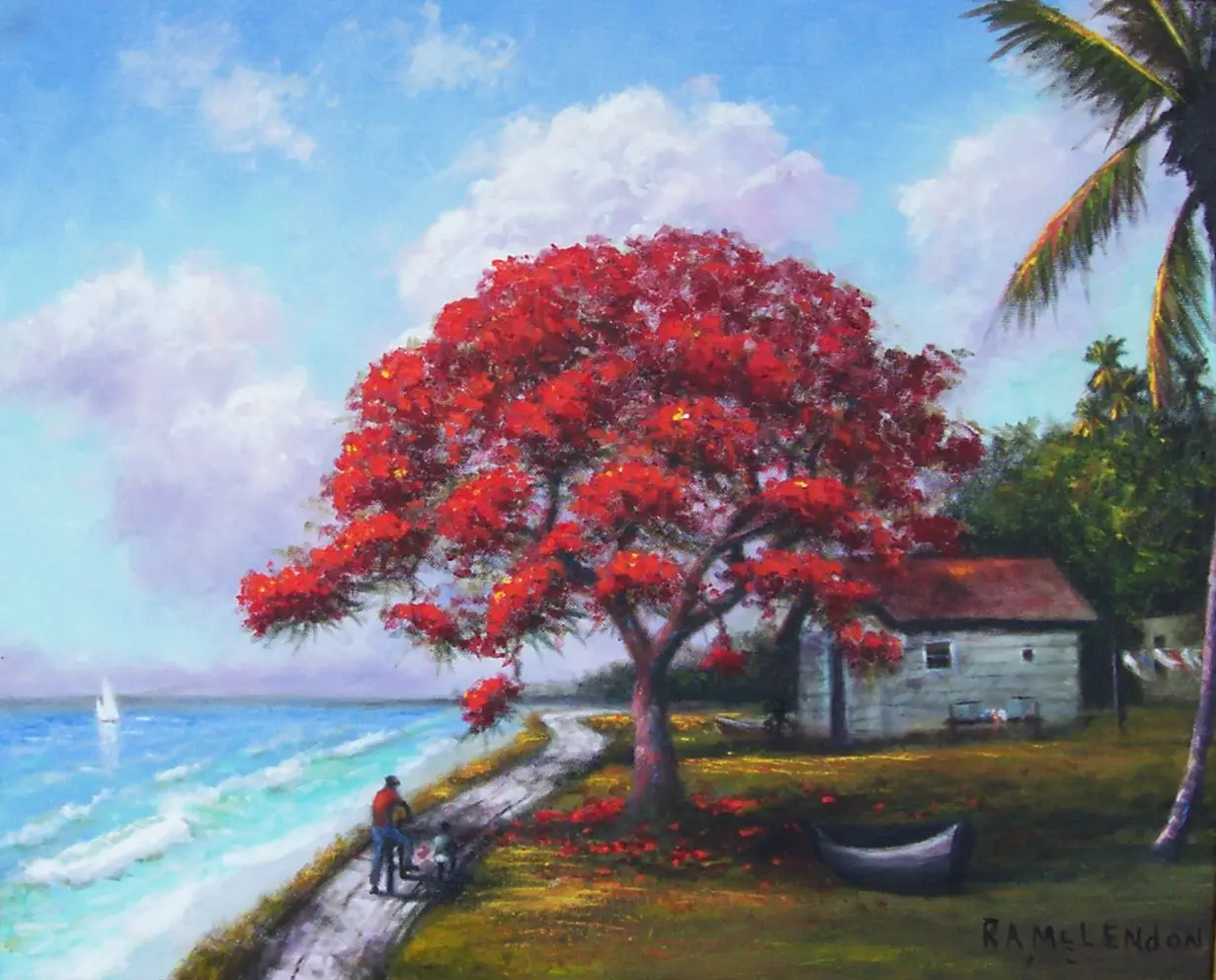
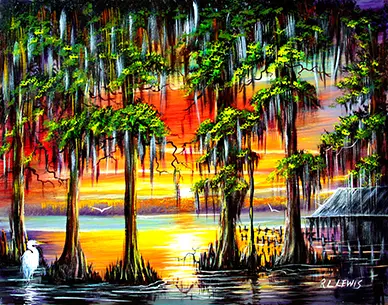
                      The Highwaymen artists are known for their idyllic depictions of the natural Florida prior to development and urban sprawl. Their paintings capture marshlands, river scenes, beaches, sunrises and sunsets, Spanish moss hanging from cypress trees, brightly colored Poinciana trees, and Florida’s indigenous wildlife.

                      Black says that the Highwaymen paintings preserve Florida history. “The way Florida used to look, it don’t look that way anymore. We all captured it on canvas.”

                      Mary Ann Carroll has the distinction of being the only female Highwaymen artist. “I never really thought about it as me being a woman and they being men,” Carroll says. “I just thought of us as artists making a living for ourselves.”

                      The Highwaymen artists never thought of themselves as an organized group, Carroll says. While each of the Highwaymen had the same goals and desires, they worked independently. “It’s like a bunch of people in an orange grove picking fruit,” says Carroll. “But everybody’s picking his own fruit. We were associated by our gift.”

                      The name “Highwaymen” was given to the painters by art dealer Jim Fitch in 1995, in an article he wrote for the magazine “Antiques and Art around Florida.” After Fitch coined the Highwaymen name, books about the artists soon followed. In 2001, Gary Monroe wrote “The Highwaymen: Florida’s African American Landscape Painters.”

                      In 2004, a group of 26 Highwaymen artists were inducted into the Florida Artists Hall of Fame.

                      Original Highwaymen artist Roy McLendon was surprised to see so many artists being recognized. “A lot of the people I didn’t even know,” McLendon says. He believes that the popularity of Highwaymen paintings led to imitation. “Pictures that would sell for $35 was selling for $3,500 and $4,500 for the same painting. Now everyone wanted to be a Highwaymen.”
                      The exhibition “Paintings of Nostalgic Florida: The Original Highwaymen Artists” will feature work by Isaac Knight, Robert L. Lewis, and Roy McLendon. Each Saturday in April, one of the artists will be giving a demonstration, included with regular museum admission.